

Hear from Our Customers
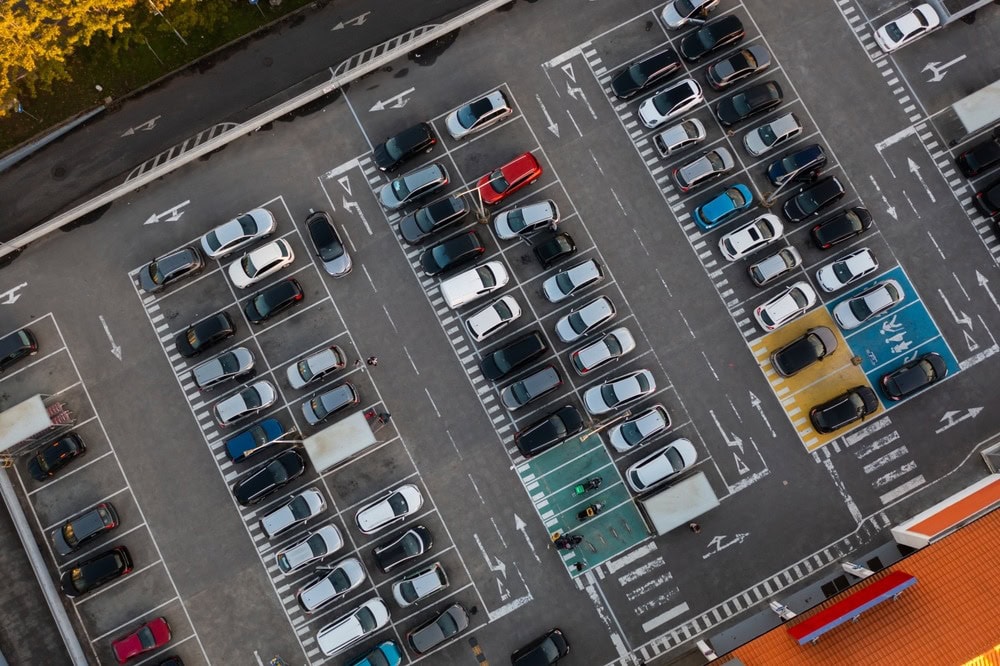
Your parking lot stops being a problem. No more worrying about liability from potholes or losing customers because your lot looks like a minefield. You get smooth pavement that drains properly, holds up to Wilson County’s freeze-thaw cycles, and doesn’t need patching every six months.
A well-built parking lot does more than look professional. It protects your investment. Quality asphalt with proper base preparation can last 20 to 30 years when it’s done right from the start. That means fewer disruptions, lower long-term costs, and one less thing on your plate.
You also get peace of mind. Clear striping improves traffic flow. Proper drainage prevents water damage. ADA-compliant spaces keep you on the right side of regulations. And when customers pull in and see a clean, well-maintained lot, they’re already thinking your business takes care of details.
TriStar Paving is a veteran-owned company based right here in Wilson County. We bring over 50 years of combined experience to every parking lot construction project in Watertown and the surrounding Nashville area. We know what Tennessee weather does to asphalt and how to build parking lots that hold up.
Local matters when you’re dealing with site-specific challenges like soil conditions and drainage. Watertown’s climate means freeze-thaw cycles that can tear apart poorly installed pavement. We understand these issues because we’ve been handling them for decades across Middle Tennessee.
Our focus stays on doing the job right. That means proper grading, solid base preparation, and quality materials. No shortcuts that come back to bite you in two years. Just straightforward work from people who’ve been in the paving business long enough to know what actually lasts.

It starts with a site evaluation. We check your soil conditions, drainage patterns, and any existing issues that need addressing. This isn’t just walking around with a clipboard. It’s identifying problems before they’re buried under asphalt.
Next comes site preparation. Old pavement gets removed if needed. The ground gets graded with a slight slope so water drains instead of pooling. Then comes the base layer—typically 8 to 12 inches of compacted gravel. This foundation is what keeps your parking lot from sinking or cracking prematurely. Skip this step or do it poorly, and you’ll be repaving in five years instead of twenty.
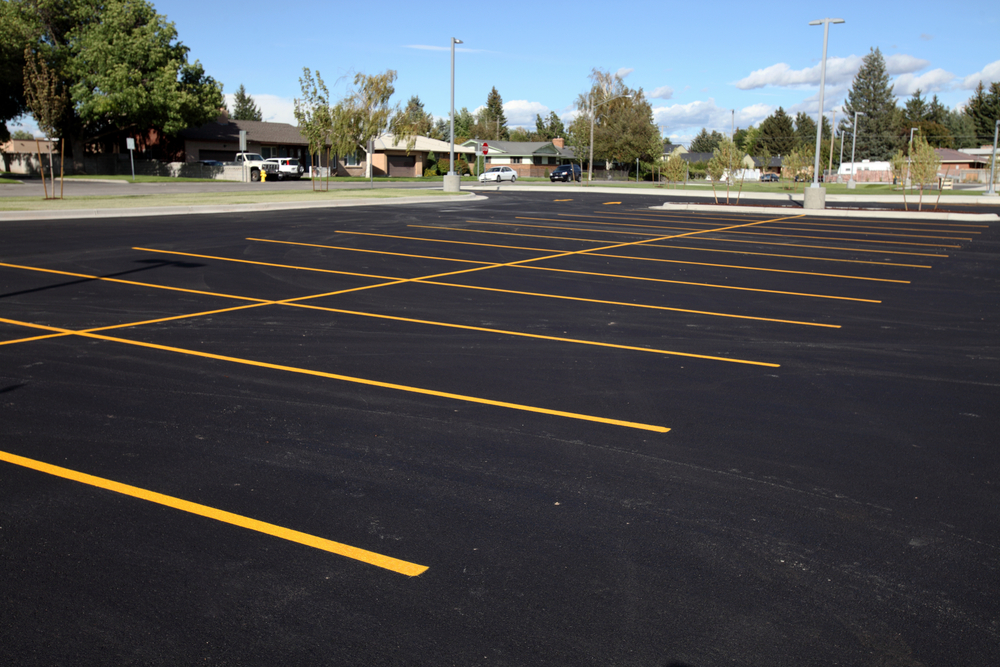
After the base is solid, the asphalt goes down in layers. First a binder course for strength, then a smooth top coat. Everything gets compacted properly and allowed to cure. The final step is striping—parking spaces, directional arrows, ADA-compliant spots, whatever your layout requires. Most projects wrap up in about a week, depending on size and site conditions.
Ready to get started?
Every commercial parking lot paving project in Watertown starts with a thorough assessment of your property’s specific needs. We evaluate drainage requirements, traffic patterns, and how the lot will be used. Commercial properties face different demands than residential applications, and our approach adjusts accordingly.
The service includes complete site preparation and grading. Proper drainage is critical in Wilson County where heavy rain can accelerate pavement deterioration. Water that pools on your lot doesn’t just look bad—it seeps into cracks, freezes, expands, and destroys your asphalt from underneath. Quality grading prevents this.
You also get guidance on maintenance that actually extends your parking lot’s lifespan. Sealcoating every few years protects against UV damage and water infiltration. Crack filling catches small problems before they become expensive ones. We provide realistic expectations about what maintenance looks like over the years so you can budget appropriately and avoid surprises.
Local Watertown commercial properties benefit from working with contractors who understand the area’s specific challenges. The town’s historic district and growing business community need parking solutions that balance functionality with aesthetics. Whether you’re paving a small lot for a local shop or a larger space for a medical facility, our approach stays focused on durability and professional results.

A properly installed asphalt parking lot in Tennessee typically lasts 20 to 30 years with regular maintenance. The lifespan depends heavily on three factors: installation quality, usage patterns, and how well you maintain it.
Installation quality matters most. If the base isn’t properly compacted or drainage isn’t addressed during construction, you’ll see problems within five years regardless of the asphalt quality. Tennessee’s climate is hard on pavement—freeze-thaw cycles and heavy rain accelerate deterioration when the foundation isn’t solid.
Maintenance extends that lifespan significantly. Sealcoating every two to four years protects against water damage and UV rays. Filling cracks when they’re small prevents them from spreading. Property owners who stay on top of basic maintenance often get 25 to 30 years from their parking lots. Those who ignore maintenance might need major repairs or replacement after 15 years. The difference between a 15-year lot and a 30-year lot usually comes down to a few hundred dollars spent annually on preventative care.
Resurfacing means adding a new layer of asphalt over your existing parking lot. It works when the base is still solid but the surface is worn, faded, or has minor cracking. You’re essentially giving the lot a facelift without tearing everything out. This costs significantly less—usually $1 to $3 per square foot—and can add 10 to 15 years of life.
Complete replacement involves removing the old asphalt, addressing any base issues, and building from the ground up. You need this when the base has failed, when you have extensive cracking across more than 25% of the surface, or when drainage problems are causing structural damage. Replacement costs more upfront but gives you another full 20 to 30 years of lifespan.
The decision comes down to the condition of your base and the extent of surface damage. If water has been pooling, if you have widespread alligator cracking, or if the lot is sinking in spots, resurfacing just covers up problems that will resurface quickly. A good contractor evaluates the base condition and gives you an honest assessment of whether resurfacing will actually solve your problems or just delay the inevitable. Sometimes spending more now saves you from doing the job twice.
Parking lot paving in Watertown typically runs between $3 and $7 per square foot for asphalt, depending on site conditions and project specifics. A standard 10,000 square foot lot—enough for about 30 to 40 vehicles—usually costs between $30,000 and $70,000.
Several factors affect where you land in that range. Site preparation is the biggest variable. If your property needs extensive grading, drainage work, or if you’re dealing with poor soil conditions, costs increase. A flat lot with good drainage and minimal prep work stays toward the lower end. Properties requiring significant excavation, new drainage systems, or dealing with accessibility challenges cost more.
Additional features like curbing, lighting, landscaping, or custom striping add to the base paving cost. ADA-compliant spaces require specific dimensions and placement. If you’re adding features beyond basic paving and striping, budget an extra 20% to 30%. The best approach is getting a detailed quote based on your specific property. Variables like lot size, current condition, and what you actually need make generic estimates less useful than a site-specific assessment from a local contractor who understands Wilson County conditions.
New asphalt needs very little maintenance for the first year. Let it cure fully—wait at least six months before applying any sealcoat. During this time, keep the surface clean and address any oil spills promptly since petroleum products break down asphalt.
After the first year, establish a maintenance routine. Sealcoating every two to four years is the most important preventative measure. It protects against water infiltration, UV damage, and chemical spills. In Tennessee, where temperature swings and precipitation are common, staying on the two-year schedule makes more sense than waiting four years.
Crack filling should happen annually or whenever you notice cracks forming. Small cracks are inexpensive to fill and take minutes. Ignore them and they spread, allowing water to reach the base layer where it causes real damage. After about 10 to 15 years, you might need resurfacing depending on traffic levels and how well you’ve maintained the surface. Regular sweeping to remove debris, prompt pothole repair, and keeping drainage clear round out the maintenance picture. None of this is complicated or expensive, but consistency matters. A few hundred dollars annually on maintenance beats a $50,000 replacement project.
Asphalt paving works best when temperatures are consistently above 50 degrees Fahrenheit, which makes spring through early fall the ideal window in Tennessee. Cold weather affects how asphalt compacts and cures. When temperatures drop, the asphalt cools too quickly and doesn’t compact properly, leading to a weaker surface that’s more prone to cracking and premature failure.
Winter paving is technically possible during warmer stretches, but it’s risky. Even if daytime temperatures reach the 50s or 60s, nighttime lows can interfere with proper curing. Most experienced contractors in the Watertown area avoid paving between late November and early March unless it’s an emergency repair situation.
If you need work done during colder months, focus on planning and scheduling for spring. Use winter for getting quotes, finalizing designs, and handling any permitting requirements. Emergency repairs like pothole patching can be done with cold-patch asphalt, but understand these are temporary fixes. For new construction or major resurfacing projects, waiting for appropriate weather ensures you get the full lifespan from your investment. Rushing a paving job in poor conditions usually means doing it twice.
Start by looking at the extent and type of damage. Minor cracking affecting less than 25% of the surface usually means repairs and resurfacing will work. If you’re seeing widespread alligator cracking—those interconnected cracks that look like reptile skin—across more than a quarter of your lot, replacement makes more financial sense than patching.
Drainage issues and base failure are red flags for replacement. If water pools in multiple areas, if sections of the lot are sinking or have become uneven, or if you’re seeing the same potholes return after repairs, your base layer has likely failed. No amount of surface work fixes a failed base. You’re just throwing money at a problem that will keep coming back.
Age factors in too. If your parking lot is approaching 20 years old and needs significant work, replacement often costs less in the long run than extensive repairs on aging pavement. A professional assessment gives you the clearest answer. Experienced contractors can evaluate base condition, drainage adequacy, and structural integrity to tell you whether repairs will actually last or if you’re better off starting fresh. The honest answer might not be what you want to hear, but it saves you from wasting money on repairs that won’t hold up.
Other Services we provide in Watertown