

Hear from Our Customers
Your driveway stops being a problem. No more cracks spreading across the surface every winter. No more standing water that freezes and makes things worse. No more worrying about whether your investment will hold up.
Professional asphalt paving means you’re working with materials built for Middle Tennessee’s temperature swings. Hot summers that bake everything. Cold snaps that freeze the ground. Asphalt flexes with those changes instead of fighting them. That flexibility is why you see fewer cracks compared to rigid materials that can’t handle the stress.
The surface stays smooth. Water drains where it should. Your property looks maintained instead of neglected. And when you sell someday, buyers see a driveway that doesn’t need immediate replacement.
We’ve been handling asphalt work in Wilson County for over 50 years. Tristar Paving LLC is veteran-owned, which means our approach to projects comes from a background that values precision and following through on commitments.
Watertown sits in an area where temperature extremes test pavement. We understand how local conditions affect asphalt. That knowledge shapes everything from material selection to installation timing. We serve both homeowners dealing with deteriorating driveways and businesses needing parking lots that can handle daily traffic without breaking down.

The process starts with looking at what you’re working with. If there’s an old driveway, we assess whether the base is still solid or if everything needs to come out. We measure the area and discuss what you’re trying to accomplish.
Site preparation comes next. This means grading the surface so water flows away from buildings instead of pooling. If drainage has been a problem, this is where it gets fixed. The base layer goes down and gets compacted. This foundation determines how well the asphalt performs long-term.
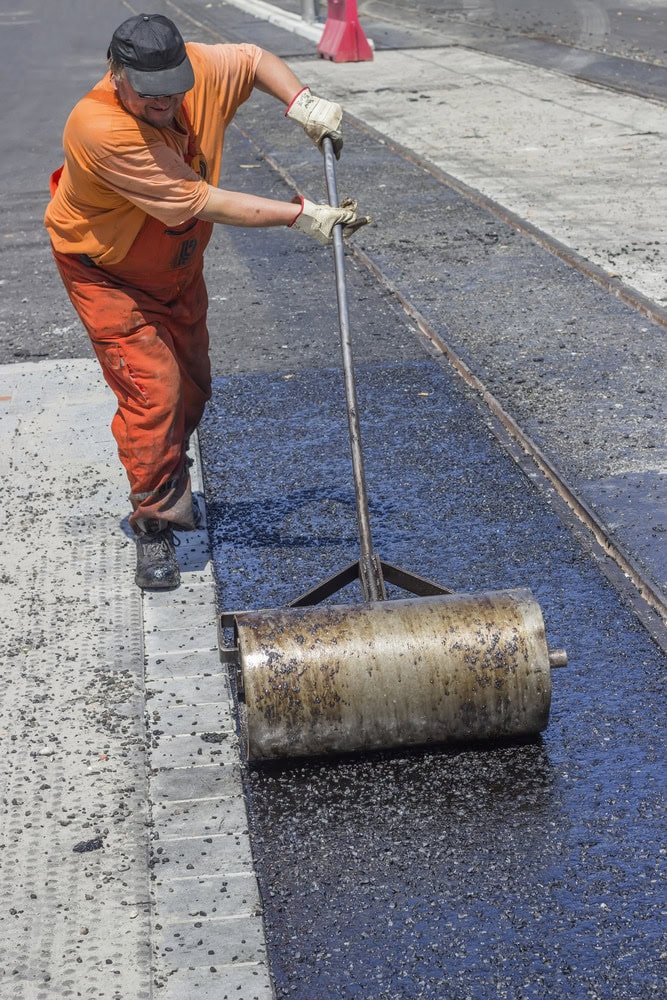
Then comes the asphalt itself. The material arrives hot and gets spread evenly across the prepared surface. Proper compaction is critical here. Too little and the surface won’t hold up. We use commercial equipment to achieve the right density. Most residential projects wrap up in one to two days depending on size. You’ll need to stay off the new surface for 24 to 48 hours while it cures, but after that, it’s ready for regular use.

Ready to get started?
You’re getting more than just asphalt dumped on your property. The work includes proper site evaluation so drainage problems don’t come back to haunt you. It includes base preparation that gives the asphalt something solid to sit on. And it includes installation by people who’ve done this hundreds of times.
Watertown properties deal with specific challenges. The area’s soil composition affects how bases need to be prepared. Seasonal weather patterns dictate installation timing. We’ve worked in Wilson County for decades and know these factors without needing to learn on your project.
The service also covers different project types. Residential driveways that need to look good and handle family vehicles. Commercial parking lots that take constant traffic and need to last years between major work. Tar and chip installations for longer rural driveways where traditional asphalt might not make financial sense. Each approach uses different materials and techniques suited to how the surface will actually be used.

With proper maintenance, you’re looking at 20 to 30 years. That’s not a guarantee that ignores reality. It’s what happens when the installation is done right and you stay on top of basic upkeep.
Tennessee weather tests pavement. Summer heat softens asphalt. Winter cold makes it contract. Spring rain finds every weak spot. The driveways that make it to 30 years are the ones installed with adequate thickness, proper base preparation, and regular sealcoating every few years. The ones that fail early usually have problems you can trace back to shortcuts during installation or complete neglect of maintenance.
Asphalt paving gives you a smooth, uniform surface. Tar and chip creates a textured finish that costs less per square foot. Both are legitimate options depending on what you need.
Traditional asphalt uses a mix of aggregate and binder that gets compacted into a dense, smooth surface. It’s what you see on most driveways and parking lots. Tar and chip applies a layer of liquid asphalt followed by loose stone chips that get pressed into the surface. The result looks more rustic and provides excellent traction, which makes it popular for rural driveways and roads where appearance isn’t the primary concern. It costs less because the process is simpler, but it doesn’t hold up to heavy traffic as well as traditional asphalt. For a long residential driveway where you want to control costs, tar and chip makes sense. For a business parking lot or high-visibility property, traditional asphalt is usually the better choice.
For residential driveways in the Watertown area, expect somewhere between $4 and $6 per square foot for standard 3 to 4-inch thick asphalt. That includes tearing out old material if needed. Commercial projects and specialized work will run higher.
The actual number depends on what your project involves. A simple overlay on an existing driveway in good condition costs less than complete removal and replacement. If the site needs extensive grading or drainage work, that adds to the total. Thicker asphalt for heavy vehicles costs more than standard residential thickness. The only way to get an accurate number is to have someone look at your specific situation. Anyone giving you a firm price over the phone without seeing the property is guessing.
Yes, if you want it to last. Sealcoating protects asphalt from water infiltration, UV damage, and chemical spills. Skip it and you’ll be replacing your driveway years earlier than necessary.
The first sealcoat should happen about six months after installation, once the asphalt has fully cured. After that, plan on resealing every two to three years. The exact timing depends on how much sun exposure your driveway gets and how much traffic it sees. You’ll know it’s time when the surface starts looking faded and gray instead of deep black. Sealcoating isn’t expensive compared to the cost of replacing failed asphalt. It’s basic maintenance that extends the life of your investment by preventing small problems from becoming structural failures.
It’s possible but not ideal. Asphalt needs warm temperatures to properly compact and cure. Most contractors avoid installation when temperatures drop below 50 degrees because the material cools too quickly to achieve proper density.
Cold asphalt doesn’t compact well. It stiffens before the rollers can do their job, which means you end up with a less durable surface. Spring, summer, and early fall are the best windows for asphalt work in Tennessee. If you’re facing an emergency repair during winter, cold-mix asphalt can provide a temporary fix, but understand it won’t perform like hot-mix asphalt installed under proper conditions. Plan major paving projects for warmer months and you’ll get better results.
Water is the main culprit. It seeps into small cracks, freezes, expands, and makes those cracks bigger. Poor drainage accelerates the process. Inadequate base preparation means the asphalt doesn’t have solid support. Heavy loads on thin asphalt cause stress cracks.
Tennessee’s freeze-thaw cycles are particularly hard on pavement. Water that gets under the asphalt freezes and heaves the surface. When it thaws, voids are left behind. The asphalt settles into those voids and cracks. This is why proper installation matters so much. A well-prepared base with good drainage prevents water from getting under the asphalt in the first place. Adequate thickness distributes weight so heavy vehicles don’t stress the surface beyond its capacity. And regular sealcoating keeps surface cracks from becoming pathways for water infiltration. Most cracking problems trace back to shortcuts during installation or neglecting basic maintenance.
Other Services we provide in Watertown