

Hear from Our Customers
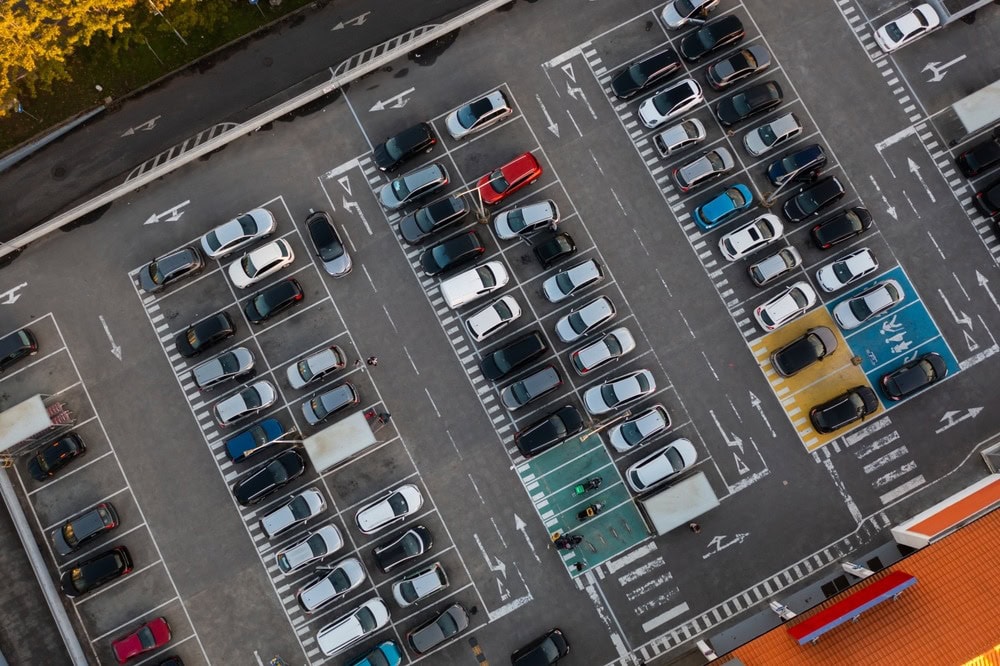
You’re not just paying for black asphalt. You’re paying for a surface that drains properly, holds up to traffic, and doesn’t turn into a liability nightmare.
When the grading is right and the base is solid, water goes where it should. That means no standing pools eating away at your pavement. No premature cracking. No emergency calls three winters from now because half your lot is falling apart.
Your parking lot is the first thing customers see. Smooth, clean asphalt with crisp striping tells them you run a professional operation. Cracked, faded pavement with potholes says the opposite. The difference isn’t cosmetic—it’s about the impression you make before anyone walks through your door.
Proper parking lot paving also keeps you compliant. ADA requirements aren’t optional, and getting them wrong opens you up to fines or worse. We handle accessibility standards from the start, so you’re not scrambling to fix it later.
Tristar Paving LLC is a veteran-owned asphalt company based right here in Wilson County. We bring over 50 years of combined experience to every parking lot, from small professional offices to large retail centers across the Nashville area.
Being local matters. We understand how Middle Tennessee weather affects pavement—the freeze-thaw cycles that crack inferior work, the summer heat that tests poorly mixed asphalt, the heavy rains that expose bad drainage. We’ve seen what fails and what lasts.
We handle both residential driveways and commercial parking lots, which means we’ve worked on everything from tight urban spaces to sprawling industrial sites. That versatility comes from actually doing the work, not just talking about it.

First, the existing surface gets evaluated. If you’re replacing old asphalt, we remove what’s damaged and inspect the base underneath. If the foundation is compromised, it gets rebuilt. Skipping this step is how you end up with a new-looking lot that fails in two years.
Next comes grading. The surface needs proper slope so water moves off the pavement and into drainage areas. Even a small grading mistake means standing water, and standing water means deterioration. This is where experience separates contractors who know what they’re doing from ones who just lay asphalt and hope.
Once the base is compacted and graded correctly, the asphalt goes down. Thickness matters—commercial lots handling regular traffic need more than a thin overlay. The material gets laid hot, compacted properly, and left to cure. You’ll typically need to keep vehicles off for about 24 hours.
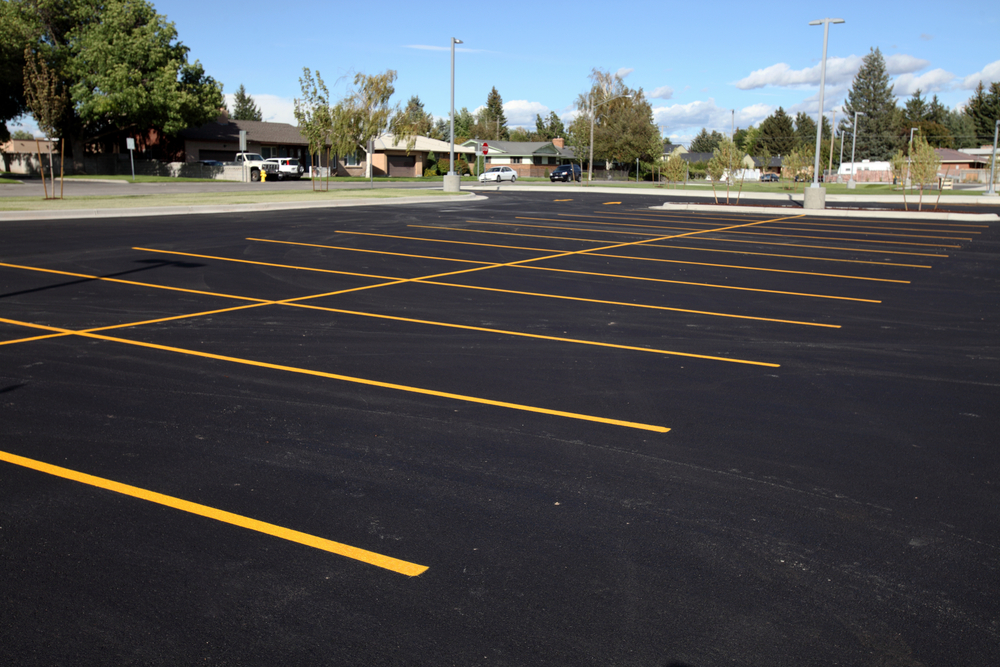
After the asphalt cures, striping happens. Parking spaces, fire lanes, handicap zones, directional arrows—all marked clearly and in compliance with ADA standards. If you need wheel stops, signage, or specific traffic flow design, that gets handled too.
The goal is a parking lot you don’t have to think about for years. Proper execution up front saves you from constant patching, resurfacing, or full replacement down the road.
Ready to get started?
Every parking lot paving job covers site evaluation, base preparation, grading for drainage, asphalt installation, compaction, and professional striping. If your property needs ADA-compliant accessibility features, those get incorporated into the design and layout.
For properties in Lascassas and the surrounding Wilson County area, drainage is critical. The region sees significant rainfall, and without proper slope and runoff management, your parking lot will deteriorate fast. We design grading that directs water away from the pavement and toward appropriate drainage points.
Parking lot restoration is also available for surfaces that aren’t completely shot but need help. Resurfacing with an asphalt overlay can extend the life of a lot that has good bones but a worn surface. Crack sealing, patching, and sealcoating are options for maintenance between major projects.
Commercial properties often need coordination around business hours. We work with you to minimize disruption—whether that means phased construction, weekend work, or scheduling around your peak times. You shouldn’t have to shut down operations completely just to fix your parking lot.
Striping and marking aren’t afterthoughts. Clear, visible lines improve traffic flow and safety. Handicap spaces need specific dimensions and signage to meet ADA requirements. Fire lanes, loading zones, and directional markings all get planned into the layout so your lot functions the way it should.

A properly installed asphalt parking lot in Tennessee typically lasts 15 to 20 years with routine maintenance. The lifespan depends heavily on the quality of the base preparation, the thickness of the asphalt, and how well the surface is maintained over time.
Tennessee’s climate is tough on pavement. Freeze-thaw cycles cause expansion and contraction that can crack asphalt if the base isn’t solid. Summer heat softens the surface, and heavy traffic during hot weather can cause rutting if the mix isn’t right. Proper installation accounts for these factors.
Maintenance extends life significantly. Sealcoating every few years protects against UV damage and water infiltration. Crack sealing prevents small issues from becoming big ones. Ignoring maintenance can cut the lifespan in half. A lot that’s built right and maintained properly will outlast one that’s installed cheap and neglected.
Poor drainage is the number one killer of parking lots. When water pools on the surface or seeps into the base, it weakens the foundation and accelerates cracking. Proper grading during installation is the only way to prevent this, and it’s where inexperienced contractors cut corners.
Inadequate base preparation is the second major cause. If the subgrade isn’t compacted correctly or the base material is insufficient, the asphalt above will crack and settle unevenly. You can’t fix a bad foundation with a good surface—it’ll fail regardless of how nice the asphalt looks initially.
Thin asphalt is another common problem. Commercial lots need adequate thickness to handle traffic loads. Skimping on material might save money upfront, but it guarantees premature failure. The asphalt will crack, rut, and deteriorate much faster than a properly thick installation. Using quality materials and proper thickness from the start costs less than replacing a failed lot in five years.
Most parking lot projects can be phased to keep part of your lot accessible during construction. We typically work in sections, completing one area before moving to the next. This approach lets you maintain some parking and customer access throughout the project.
The timeline depends on the size and complexity of your lot. A small office parking area might take two to three days from demolition to striping. Larger commercial lots can take one to two weeks, especially if significant base work is needed. Weather can affect the schedule since asphalt can’t be laid in rain or extreme cold.
You’ll need to keep vehicles off freshly paved asphalt for about 24 hours while it cures. After that, the surface is ready for traffic, though it continues to harden over the following weeks. We’ll give you a clear timeline upfront and communicate any changes as the project progresses. Good planning and coordination minimize the impact on your business operations.
If your parking lot has isolated cracks and minor surface wear but the base is still solid, repairs and resurfacing can extend its life for several more years. An asphalt overlay adds a new layer on top of the existing surface, giving you a fresh appearance and renewed durability without the cost of full replacement.
However, if you’re seeing widespread alligator cracking, significant potholes, or areas where the base has failed and the pavement is sinking, replacement is usually the better investment. Trying to patch or overlay a lot with structural problems just delays the inevitable and wastes money on temporary fixes.
We can evaluate your lot and give you an honest assessment. Sometimes the right answer is a combination—replacing the worst sections and resurfacing the rest. The key is addressing base and drainage issues if they exist. No amount of surface work will fix a fundamentally flawed foundation. Getting an evaluation before you commit to a solution ensures you’re spending money on the right fix.
ADA compliance requires specific dimensions and features for accessible parking spaces. Standard accessible spaces must be at least 96 inches wide with a 60-inch access aisle. Van-accessible spaces need a 96-inch access aisle. The spaces must be on the shortest accessible route to the building entrance and clearly marked with proper signage.
The number of accessible spaces required depends on your total parking count. Lots with 1 to 25 spaces need one accessible space. Lots with 26 to 50 spaces need two, and the requirements scale up from there. At least one space must be van-accessible. The striping must be clearly visible and maintained over time.
Beyond parking spaces, ADA compliance includes accessible routes from the lot to the building, proper curb ramps with detectable warnings, and appropriate cross-slope and running slope on walkways. Non-compliance can result in fines and lawsuits, so it’s critical to get it right during installation rather than trying to retrofit later. We know these requirements and incorporate them into your parking lot design from the beginning.
Look for a contractor with verifiable local experience and completed projects you can see. A company that’s been operating in your area for years has a reputation to protect and a track record you can check. Ask for references from commercial clients with similar properties to yours.
Make sure they handle the entire process in-house—grading, base prep, asphalt installation, and striping. Contractors who subcontract everything out create coordination problems and accountability gaps. You want a crew that owns the whole project from start to finish.
Get a detailed written estimate that breaks down materials, labor, timeline, and exactly what’s included. Be wary of quotes that are significantly lower than others—they’re usually cutting corners somewhere, whether it’s base preparation, asphalt thickness, or material quality. The cheapest bid often becomes the most expensive when you’re redoing the work in a few years. A reliable contractor will explain what they’re doing, why it matters, and give you a fair price for quality work that lasts.
Other Services we provide in Lascassas