

Hear from Our Customers
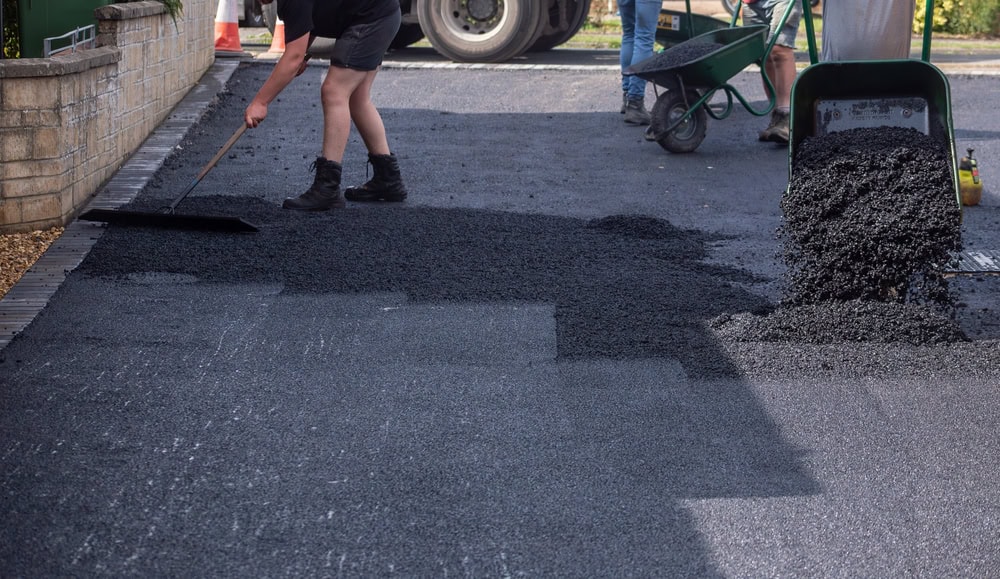
Your driveway becomes the kind of entrance that makes neighbors stop and look. No more embarrassing cracks or crumbling edges that make your home look neglected.
You get smooth, even surfaces that handle Tennessee weather without falling apart in two years. Your property value goes up, your curb appeal improves, and you stop worrying about expensive repairs every season.
The difference is in the details—proper grading, quality materials, and installation techniques that actually work in Middle Tennessee’s clay soil and temperature swings.
Tristar Paving LLC is veteran-owned and Wilson County-based, serving Lascassas and the greater Nashville area for decades. We understand Middle Tennessee’s unique challenges—the clay soil that shifts, the freeze-thaw cycles, the summer heat that tests inferior asphalt.
This isn’t a fly-by-night operation. We’ve built our reputation one driveway at a time, focusing on residential and commercial projects that stand the test of time.
When you work with Tristar Paving, you’re working with contractors who live in your community and stake our reputation on every job we complete.
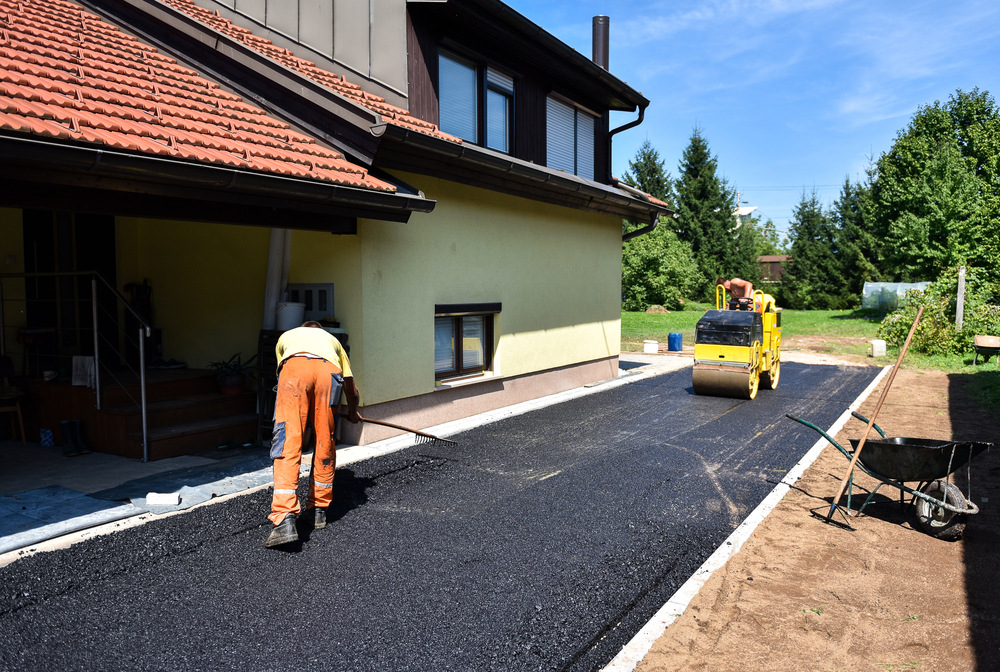
The process starts with proper site preparation and grading—the foundation that determines whether your driveway lasts five years or fifty. We evaluate drainage, soil conditions, and existing surfaces to create a plan that works.
Next comes base preparation and compaction using professional-grade equipment. No shortcuts here—the base layer determines everything about your driveway’s longevity and performance.
Finally, quality asphalt application with proper thickness and finishing techniques. We use materials designed for Middle Tennessee conditions and apply them according to industry standards, not whatever’s fastest or cheapest.
Ready to get started?
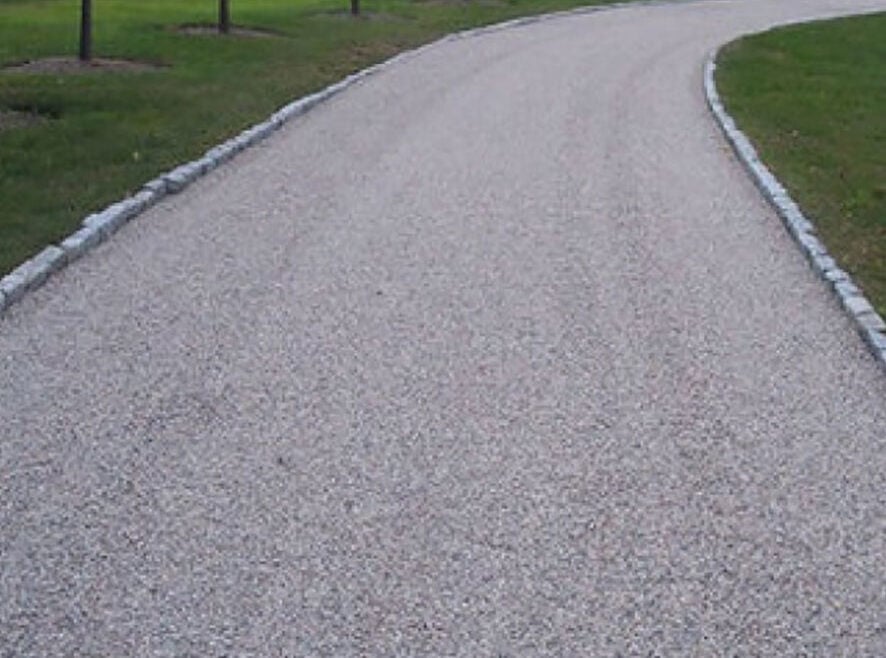
We handle everything from new driveway construction to complete restoration of existing surfaces. Our services include asphalt paving, driveway grading, proper drainage solutions, and tar & chip installations for customers wanting alternatives to traditional asphalt.
In Wilson County’s challenging conditions—where clay soil expands and contracts with moisture changes—proper preparation makes all the difference. We account for local factors like drainage patterns, soil composition, and typical traffic loads.
Whether you need a residential driveway that enhances your home’s appearance or commercial paving that handles heavy traffic, we bring the expertise to get it right the first time.
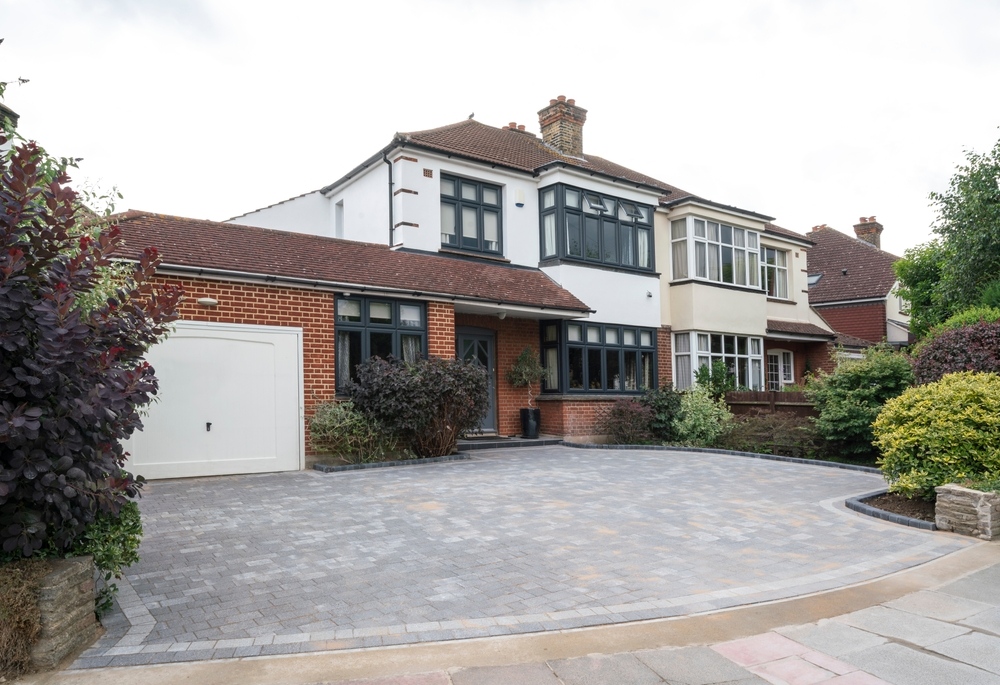
A professionally installed asphalt driveway in Tennessee typically lasts 15-20 years with proper maintenance, though many last significantly longer. The key factors are proper base preparation, quality materials, and installation techniques that account for local conditions.
In Middle Tennessee, clay soil and temperature fluctuations create unique challenges. Driveways installed without proper grading and base preparation often fail within 5-7 years, developing cracks, potholes, and drainage issues.
Quality installation with appropriate base materials and proper compaction extends lifespan dramatically. Regular sealcoating every 3-5 years and prompt crack repair help maximize your investment and keep your driveway looking professional for decades.
The difference lies in preparation, materials, and installation techniques. Cheap paving often skips crucial steps like proper grading, adequate base thickness, and soil compaction—leading to premature failure.
Quality paving starts with thorough site evaluation and proper base preparation. This includes excavating to appropriate depth, installing and compacting base materials, and ensuring proper drainage. These steps take time and cost more upfront but prevent expensive problems later.
Material quality matters too. Professional contractors use asphalt designed for local climate conditions and traffic loads, applied at proper thickness. Cheap jobs often use inferior materials or insufficient thickness, resulting in driveways that crack, deteriorate, or develop drainage issues within a few years.
Surface cracks and minor potholes can often be repaired, but widespread cracking, significant settling, or drainage problems usually indicate the need for replacement. The age and condition of the base layer determine whether repair is worthwhile.
If your driveway has multiple large cracks, areas where the surface is breaking away, or persistent drainage issues, the base layer has likely failed. Attempting repairs on a failed base is throwing money away—the problems will return quickly.
A professional evaluation can determine whether your specific situation calls for targeted repairs or complete replacement. Factors include the extent of damage, age of existing pavement, and whether the base was properly installed originally. Sometimes strategic repairs buy you time, but often replacement is the most cost-effective long-term solution.
The process typically takes 2-4 days depending on size and complexity. Day one involves site preparation—removing old material if necessary, grading, and preparing the base. This is the most disruptive phase but also the most important.
Day two focuses on base installation and compaction. We use specialized equipment to ensure proper compaction and drainage. Your driveway area will be inaccessible during this phase.
Asphalt installation usually happens on the final day, weather permitting. The surface needs 24-48 hours to cure before normal vehicle traffic, though you can walk on it sooner. We’ll provide specific timelines and access instructions based on your project’s requirements.
Driveway paving costs vary based on size, site conditions, and material choices, but expect to invest $3-7 per square foot for quality installation. A typical residential driveway ranges from $2,500-8,000 depending on these factors.
Factors affecting cost include excavation requirements, base preparation needs, drainage considerations, and access difficulty. Driveways requiring significant grading or dealing with challenging soil conditions cost more but are essential for long-term performance.
While price matters, focusing solely on the lowest bid often leads to problems. Quality installation costs more upfront but saves money over time through reduced maintenance and longer lifespan. Get detailed quotes that specify materials, preparation methods, and warranty terms to make informed comparisons.
Late spring through early fall provides optimal conditions for asphalt paving in Tennessee. Temperatures between 50-85°F and dry weather allow proper asphalt curing and compaction.
Summer heat can make asphalt installation challenging, as materials become difficult to work with in extreme temperatures. However, experienced contractors adjust techniques and timing to work effectively even during hot weather.
Winter paving is possible but not ideal, as cold temperatures affect asphalt workability and curing. Spring scheduling often provides the best balance of favorable weather and contractor availability. Planning ahead ensures you get quality work completed when conditions are optimal for long-lasting results.
Other Services we provide in Lascassas