

Hear from Our Customers
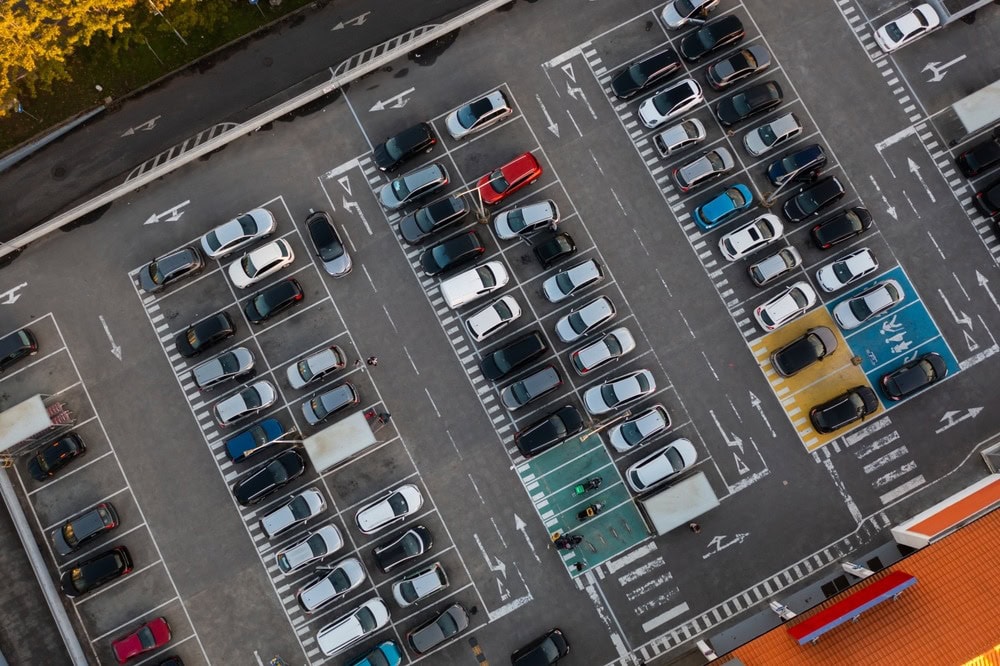
You’re not paving a parking lot for fun. You’re doing it because the current one is costing you—in repairs, complaints, or just looking like you’ve given up. A properly built lot changes that.
Water drains where it should. Asphalt stays smooth under load. Customers pull in without dodging craters or guessing where the lines used to be. The surface cures fast, so you’re not losing days of access or revenue while waiting for it to harden.
When the base is compacted right and the asphalt goes down at the correct thickness, you’re looking at decades of use instead of annual patch jobs. That’s the difference between an investment and an expense. Kingston Springs businesses don’t need another thing to babysit—they need infrastructure that handles itself.
Tristar Paving LLC is a veteran-owned asphalt paving company based in Wilson County, serving Kingston Springs and the greater Nashville area. We bring over 50 years of combined experience to commercial and residential projects—everything from small business lots to larger paving jobs that require coordination, equipment, and know-how.
We’ve seen what happens when contractors skip steps or underquote to win the job, then nickel-and-dime clients with change orders. That’s not how we operate. You get a clear scope, honest communication, and work that reflects the standards you’d expect from people who’ve been doing this long enough to know what matters.
Kingston Springs sits right off I-40, which means weather, traffic, and soil conditions here aren’t a mystery. We understand the local demands—humidity, drainage issues, temperature swings—and build accordingly.

First, there’s a site evaluation. We’ll look at the area, talk through what you need, measure everything, and figure out drainage, grading, and any existing issues that need addressing. No guessing, no assumptions.
If there’s old asphalt or a failing surface, it gets removed down to stable ground. You can’t pave over problems and expect them to stay buried—they don’t. Once the area is cleared and graded to the right slope, a compacted aggregate base goes in. This is the foundation. If it’s done wrong, everything above it fails early.
Hot-mix asphalt arrives on-site and gets laid in controlled passes, typically 8 to 20 feet wide, depending on the equipment and layout. We monitor thickness, slope, and drainage as we go. After the asphalt is down, heavy rollers compact the surface to lock everything in place. Then it cures. You’ll need to stay off it for at least 24 hours, but after that, it’s ready for traffic.
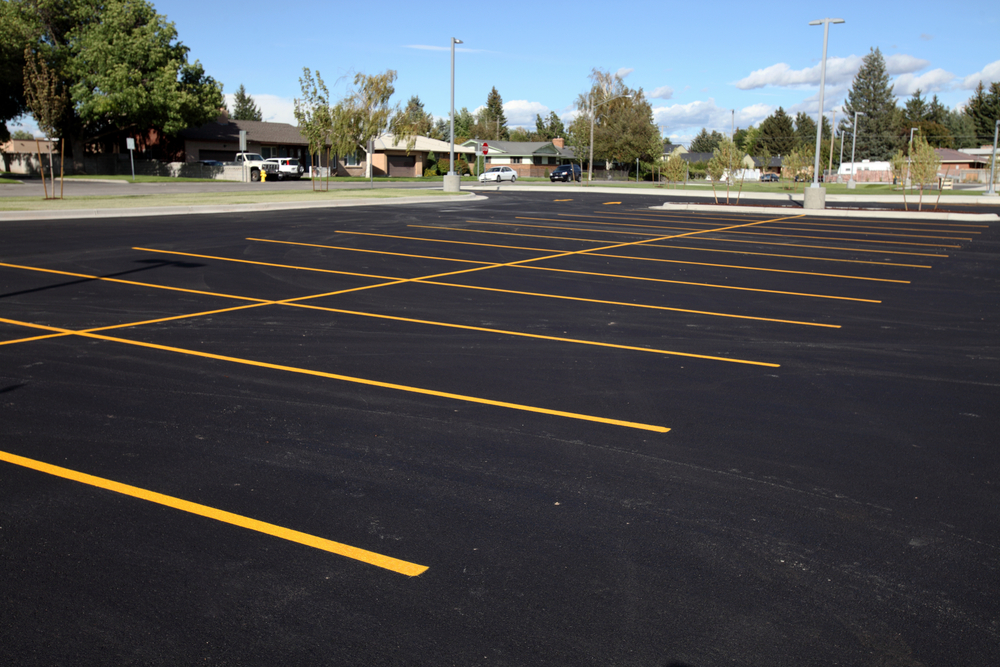
Final step: striping. Clean lines, visible markings, ADA-compliant spaces if required. It’s the last thing that goes in, but it’s the first thing people notice when they pull up.
Ready to get started?
Parking lot paving in Kingston Springs, TN isn’t just about pouring asphalt. It’s about building a surface that handles the specific conditions of this area—frequent rain, humidity, and the kind of temperature swings that crack poorly installed pavement within a year or two.
Proper grading ensures water moves off the lot instead of pooling in low spots. A 2 to 5 percent slope is standard, and it’s not optional if you want your asphalt to last. Standing water is one of the fastest ways to destroy a parking lot. It seeps into cracks, freezes, expands, and turns small issues into expensive ones.
The base layer—usually compacted gravel or crushed stone—gives the asphalt the support it needs under traffic. Skimp here and you’ll see rutting, sinking, and premature failure. We don’t cut that corner. Neither should you.
Asphalt thickness matters too. Commercial lots typically need at least 2 to 3 inches of compacted asphalt depending on expected traffic loads. Anything less and you’re setting yourself up for problems. Kingston Springs properties—whether retail, office, or industrial—deserve paving that holds up under real-world use, not just on paper.

It depends on the size of the lot and what needs to happen before asphalt goes down. If you’re starting from scratch or tearing out old pavement, plan for a few days of prep—grading, base installation, compaction. The actual asphalt paving usually happens in one or two days, depending on square footage and crew size.
Once the asphalt is down and compacted, it needs 24 hours to cure before you can drive or park on it. Weather plays a role too. Rain delays paving, and temperatures need to be warm enough for proper compaction. Most projects in the Kingston Springs area wrap up within a week, start to finish, assuming decent weather and no major surprises underground.
If you’re running a business, timing matters. We’ll work with you to minimize disruption—paving in phases, scheduling around your peak hours, or coordinating access so deliveries and customers aren’t completely blocked.
Resurfacing means adding a new layer of asphalt over the existing surface. It works if your current lot has minor surface damage but the base is still solid. You’re basically giving it a facelift—smoothing out wear, covering small cracks, and extending its life by several years.
Replacing means tearing everything out and starting over. You do this when the base has failed, when there’s widespread cracking or sinking, or when water damage has compromised the structure. If the foundation is shot, resurfacing just hides the problem temporarily. You’ll be back to square one in a year or two, only now you’ve wasted money on a band-aid.
The only way to know which you need is an honest evaluation. Some contractors will push a full replacement because it’s more profitable. Others will sell you a resurface when you really need new construction, just to win the bid. We assess the actual condition and tell you what makes sense for your situation and budget.
Most parking lot paving runs between $2 and $4.50 per square foot, depending on site conditions, base prep, asphalt thickness, and any drainage work that’s needed. A small commercial lot might cost $10,000 to $30,000. Larger projects can run $50,000 to $150,000 or more.
If your site needs significant grading, if the soil is poor and requires extra base material, or if there’s existing pavement to remove, costs go up. Same if you need curbing, ADA-compliant spaces, or custom striping. These aren’t upsells—they’re real factors that affect labor, materials, and time.
The cheapest bid isn’t always the best deal. A contractor who quotes $2 per square foot might be planning to lay thin asphalt over a sketchy base, skip proper compaction, or hit you with change orders once the job starts. You want a detailed scope that breaks down what you’re paying for: base depth, asphalt thickness, grading, drainage, striping. That’s how you compare quotes honestly and avoid getting burned.
Because standing water kills asphalt. When water pools on your lot, it doesn’t just sit there looking ugly—it works its way into tiny cracks and weak spots. In winter, that water freezes and expands, turning hairline cracks into potholes. In summer, it softens the base and causes the asphalt to sink or rut under traffic.
Proper drainage starts with grading. Your lot needs a slope—usually 2 to 5 percent—so water runs off into designated areas like storm drains, swales, or catch basins. If the lot is too flat, water has nowhere to go. If it’s graded wrong, water flows toward your building or pools in the middle of traffic lanes.
Kingston Springs gets its share of rain, and humidity here doesn’t help things dry out fast. A parking lot without drainage isn’t just inconvenient for customers trying to avoid puddles—it’s a maintenance nightmare that shortens the life of your pavement and racks up repair costs. Get the grading right from the start and you won’t be dealing with standing water every time it rains.
A properly installed asphalt parking lot in Kingston Springs should last 20 to 30 years with regular maintenance. That means sealcoating every few years, filling cracks as they appear, and addressing drainage issues before they turn into bigger problems.
If the base wasn’t compacted right, if the asphalt was laid too thin, or if drainage was ignored, you’ll start seeing failure much sooner—sometimes within a few years. Heavy traffic, poor maintenance, and harsh weather all take a toll, but the single biggest factor is how well the lot was built in the first place.
Asphalt isn’t indestructible, but it’s durable and repairable. Small cracks and surface wear are normal over time. The key is catching them early. Sealcoating protects against UV damage, water infiltration, and oil stains. Crack sealing stops water from getting under the surface. These aren’t optional luxuries—they’re part of the deal if you want your investment to last.
Asphalt paving works best when temperatures are consistently above 50 degrees, both air and ground. Cold weather makes it harder for the asphalt to compact properly, and if the ground is frozen or saturated, you can’t build a stable base. Most paving in the Kingston Springs area happens spring through fall for that reason.
That said, mild winter days can work if conditions are right—dry ground, no freeze in the forecast, and temperatures warm enough for the asphalt to stay workable during installation. But it’s not ideal, and most contractors won’t risk it because the results suffer.
If you’re planning a parking lot project, aim for late spring, summer, or early fall. You’ll get better compaction, faster curing, and fewer weather delays. Trying to squeeze it in during a cold snap might save a few weeks on the calendar, but it’s not worth the risk of poor performance down the road.
Other Services we provide in Kingston Springs