

Hear from Our Customers
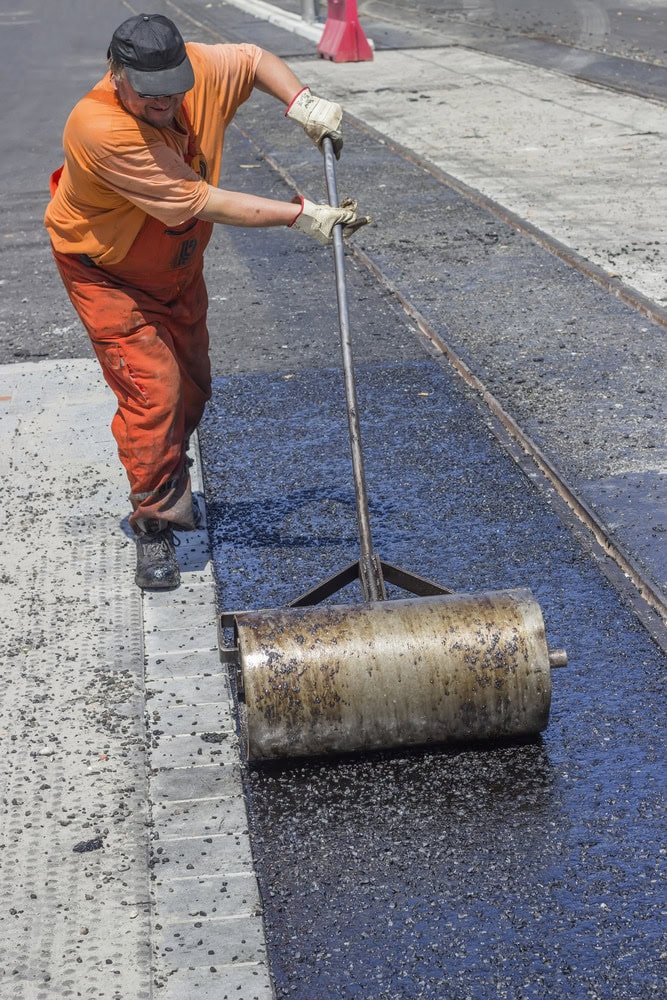
Your driveway should handle Tennessee weather without turning into a cracked mess two years later. Your parking lot should drain properly and hold up under daily traffic.
That’s what proper asphalt paving looks like. Not just smooth black surface for a few months—but a driveway or lot that stays intact through freeze-thaw cycles, summer heat, and everything in between.
When the base is prepared correctly and the asphalt is laid to proper thickness, you’re looking at decades of use instead of constant repairs. That means fewer headaches, lower long-term costs, and a property that looks professional instead of neglected.
Tristar Paving LLC is a veteran-owned asphalt company based in Wilson County, serving Kingston Springs and the greater Nashville area. We bring over 50 years of combined experience to every residential driveway and commercial parking lot we pave.
Being local matters. We understand how Tennessee’s climate affects asphalt—the temperature swings, the rain, the soil conditions specific to Cheatham County and surrounding areas. Kingston Springs is known for well-maintained properties and tight-knit community standards, and we take that seriously.
Whether you’re a homeowner tired of looking at a cracked driveway or a business owner who needs a parking lot that won’t become a liability, we handle both with the same attention to detail.

First, we assess your site—existing conditions, drainage patterns, soil type, and what needs to happen before any asphalt gets laid. This isn’t a quick walk-around. It’s figuring out if the base needs work, where water needs to go, and what thickness your specific situation requires.
Next comes base preparation. This is the part that determines whether your asphalt lasts five years or thirty. We excavate to proper depth, install and compact a gravel base, and ensure water drains away from the surface instead of pooling on it.
Then we pave. Hot asphalt gets laid at the right thickness—typically three inches minimum for residential driveways, more for commercial applications—and compacted while it’s still hot. Edges are finished clean, transitions are smooth, and the surface is graded for proper drainage.
After it cures, you’ve got asphalt that’s ready for daily use. We’ll walk you through maintenance recommendations so you can maximize the lifespan of your investment.

Ready to get started?
For residential properties in Kingston Springs, our services include new driveway installation, driveway replacement, asphalt repairs, and tar and chip driveways. If you’re dealing with a deteriorating driveway that’s hurting your home’s curb appeal or causing drainage issues, we handle the full scope—from removal of old material to final compaction.
Commercial paving covers parking lot construction, parking lot repairs, and ongoing maintenance for businesses throughout the Nashville area. A well-maintained parking lot isn’t just about appearance—it’s about customer safety, liability protection, and the professional image your business projects. Potholes, cracks, and poor drainage create real problems that affect your bottom line.
In Kingston Springs and Cheatham County specifically, property owners deal with clay-heavy soils and weather patterns that put extra stress on asphalt. Proper installation accounts for these local factors. That means adequate base depth, appropriate asphalt thickness, and grading that handles Tennessee’s rainfall patterns without creating standing water or erosion issues.

A properly installed asphalt driveway in Tennessee typically lasts 25 to 30 years, but that number depends entirely on how it’s built and how you maintain it. The climate here works against asphalt—temperature swings cause expansion and contraction, freeze-thaw cycles create cracks, and summer heat can soften poorly installed surfaces.
The difference between a driveway that lasts 10 years and one that lasts 30 comes down to three things: base preparation, asphalt thickness, and drainage. If the base isn’t properly compacted or the asphalt is too thin, you’ll see premature failure regardless of the quality of materials used. Water is the enemy—if it pools on the surface or seeps into the base, it accelerates deterioration.
Regular maintenance extends lifespan significantly. That means filling cracks before they spread, applying sealcoating every few years to protect against UV damage and water penetration, and addressing drainage issues as soon as they appear. Neglect those things and even a well-built driveway will fail early.
For residential driveways in Kingston Springs, you want a minimum of three inches of compacted asphalt over a properly prepared gravel base. That’s the baseline for normal passenger vehicle traffic. If you have heavier vehicles—trucks, RVs, equipment—you need to go thicker, typically four inches or more.
Commercial parking lots require more substantial construction because they handle constant traffic and heavier loads. Most commercial applications need at least three to four inches of asphalt, sometimes more depending on the expected traffic volume and vehicle types. The base layer is equally critical—usually six to eight inches of compacted aggregate, sometimes more in areas with poor soil conditions.
Here’s what matters: thickness alone doesn’t guarantee longevity. You can pour six inches of asphalt, but if the base isn’t properly prepared or drainage isn’t addressed, it’ll still fail prematurely. The base needs to be excavated to proper depth, filled with quality aggregate, and compacted in lifts to achieve proper density. Shortcuts in base prep are where most paving jobs go wrong, and no amount of asphalt thickness compensates for a poorly prepared foundation.
Asphalt paving in the Kingston Springs and Nashville area typically runs between seven and fifteen dollars per square foot for a complete installation, including materials and labor. That price range accounts for proper base preparation, adequate asphalt thickness, and professional installation. A standard two-car driveway might run anywhere from four thousand to eight thousand dollars depending on size, site conditions, and specific requirements.
Several factors affect the final cost. If your site has drainage issues, poor soil conditions, or requires significant excavation, that adds to the price. Accessibility matters too—if equipment can’t easily reach the work area, labor costs increase. The thickness of both the base and the asphalt layer impacts price, as does whether you’re installing new asphalt or removing and replacing existing pavement.
Be cautious of quotes that seem too good to be true. Extremely low bids usually mean corners are being cut—thinner asphalt, inadequate base preparation, or substandard materials. Those “bargains” end up costing more in the long run when you’re dealing with premature failure and needing replacement years earlier than you should. Quality installation costs more upfront but delivers better value over the lifespan of the pavement.
Water is the primary culprit behind premature asphalt failure. When water penetrates the surface through cracks or seeps into the base layer, it weakens the foundation. In Tennessee, freeze-thaw cycles make this worse—water expands when it freezes, creating larger cracks and heaving the surface. Poor drainage compounds the problem by keeping water in contact with the asphalt and base longer than it should be.
Inadequate base preparation is the second major cause. If the base isn’t thick enough, properly compacted, or graded for drainage, the asphalt above it doesn’t have stable support. This leads to settling, cracking, and eventual failure. Some contractors cut corners on base work because it’s not visible in the finished product, but it’s the most critical factor in longevity.
Other factors include asphalt that’s too thin for the traffic it handles, UV exposure that breaks down the binder over time, and lack of maintenance. Sealcoating every few years protects against UV damage and water penetration. Filling small cracks before they spread prevents water infiltration. Addressing drainage issues early stops minor problems from becoming major failures. The driveways that last decades are the ones that start with proper installation and receive basic maintenance throughout their lifespan.
Asphalt makes more sense for most driveways in the Kingston Springs area for several practical reasons. It costs less upfront—typically 30 to 40 percent less than concrete for comparable installation. It handles Tennessee’s freeze-thaw cycles better because it’s flexible, allowing it to expand and contract without cracking as readily as concrete does. Repairs are also simpler and less noticeable with asphalt.
Asphalt cures faster, meaning you can use your driveway within a day or two instead of waiting a week like you would with concrete. Maintenance is straightforward—sealcoating every few years and filling cracks as they appear keeps asphalt in good condition. When asphalt does eventually need replacement, the old material can be recycled, and the process is less disruptive than concrete removal.
Concrete has advantages in specific situations. It lasts longer without maintenance, doesn’t need sealcoating, and handles extremely heavy loads better. If appearance is your top priority and budget isn’t a constraint, concrete offers more design options. But for most residential driveways and commercial parking lots in this area, asphalt delivers better value—lower initial cost, good longevity with basic maintenance, and performance that’s well-suited to local climate conditions. The key is proper installation regardless of which material you choose.
You can typically drive on a new asphalt driveway within 24 to 48 hours after installation, but full curing takes longer. The asphalt needs time to cool and harden completely. Light vehicle traffic is fine after a day or two, but you should avoid parking in the same spot repeatedly or turning your steering wheel while stationary for at least a week—those actions can scuff or indent fresh asphalt.
Full cure time is actually several months, though the asphalt is usable much sooner. During the first few weeks, the surface is more susceptible to damage from sharp objects, heavy loads, or concentrated weight. Avoid driving heavy equipment or trucks on it during this period. Motorcycle kickstands, trailer jacks, and similar concentrated loads can create indentations in fresh asphalt, so use plywood or boards to distribute the weight if necessary.
Temperature affects curing time. Hot summer weather means the asphalt stays softer longer, so extra caution is warranted. Cooler fall temperatures allow the surface to harden faster. Your paving contractor should give you specific guidance based on the conditions during your installation. Following those recommendations protects your investment and ensures the asphalt performs as expected over its full lifespan. Patience during the first few weeks pays off with decades of reliable service.
Other Services we provide in Kingston Springs