

Hear from Our Customers
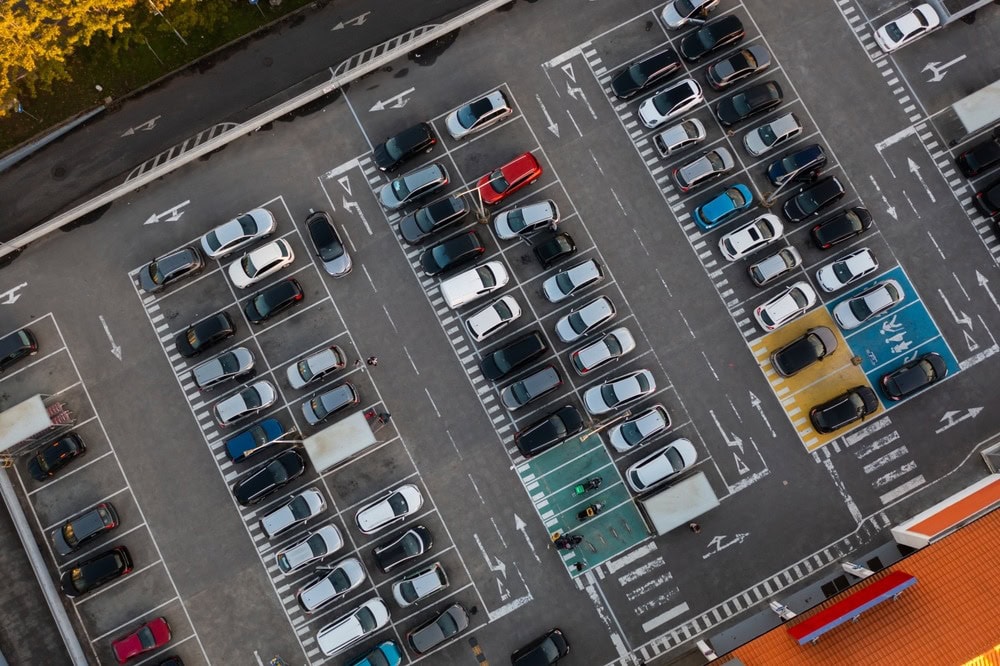
You’re not looking for the cheapest option. You’re looking for a parking lot that doesn’t crack apart after two winters or turn into a pond every time it rains.
When the sub-base is installed correctly and the drainage actually works, your Coopertown parking lot handles what Tennessee throws at it. Summer heat that pushes past 100 degrees. Winter freezes that crack weak asphalt. Spring storms that test every drainage line.
The result is a surface that stays smooth, drains properly, and doesn’t cost you a fortune in repairs three years down the road. Your customers aren’t dodging potholes. You’re not dealing with liability headaches. And you’re not calling for emergency patches every season.
TriStar Paving LLC is a veteran-owned company based in Wilson County with over 50 years of experience in the Nashville area. We’ve paved everything from small business lots to large commercial properties throughout Coopertown and Robertson County.
Coopertown has grown significantly since incorporating in 1996. The Lowe’s distribution center alone brought hundreds of jobs and increased commercial traffic throughout the area. That growth means more businesses need parking lots that can handle real traffic without falling apart.
We serve both residential and commercial clients, but parking lot construction is where decades of experience really matter. Getting the grading right, installing proper drainage, and using quality materials built for Tennessee weather—that’s what separates a 20-year parking lot from one that needs replacing in five.

First, we evaluate your site. We look at drainage patterns, soil conditions, traffic flow, and any existing pavement. This isn’t a quick walk-through—it’s figuring out what your specific property needs.
Next comes site preparation. Any old asphalt gets removed down to the subgrade. The ground gets graded for proper water runoff. This is where most problems start if it’s done wrong, so we do it carefully.
The sub-base goes in next—usually compacted gravel or crushed stone. This layer supports everything above it. If it shifts or settles, your asphalt cracks. That’s why we install it in layers and compact thoroughly at each stage.
Then the asphalt paving begins. Hot-mix asphalt arrives and gets laid down by paving machines in passes typically 8-20 feet wide. The thickness depends on your expected traffic load. After paving comes compaction using vibratory rollers to ensure density and durability. Finally, the lot needs 24-48 hours to cure before striping goes down and vehicles can use it.
Ready to get started?
Parking lot paving in Coopertown means dealing with specific local conditions. The area sits between two major interstates, which means properties here often see heavier traffic than typical suburban locations. The soil conditions in Robertson County also require proper sub-base preparation to prevent settling.
Our service includes complete site preparation—clearing, grading, and drainage installation. Proper grading is critical in Coopertown because the relatively flat terrain means water doesn’t naturally run off. Without the right slope (typically 2-5%), you end up with standing water that seeps into asphalt and causes premature failure.
You also get quality asphalt materials designed for commercial use. There’s a difference between driveway mix and commercial-grade asphalt. Commercial mix is engineered to handle heavier loads and more traffic without rutting or breaking down.
The work includes compaction to proper density, which is what gives asphalt its strength. And once the asphalt cures, striping and marking complete the project—parking space lines, directional arrows, handicap spaces, fire lanes, whatever your property requires.
For businesses in Coopertown’s growing commercial corridor, the parking lot is often the first thing customers see. A well-paved lot with clear striping and no drainage issues makes a better impression than cracked asphalt with faded lines and puddles.

A properly installed asphalt parking lot in Coopertown typically lasts 20-30 years with regular maintenance. The key word is “properly installed.” If the sub-base isn’t prepared correctly or drainage isn’t adequate, you might see failures in 5-10 years instead.
Tennessee weather is hard on asphalt. Summer temperatures above 100 degrees soften the surface. Winter freezes cause expansion and contraction. Spring rains test your drainage. If water gets under the asphalt through cracks, it weakens the base and causes more damage during freeze-thaw cycles.
Regular maintenance extends lifespan significantly. Sealcoating every 3-5 years protects against UV damage and water penetration. Crack sealing prevents small issues from becoming big ones. Businesses that stay on top of maintenance get decades from their parking lots.
Poor drainage is the number one cause of parking lot failure in Coopertown and throughout Robertson County. The area’s relatively flat terrain means water doesn’t naturally run off—it needs to be directed. If the lot isn’t graded properly or drainage systems aren’t installed, water pools on the surface and eventually works its way underneath.
Once water gets under the asphalt, it weakens the sub-base. During winter, that water freezes and expands, pushing up on the asphalt. When it thaws, voids are left behind. This freeze-thaw cycle repeats and creates cracks, which let in more water, which causes more damage.
Inadequate sub-base preparation is the second major cause. If the sub-base isn’t properly compacted or if unsuitable materials are used, the pavement above it will shift and crack. Some contractors cut corners here because it’s underground and customers can’t see it. But this is the foundation—if it fails, everything fails.
Parking lot paving in Coopertown typically costs between $2 and $5 per square foot for asphalt, depending on site conditions, drainage needs, and project complexity. A small commercial lot might run $50,000-$100,000, while larger properties can exceed $200,000.
Several factors affect the final cost. Site preparation is a big one—if there’s existing pavement to remove or significant grading needed, that adds to the total. Drainage installation also varies based on site conditions. The thickness of asphalt matters too. Standard commercial parking lots typically need 3-4 inches of asphalt over a compacted base.
Beware of quotes that seem too low. Some contractors bid low to win the job, then add change orders during construction. A reputable contractor evaluates the site thoroughly upfront and provides transparent pricing. The best value isn’t the lowest bid—it’s the contractor who does the job right so you’re not paying for repairs in a few years.
It depends on the extent and type of damage. Surface issues like minor cracking, fading, or small potholes can usually be repaired without full replacement. But if the sub-base has failed or there’s widespread structural damage, replacement is often more cost-effective than extensive repairs.
Sealcoating works well for parking lots with minor surface wear. It fills hairline cracks, protects against UV damage and water penetration, and restores that fresh black appearance. Crack sealing addresses larger cracks before they spread. Asphalt patching can fix isolated areas of damage like potholes without repaving the entire lot.
But if you’re seeing alligator cracking (that interconnected pattern of cracks), significant rutting, or areas where the pavement has sunk, those indicate sub-base problems. Patching the surface won’t fix underlying structural issues. In those cases, the damaged sections need to be removed down to the sub-base, repaired, and then new asphalt gets installed.
Regular maintenance is what separates parking lots that last 30 years from those that fail in 10. The main maintenance tasks are sealcoating, crack sealing, and periodic cleaning and inspection.
Sealcoating should happen every 3-5 years depending on traffic and weather exposure. This protective layer shields asphalt from UV rays, water, oil, and other damaging elements. Crack sealing should be done as soon as cracks appear. Small cracks turn into big cracks fast, especially during Tennessee’s freeze-thaw cycles.
Regular cleaning removes debris and prevents organic material from breaking down the asphalt surface. It’s also important to inspect catch basins and drainage systems to make sure they’re not clogged. Striping typically needs refreshing every few years as paint fades from traffic and weather.
Address any damage promptly. A small pothole is a quick fix. Ignored, it becomes a bigger pothole that damages vehicles and creates liability issues. Staying ahead of maintenance issues costs far less than dealing with major repairs later.
Water is asphalt’s biggest enemy. Proper drainage isn’t optional—it’s essential for parking lot longevity. In Coopertown’s climate with significant rainfall and freeze-thaw cycles, drainage problems accelerate pavement failure dramatically.
When water sits on asphalt, it slowly works its way into small cracks and pores in the surface. Once underneath, it weakens the sub-base by washing away fine particles and creating voids. During freezing temperatures, that water expands and pushes up on the pavement. When it thaws, gaps are left behind. This cycle repeats and creates progressively worse damage.
Standing water also breaks down the asphalt binder that holds the aggregate together. UV exposure and water together oxidize the asphalt, making it brittle and prone to cracking. Proper drainage means the lot is graded with adequate slope (typically 2-5%) to move water off the surface and includes catch basins and drainage systems where needed.
Coopertown’s relatively flat terrain makes drainage more challenging than in hilly areas. That’s why proper grading during installation is critical. A parking lot that drains well will outlast one with drainage problems by years, even decades.
Other Services we provide in Coopertown