

Hear from Our Customers
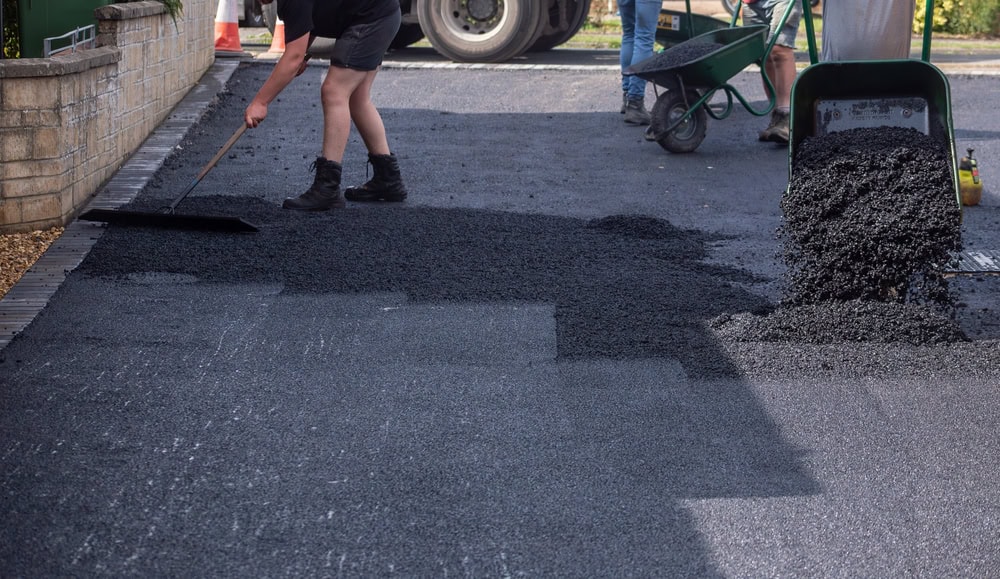
You know that feeling when you pull into a smooth, properly graded driveway. No more dodging potholes or watching water pool against your foundation.
A professionally paved driveway does more than look good. It protects your property investment, handles Tennessee’s freeze-thaw cycles, and gives you one less thing to worry about for decades.
When the job’s done right the first time, you’re not dealing with constant repairs or watching your driveway crumble after a few winters. You’re getting reliable access to your home, better drainage, and the kind of curb appeal that neighbors notice.
We bring over five decades of asphalt paving experience to Ashland City and the greater Nashville area. As a veteran-owned business based in Wilson County, we understand what it takes to deliver work that lasts.
We’re not a crew that shows up, slaps down some asphalt, and disappears. We’ve been serving residential and commercial clients throughout the region long enough to know that reputation matters more than quick profits.
When you’re dealing with Tennessee’s clay soil, unpredictable weather, and the need for proper drainage, experience makes the difference between a driveway that holds up and one that starts failing in two years.
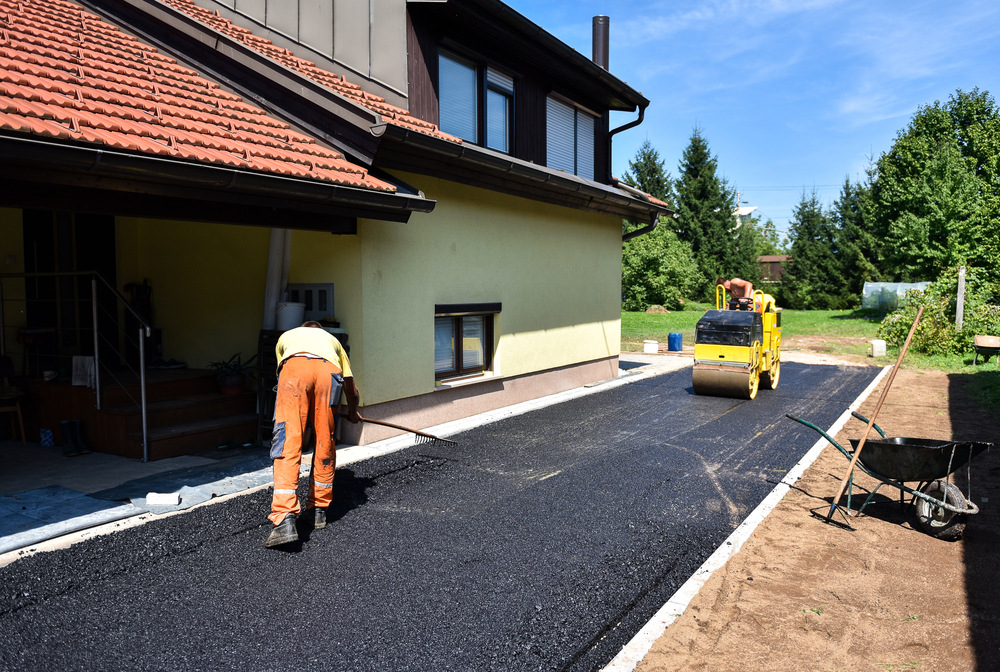
Every driveway project starts with proper site evaluation and grading. We assess your property’s drainage patterns, soil conditions, and existing surface to determine the right approach for your specific situation.
Next comes the preparation work that most contractors skip or rush through. This means proper excavation, base material installation, and ensuring adequate drainage to prevent future problems. The base work determines how long your driveway will last.
Finally, the asphalt application happens when conditions are right. Proper temperature, thickness, and compaction create a surface that handles daily use and weather extremes. The finished driveway gets time to cure properly before you’re driving on it.
Ready to get started?
Every driveway paving project includes proper site preparation, quality materials, and installation techniques that account for local soil and weather conditions. You’re not getting a one-size-fits-all approach.
Ashland City’s location in Cheatham County means dealing with clay soil that expands and contracts with moisture changes. Your driveway needs proper base preparation and drainage to handle these conditions without cracking or settling.
Our service includes everything from initial grading and base installation to final asphalt application and cleanup. You get a complete project, not just the visible surface work that some contractors focus on while cutting corners on the foundation work that actually matters.
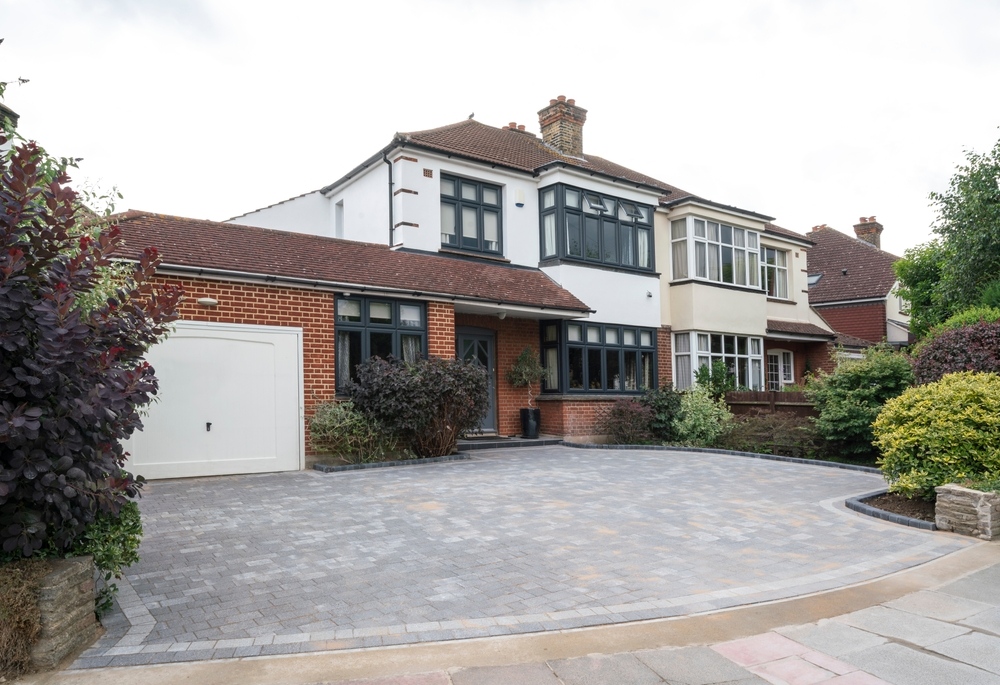
A properly installed asphalt driveway in Tennessee typically lasts 15-20 years with basic maintenance, and up to 25-30 years with regular sealcoating and prompt crack repairs.
The key factors are proper base preparation, adequate thickness for your soil conditions, and quality installation. Tennessee’s clay soil and freeze-thaw cycles can be tough on driveways, but proper preparation handles these challenges.
Regular maintenance like sealcoating every 3-5 years and addressing small cracks quickly can significantly extend your driveway’s lifespan. Most premature failures happen because of poor base work or inadequate drainage, not the asphalt itself.
Asphalt costs less upfront, handles freeze-thaw cycles better, and is easier to repair when needed. Concrete costs more initially but can last longer if properly maintained, though it’s more prone to cracking in Tennessee’s climate.
For most Tennessee homeowners, asphalt makes more sense. It flexes with soil movement and temperature changes rather than cracking like concrete often does. When repairs are needed, asphalt patches blend better and cost less.
Concrete can work well in certain situations, but asphalt typically delivers better value over time in our climate. The lower upfront cost and easier maintenance make it the practical choice for most residential driveways.
Residential driveways typically need 2-3 inches of asphalt over a properly prepared base. The base layer is usually 4-6 inches of compacted gravel, depending on your soil conditions and drainage requirements.
Thickness isn’t just about the asphalt layer. The base preparation matters more for long-term durability. Clay soil areas like much of Tennessee require thicker, well-compacted base layers to prevent settling and cracking.
Commercial areas or driveways that see heavy truck traffic need thicker asphalt layers, typically 3-4 inches. But for normal residential use, proper base work and 2-3 inches of quality asphalt provide excellent durability.
Late spring through early fall provides the best conditions for asphalt paving in Tennessee. You want temperatures consistently above 50°F and dry weather for proper installation and curing.
Summer can work well, but extremely hot days (over 90°F) can make installation more challenging. The ideal temperature range is 60-80°F with low humidity and no rain in the forecast for at least 24 hours after installation.
Fall is often the best time because temperatures are moderate, humidity is lower, and you have time for the asphalt to cure properly before winter weather hits. Spring works too, once the ground has dried out from winter moisture.
Keep your driveway clean, address small cracks promptly, and apply sealcoating every 3-5 years. Avoid parking heavy vehicles in the same spots repeatedly, especially during hot weather when asphalt is softer.
Small cracks should be filled as soon as you notice them, before water gets in and causes bigger problems during freeze-thaw cycles. This simple maintenance prevents minor issues from becoming expensive repairs.
Sealcoating protects against UV damage, water penetration, and chemical spills like oil or gasoline. It also refreshes the appearance and can add several years to your driveway’s lifespan when applied at the right intervals.
Most driveway cracking comes from poor base preparation, inadequate drainage, or natural soil movement. Tennessee’s clay soil expands and contracts with moisture changes, putting stress on the pavement above.
Prevention starts with proper installation: adequate base thickness, good compaction, and drainage systems that move water away from the driveway. These foundation elements handle soil movement and prevent water damage.
Regular maintenance also prevents small problems from becoming big ones. Sealcoating protects against water penetration, and prompt crack repair stops minor settling from turning into major structural issues. Most cracking problems are preventable with proper installation and basic upkeep.
Other Services we provide in Ashland City