
Hear from Our Customers
You get a parking lot that doesn’t embarrass your business. One that doesn’t send customers dodging potholes or wondering if you care about your property. You get proper drainage so water doesn’t pool after every rain, accelerating cracks and deterioration.
The asphalt stays smooth. The striping stays visible. Your customers park without thinking twice about it, which is exactly how it should be.
You also get fewer headaches down the road. When commercial paving is done right from the start—proper grading, quality materials, correct compaction—you’re not calling for repairs every season. The surface holds up to delivery trucks, employee traffic, and whatever Middle Tennessee weather throws at it. That’s the difference between a parking lot that lasts 10 years and one that makes it past 20.
We’ve been handling commercial and residential paving in Wilson County for over five decades. That’s not a marketing line—it’s what happens when you do quality work and people keep calling you back.
We’re a veteran-owned company, which means our approach is straightforward: show up, do the work right, and stand behind it. No games, no shortcuts. Whether it’s a retail parking lot in Kempville or a commercial driveway for an industrial facility, the process stays the same—proper site prep, quality asphalt, and attention to the details that make pavement last.
Being local to Wilson County matters. We understand how Tennessee humidity affects asphalt. We know the soil conditions, drainage needs, and what holds up in this climate. You’re not getting a crew that learned on YouTube—you’re getting contractors who’ve paved thousands of projects across the Nashville area.

It starts with an honest assessment of your property. What’s the current condition? What’s the goal? What’s the budget? You get a clear estimate—no surprises later.
Next comes site preparation. This is where most contractors cut corners, and it’s why some parking lots fail in just a few years. Proper grading ensures water drains away from the surface instead of pooling. The base gets compacted correctly so the asphalt has a stable foundation. If there are drainage issues, we address them now, not after you’ve already paid for new pavement.
Then comes the asphalt installation. Hot asphalt gets laid at the right temperature and compacted properly to create a dense, durable surface. Thickness matters—commercial lots handling heavy traffic need more than a thin overlay. We work efficiently to minimize disruption to your business operations.
Finally, striping and finishing. Once the asphalt cures, parking spaces get marked, ADA-compliant areas get designated, and any signage or wheel stops get installed. You’re left with a parking lot that’s functional, safe, and professional-looking.

Ready to get started?
Commercial paving covers more than just pouring asphalt. You’re getting a complete solution designed for your specific property needs.
Site evaluation and planning come first. Every property in Kempville has different drainage patterns, soil conditions, and traffic requirements. A retail parking lot doesn’t need the same thickness as a lot handling delivery trucks daily. We assess what your property actually needs—not what’s easiest to install.
Base preparation and grading create the foundation. Poor base work is why you see parking lots with dips, cracks, and early failure. In Wilson County, where rain is frequent, proper slope and drainage aren’t optional. Water needs somewhere to go, or it’ll destroy your asphalt from underneath.
Asphalt installation uses quality materials specified for commercial use. The thickness, mix design, and compaction all affect how long your parking lot lasts. You’re not getting residential-grade asphalt on a commercial property.
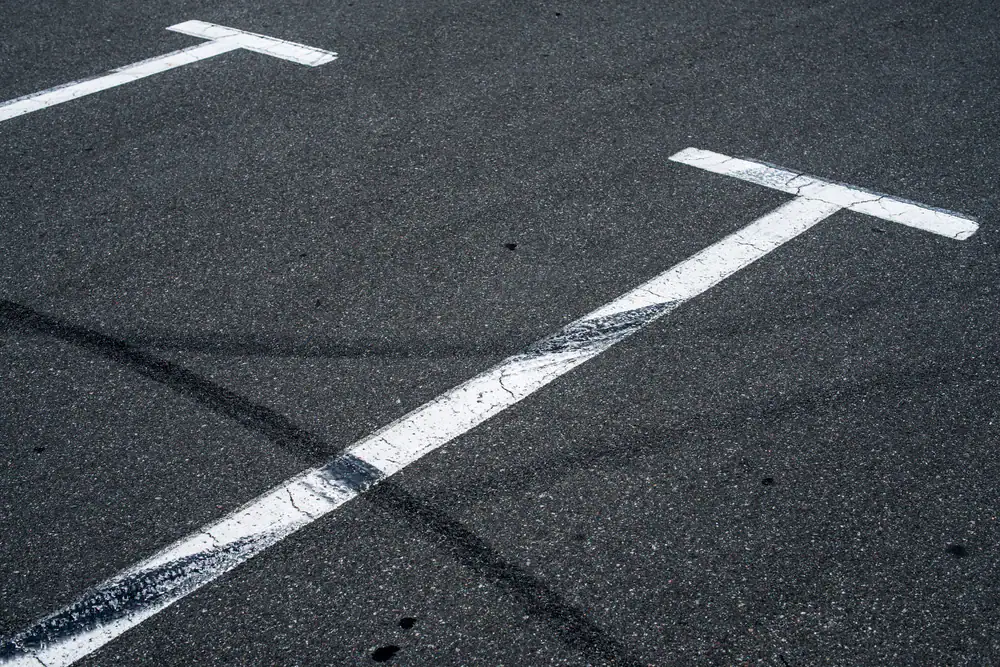
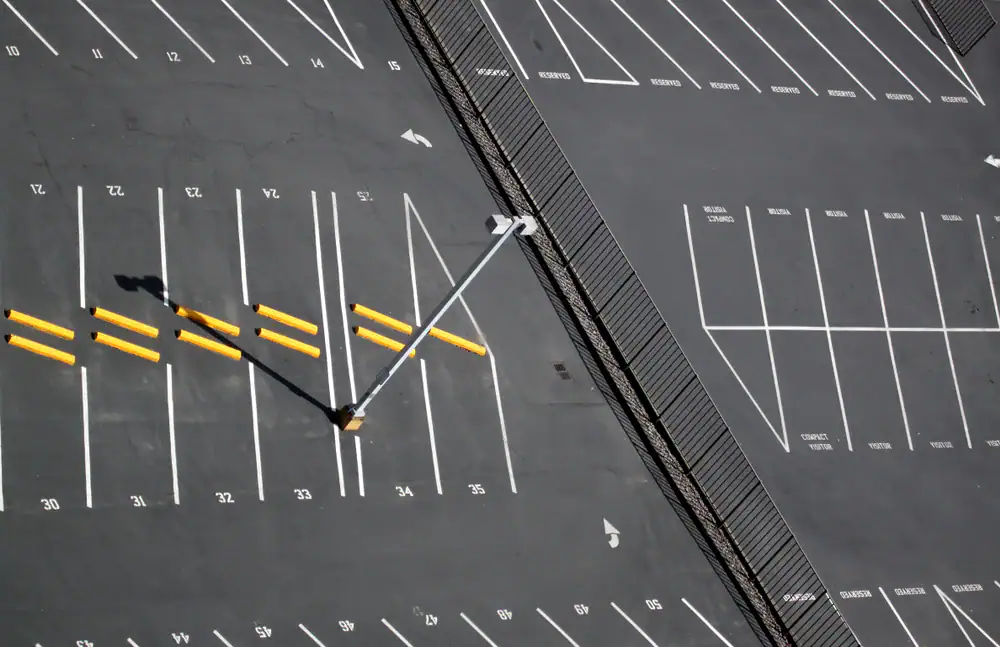
Striping and ADA compliance finish the job. Parking spaces, fire lanes, handicap areas, crosswalks—everything gets marked clearly and meets local codes. This isn’t just about looks; it’s about liability protection and creating a safe, organized parking experience for your customers and employees.

A properly installed commercial parking lot in Tennessee typically lasts 20 to 30 years with regular maintenance. The key word there is “properly installed.”
If the base wasn’t prepared correctly, drainage wasn’t addressed, or the asphalt was too thin for the traffic load, you might see problems in 5 to 10 years instead. Tennessee’s weather—humidity, temperature swings, frequent rain—is tough on asphalt. Water is the enemy. When it seeps into cracks and freezes (yes, even in Middle Tennessee), it expands and causes more damage.
Regular maintenance extends that lifespan significantly. Sealcoating every 3 to 5 years protects the surface from UV damage and water infiltration. Crack sealing prevents small issues from becoming potholes. Addressing drainage problems before they destroy the base saves you from premature replacement. A parking lot that gets attention lasts decades. One that gets ignored might not make it 15 years.
An overlay means adding a new layer of asphalt on top of the existing surface. Complete replacement means tearing out the old asphalt and starting from scratch with fresh base and new pavement.
Overlays work when the existing base is still solid and the surface damage is mostly cosmetic—minor cracking, fading, rough texture. It’s less expensive and faster than full replacement. But here’s the catch: if the base has failed, if there’s significant cracking or settling, or if drainage issues exist, an overlay just covers up problems temporarily. You’ll be dealing with the same issues again in a few years, except now you’ve spent money twice.
Complete replacement is necessary when the base has deteriorated, when there’s extensive cracking throughout the lot, or when drainage problems need fixing. Yes, it costs more upfront. But you’re getting 20-plus years of service instead of a band-aid that lasts 5 years. The honest answer depends on your specific parking lot condition. A contractor who evaluates your property and recommends what actually makes sense—not just what’s easiest to sell—is worth finding.
Commercial paving costs in Wilson County typically range from $3 to $7 per square foot for new installation, but that’s a wide range because every project is different.
A simple overlay on a small lot with good drainage costs less than a complete replacement on a large parking lot that needs extensive base repair and grading work. Thickness matters—a lot handling heavy delivery trucks needs thicker asphalt than a small office parking area. Site conditions matter too. If the property has poor drainage, slopes incorrectly, or needs significant prep work, costs go up.
Here’s what affects your price: the size of the area, current condition of the site, amount of base work required, asphalt thickness needed for your traffic load, drainage improvements, striping and ADA compliance work, and any additional features like curbing or signage. The best approach is getting a detailed estimate based on your actual property. Beware of quotes that seem too good to be true—they usually are. Cheap paving often means thin asphalt, poor base prep, or shortcuts that cost you more in repairs down the road.
Asphalt paving in Tennessee is best done when temperatures are consistently above 50 degrees, which typically means spring through fall. Winter paving is possible but comes with challenges.
Asphalt needs to be installed hot and compacted while it’s still workable. Cold temperatures cause the asphalt to cool too quickly, making proper compaction difficult. If the ground is frozen or too cold, the asphalt won’t bond correctly to the base. You end up with a surface that’s more prone to cracking and early failure.
That said, Tennessee winters aren’t as harsh as northern states. There are stretches of mild weather even in winter months when paving is feasible. Emergency repairs sometimes can’t wait for spring. But for planned commercial projects, scheduling during warmer months gives you the best results. The asphalt stays workable longer during installation, compacts better, and cures properly. If you’re planning a parking lot project, aim for April through October when weather conditions are most favorable. Your pavement will thank you with a longer lifespan.
Water is the number one enemy of asphalt pavement. Proper drainage isn’t optional in Tennessee—it’s essential for parking lot longevity.
When water pools on your parking lot surface, it eventually finds its way into small cracks. In Tennessee, we get temperature swings even in winter. That water freezes, expands, and makes those cracks bigger. Over time, water infiltrates down to the base layer. Once the base gets saturated and unstable, the asphalt above it starts failing—you’ll see alligator cracking, potholes, and sections that sink or heave.
Wilson County gets plenty of rain and humidity. Without proper slope and drainage design, your parking lot becomes a collection point for water. That accelerates deterioration dramatically. A parking lot with good drainage might last 25 years. The same lot with poor drainage might need major repairs in 10 years. Proper grading during installation directs water away from the pavement and toward drainage structures. It’s not the glamorous part of paving, but it’s what separates parking lots that last from ones that fail prematurely.
Most commercial paving projects can be phased to keep your business operational, though some temporary adjustments are usually necessary.
The approach depends on your parking lot size and layout. Larger lots can often be paved in sections—half the lot stays open for customers while the other half gets paved, then you switch. This takes longer overall but minimizes disruption. Smaller lots might require a full closure for a day or two, but that’s often manageable if scheduled strategically.
Timing matters too. Many businesses schedule paving during slower periods, off-hours, or weekends to reduce impact. Retail properties might choose to pave during weekdays when traffic is lighter. Restaurants might opt for late-night or early-morning work to avoid dinner rushes. The key is planning ahead and communicating clearly with customers about temporary parking arrangements.
We understand that your business can’t just shut down for a week. We’ll work with you to develop a phasing plan that keeps you operational while still getting the job done efficiently. Yes, there will be some inconvenience—that’s unavoidable. But complete closure for extended periods usually isn’t necessary with proper planning.
Other Services we provide in Kempville