
Hear from Our Customers
A solid parking lot isn’t about curb appeal—it’s about function. It’s about customers pulling in without dodging potholes. It’s about employees not tripping on cracked asphalt. It’s about avoiding the lawsuit that comes when someone’s tire blows out in your lot or their ankle rolls on uneven pavement.
When your parking lot is paved correctly, water drains where it should. The surface stays level under heavy loads. Cracks don’t spiderweb across the asphalt after one winter. You’re not calling for emergency patches every few months because the base was rushed or the materials were cheap.
Good commercial paving also means your property looks like you care about it. First impressions aren’t just marketing talk. A smooth, well-maintained lot signals that your business is professional and operational. A crumbling one does the opposite.
And here’s what most people don’t think about: properly installed asphalt lasts. With the right base prep, quality materials, and correct compaction, you’re looking at decades of use instead of years. That’s fewer disruptions, fewer repair bills, and fewer headaches down the road.
We’ve been handling commercial paving in Hunters Point, TN and across Wilson County for over 50 years. Tristar Paving LLC is veteran-owned, which means the work gets done with discipline, accountability, and respect for deadlines.
We’re not a crew that shows up, lays some asphalt, and disappears. We understand how Tennessee weather beats up pavement—the freeze-thaw cycles in winter, the brutal summer heat, the humidity that never seems to quit. We know what Wilson County properties need to hold up under those conditions, and we build accordingly.
We handle everything from new parking lot construction to resurfacing, repairs, and ADA-compliant installations. The focus is on doing it right the first time so you’re not dealing with callbacks, patches, or problems that should’ve been prevented during the original install.

First, there’s a site evaluation. That means looking at drainage, grading, soil conditions, and how the lot will actually be used. A parking lot for a retail center gets different treatment than one for an industrial facility. Traffic patterns matter. Load requirements matter. Drainage is critical in Hunters Point because Tennessee gets rain, and water is asphalt’s worst enemy if it’s not managed correctly.
Next comes site prep. This is where a lot of contractors cut corners, and it’s where problems start. The existing surface gets removed if needed. The base gets graded and compacted to create a stable foundation. If the base isn’t solid, nothing on top of it will hold up. This step also includes setting up proper drainage so water flows away from the pavement instead of pooling or seeping underneath.
Then the asphalt goes down. We use quality hot-mix asphalt, applied in layers and compacted with heavy equipment to eliminate air pockets and ensure a dense, durable surface. The thickness depends on your specific needs—heavier traffic requires a thicker application. The edges get sealed. The surface gets smoothed. Everything is checked for grade and level.
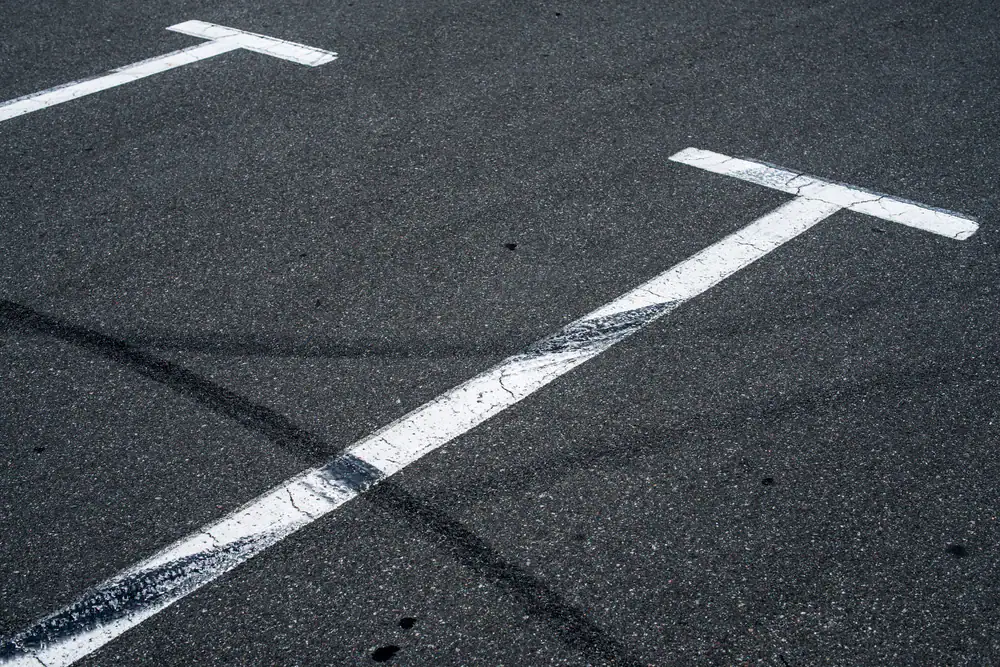
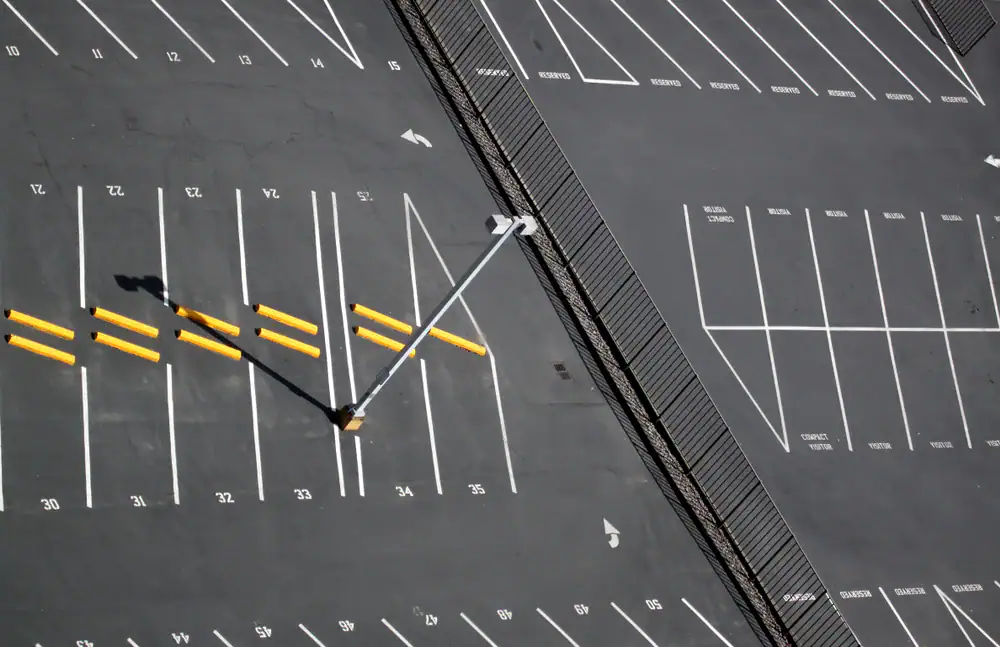
After the asphalt cures, striping and finishing touches get handled. That includes parking space lines, ADA-compliant markings, directional arrows, and any other details your property requires. You’re left with a parking lot that’s ready for use and built to handle years of traffic.

Ready to get started?
Commercial paving in Hunters Point covers more than just laying asphalt. It includes site assessment, base preparation, grading, drainage solutions, asphalt installation, compaction, and finishing work like striping and ADA compliance. Every project starts with understanding what your property needs based on traffic volume, usage patterns, and local conditions.
Wilson County businesses deal with specific challenges. Tennessee’s temperature swings cause asphalt to expand and contract, which leads to cracking if the installation isn’t done correctly. High humidity accelerates deterioration if water gets into the base layers. And heavy traffic—whether it’s delivery trucks, customer vehicles, or equipment—puts constant stress on the surface.
That’s why proper base prep matters so much. The gravel base needs to be compacted correctly to create a stable foundation. Drainage systems need to be designed so water doesn’t pool on the surface or infiltrate underneath. The asphalt thickness needs to match the expected load. Corners can’t be cut on any of these steps if you want the lot to last.
ADA compliance is another key piece. Your parking lot needs accessible spaces, proper slopes, detectable warning surfaces, and compliant striping. This isn’t optional—it’s a legal requirement, and getting it wrong creates liability. We handle ADA requirements as part of the standard process so you don’t have to worry about violations or retrofits later.

Timeline depends on the size of your lot and the scope of work. A straightforward parking lot resurfacing for a small business might take 2-3 days from start to finish. Larger projects—like new construction for a retail center or industrial facility—can take 1-2 weeks or more, especially if significant grading, drainage work, or base prep is involved.
Weather also plays a role. Asphalt needs to be installed in specific temperature ranges to cure properly. If it’s too cold or if rain is in the forecast, the schedule gets adjusted to protect the quality of the work. Rushing a paving job to meet a deadline sounds good until the asphalt fails prematurely because it wasn’t installed under the right conditions.
We’ll give you a detailed timeline during the consultation phase. That timeline includes site prep, paving, curing time, and striping. You’ll also know how much of that time requires restricted access to your lot so you can plan around business operations and minimize disruption to customers or tenants.
Resurfacing means adding a new layer of asphalt over the existing surface. It’s a good option when the base is still solid but the top layer is worn, faded, or showing minor cracks. Resurfacing costs less than full replacement and takes less time, but it only works if the underlying structure is sound. If the base has failed or there’s significant water damage underneath, resurfacing just covers up problems temporarily.
Full replacement involves tearing out the old asphalt, addressing any base or drainage issues, and installing a completely new parking lot from the ground up. It’s more expensive and takes longer, but it’s the right move when the existing lot has structural problems, widespread cracking, potholes, or drainage failures. Replacement gives you a fresh start and resets the lifespan of your pavement.
The decision comes down to the condition of your current lot. We’ll assess the base, check for water damage, and look at the extent of surface deterioration before recommending resurfacing or replacement. You need an honest assessment, not just the cheapest quote.
Tennessee’s climate is tough on asphalt. Summers get hot, which softens the surface and makes it more susceptible to rutting under heavy loads. Winters bring freezing temperatures that cause the asphalt to contract. When water seeps into cracks and freezes, it expands and widens those cracks. Then it thaws, and the cycle repeats. That freeze-thaw process destroys pavement faster than almost anything else.
Humidity is another factor. Tennessee gets plenty of rain, and if your parking lot doesn’t have proper drainage, water sits on the surface or infiltrates the base. That weakens the foundation and accelerates deterioration. Over time, you’ll see potholes, crumbling edges, and sections that sink or heave because the base has been compromised by water.
That’s why commercial paving in Hunters Point requires specific techniques. The asphalt mix needs to be flexible enough to handle temperature swings without cracking. The base needs to be properly compacted and graded for drainage. And the surface needs to be sealed and maintained to prevent water infiltration. Skipping any of these steps means you’ll be dealing with premature failure and costly repairs.
ADA compliance means your parking lot meets federal accessibility standards. That includes having the correct number of accessible parking spaces based on your total lot size, proper dimensions for those spaces (at least 8 feet wide with a 5-foot access aisle), and appropriate signage. The spaces need to be located on the shortest accessible route to your building entrance.
The surface also matters. Accessible spaces and access aisles need to be level—no more than 2% slope in any direction. The pavement has to be firm, stable, and slip-resistant. If there are curbs, you need curb ramps with detectable warning surfaces (those tactile bumps that signal a change in elevation). All of this is regulated by the ADA, and violations can result in complaints, lawsuits, and fines.
Getting it right during the initial paving project is far easier and cheaper than retrofitting later. We include ADA compliance as part of the planning and installation process for commercial projects. That means proper placement, correct slopes, compliant striping, and all the details that keep your property accessible and legally compliant. It’s not an add-on—it’s built into the work from the start.
Cost depends on the size of your lot, the condition of the existing surface, and the scope of work. For commercial projects, asphalt paving typically runs between $3 and $8 per square foot, including materials and installation. That range accounts for differences in base prep, asphalt thickness, drainage work, and site-specific challenges.
A straightforward resurfacing project on a small lot might come in at the lower end of that range. A full replacement with extensive grading, drainage improvements, and ADA-compliant features will cost more. Larger lots benefit from economies of scale, so the per-square-foot cost often drops as the project size increases. Additional services like sealcoating, striping, and ongoing maintenance are usually priced separately.
The best way to get an accurate estimate is to have us evaluate your property in person. We’ll assess the current condition, measure the area, discuss your needs, and provide a detailed quote that breaks down materials, labor, and any additional work. Be cautious of quotes that seem unusually low—they often mean shortcuts on materials, base prep, or asphalt thickness, and those shortcuts cost you more in the long run when the pavement fails early.
Cracks happen for a few main reasons. Water infiltration is the biggest culprit. When water seeps into small cracks or through the surface, it weakens the base layers underneath. In winter, that water freezes and expands, widening the cracks. Over time, this creates larger fissures, potholes, and sections of pavement that crumble or sink.
Poor base preparation is another common cause. If the gravel base isn’t compacted properly or if the soil underneath isn’t stable, the asphalt will shift and settle unevenly. That movement creates stress points where cracks form. Heavy traffic accelerates the process, especially if the asphalt wasn’t thick enough to handle the load in the first place.
Prevention starts with proper installation. That means a well-compacted base, correct asphalt thickness for your traffic volume, and drainage systems that keep water away from the pavement. After installation, regular maintenance matters. Sealcoating every few years protects the surface from water and UV damage. Crack sealing addresses small issues before they turn into major problems. Timely repairs prevent minor damage from spreading and requiring expensive resurfacing or replacement. The key is catching problems early and addressing them correctly, not waiting until the damage is so extensive that a full replacement is the only option.
Other Services we provide in Hunters Point