
Hear from Our Customers
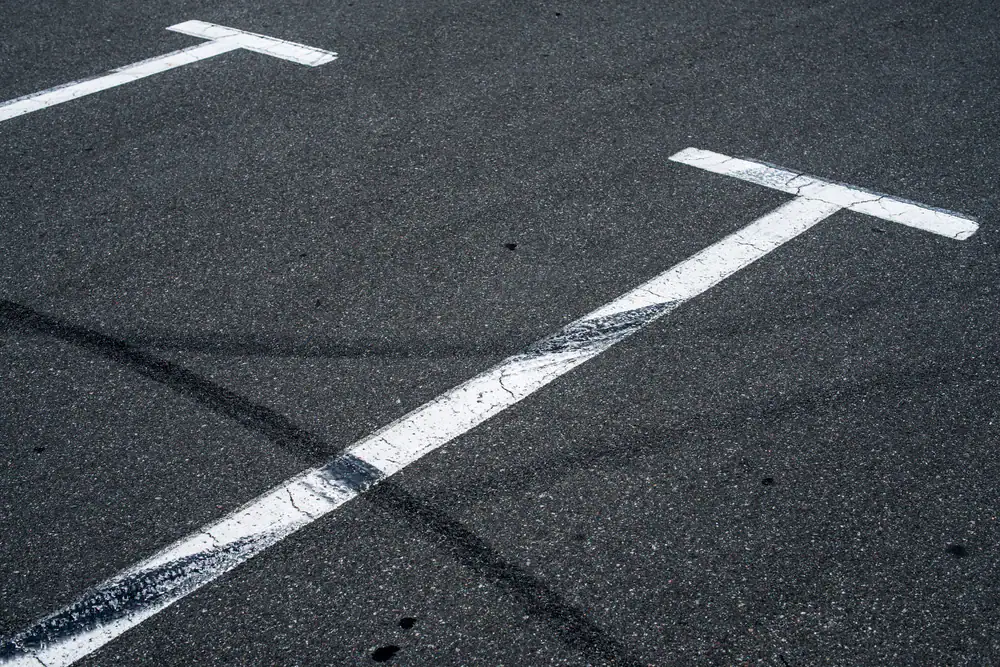
A cracked, faded parking lot tells customers you don’t care about details. That’s not the impression you’re trying to make.
Quality asphalt paving fixes that. You get a smooth, professional surface that handles heavy traffic, drains properly, and stays intact through Tennessee’s weather extremes. No more potholes damaging customer vehicles. No more liability concerns keeping you up at night. No more patching the same spots every season.
The difference is in the foundation work and materials. Proper grading prevents water pooling. Quality asphalt withstands freeze-thaw cycles. Professional installation means 20-30 years of service instead of needing a redo in five. Your property value goes up. Your maintenance costs go down. Your business looks like the professional operation it is.
We’ve been handling commercial and residential paving throughout Wilson County for over five decades. As a veteran-owned company, the same discipline and attention to detail that matters in military service shows up in every project we complete.
Cherry Valley businesses need contractors who understand local conditions—the clay soil, the temperature swings, the heavy spring rains that test drainage systems. We know these challenges because we’ve been working in this area for years, not just passing through for a quick job.
We’re fully licensed and insured. We use premium materials and proven techniques. And we show up when we say we will, finish on schedule, and stand behind our work.

First, we assess your property to understand the scope, drainage requirements, and any specific needs like ADA compliance for accessible parking spaces. You get a detailed estimate that breaks down exactly what you’re paying for—no vague line items or surprise costs later.
Next comes site preparation. This is where most contractors cut corners, but it’s the foundation of everything. Our crew grades the surface properly, ensures water will drain away from the pavement, and creates a stable base that won’t shift or settle over time.
Then we install the asphalt using professional-grade equipment and quality materials. The surface gets compacted correctly to eliminate air pockets and weak spots. After curing, sealant goes on for added protection against UV rays, oil, and water infiltration.
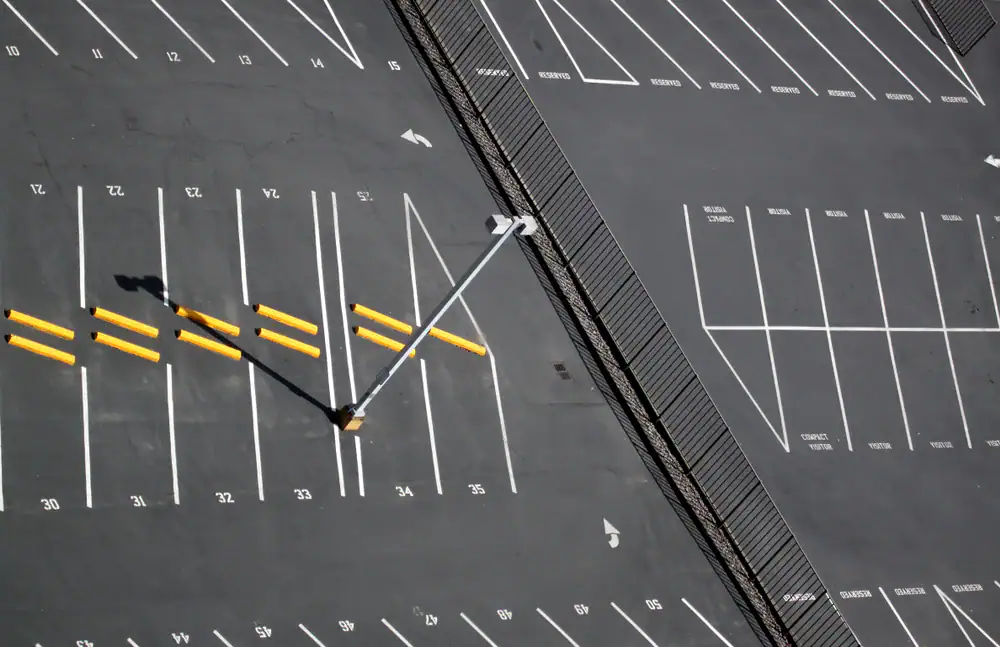
Finally, striping and marking complete the job. Your parking lot meets ADA requirements, traffic flows smoothly, and the whole thing looks sharp. Most commercial projects wrap up in days to a couple weeks depending on size, with scheduling designed to minimize disruption to your business operations.

Ready to get started?
Commercial paving covers new parking lot construction, complete resurfacing of deteriorated lots, and repairs to specific damaged areas. We handle the full scope—excavation if needed, base preparation, asphalt installation, and finishing work including striping and ADA-compliant markings.
Cherry Valley’s climate demands proper attention to drainage. Spring storms dump heavy rain that needs somewhere to go besides pooling on your asphalt. We plan drainage into every project, grading surfaces so water runs off efficiently and doesn’t seep into the base layer where it causes cracking and heaving during winter freezes.
ADA compliance matters for commercial properties. Requirements include designated accessible parking spaces, proper slope gradients, detectable warning surfaces, and clear access aisles. We ensure your parking lot meets these standards so you avoid violations and serve all customers properly.
For properties in Wilson County, soil conditions play a role in how pavement performs long-term. The local clay content means base preparation needs extra attention to prevent shifting. We account for these regional factors, using techniques proven to work in this specific area rather than applying one-size-fits-all methods.

Quality commercial asphalt typically lasts 20 to 30 years in Cherry Valley when installed correctly and maintained properly. The lifespan depends heavily on three factors: the quality of the base preparation, the thickness and grade of asphalt used, and ongoing maintenance like sealcoating every 2-3 years.
Tennessee’s climate tests pavement hard. Summer heat softens asphalt while winter freezing causes expansion and contraction. Heavy spring rains infiltrate any cracks and erode the base from underneath. Proper installation accounts for all of this—adequate base depth, correct compaction, and drainage planning that moves water away from the pavement structure.
If you skip maintenance or use a contractor who cuts corners on prep work, you might only get 7-10 years before major repairs become necessary. That’s why the upfront investment in doing it right pays off. You’re looking at decades of service instead of repaving every few years.
Resurfacing means removing the top layer of damaged asphalt and applying a new surface over the existing base. It works when the foundation is still solid but the top has deteriorated from weather and traffic. You save money and time compared to full replacement, and you get a fresh surface that can last another 15-20 years.
Complete replacement becomes necessary when the base has failed—you’ll see major cracking, significant settling, or drainage problems that no amount of resurfacing can fix. We remove everything down to the subgrade, rebuild the base properly, and install new asphalt from the ground up. It costs more and takes longer, but it’s the only solution when structural problems exist.
An experienced contractor can assess which approach makes sense for your specific situation. Sometimes resurfacing one section while replacing another gives you the best value. The key is honest evaluation rather than automatically pushing the more expensive option.
Commercial asphalt paving typically runs between $3 and $7 per square foot depending on project specifics. A standard 10,000 square foot parking lot might cost $30,000 to $70,000 for complete installation. Resurfacing existing pavement costs less—usually $2 to $4 per square foot since you’re not rebuilding the base.
Several factors affect the final price. Site preparation requirements can add cost if significant grading or drainage work is needed. Asphalt thickness matters—higher traffic areas need thicker pavement. Accessibility features like ADA-compliant striping and ramps add to the total. Timing plays a role too, as paving season demand affects scheduling and pricing.
The cheapest bid isn’t always the best value. A contractor who uses thin asphalt or skips proper base prep might come in 20% lower but deliver pavement that fails in five years instead of lasting twenty. You end up paying more over time through constant repairs and early replacement. Get detailed estimates that specify materials, thickness, and process so you’re comparing apples to apples.
Yes, phased paving is common for businesses that can’t afford to shut down completely. We section off and pave one area at a time, maintaining access to other parts of the parking lot so customers and employees can still reach the building. It takes longer overall but prevents the revenue loss of closing entirely.
The approach requires careful planning. You need temporary traffic patterns, clear signage directing people to open areas, and coordination with business operations to minimize impact during peak hours. Some businesses schedule paving for slower days or off-hours when fewer customers are on site.
Each section needs 24 to 48 hours of cure time before vehicles can use it safely. We sequence the work so you always have functional parking available. For example, paving the back half of a lot first, letting it cure, then moving to the front half while customers use the newly finished back section. It’s more complex than doing everything at once, but it’s absolutely doable when business continuity matters.
Rain stops asphalt paving work immediately. You cannot install asphalt on wet surfaces or during rainfall because moisture prevents proper bonding and compaction. The asphalt won’t adhere correctly to the base, and you’ll end up with a weak surface prone to early failure.
We monitor weather forecasts closely and schedule paving for clear days. If unexpected rain arrives mid-project, our crew secures the work area and resumes once conditions dry out. This might mean a day or two delay, but it’s far better than installing compromised pavement that fails prematurely.
Site preparation work like grading and base installation can sometimes continue in light rain, though heavy downpours stop everything. The base needs proper moisture content for compaction anyway, so some dampness isn’t necessarily a problem at that stage. But once it’s time to lay asphalt, dry weather is non-negotiable. Any contractor willing to pave in the rain is cutting corners you’ll pay for later through repairs and shortened lifespan.
Yes, commercial parking lots must comply with ADA accessibility standards. Requirements include designated accessible parking spaces based on lot size, proper dimensions for these spaces and adjacent access aisles, appropriate signage, compliant slope gradients that don’t exceed 2%, and van-accessible spaces with wider clearances.
The number of required accessible spaces depends on total parking capacity. A lot with 1-25 spaces needs at least one accessible space. Lots with 26-50 spaces need two accessible spaces. The ratio continues to scale up with larger lots. At least one space must be van-accessible with an 8-foot access aisle instead of the standard 5-foot aisle.
Non-compliance creates legal liability and potential fines. Beyond the legal requirement, accessible parking is simply the right thing to do—ensuring all customers can access your business safely. We build ADA compliance into every project from the start, positioning accessible spaces near entrances, ensuring proper slopes and cross-slopes, and installing correct striping and signage. It’s easier and cheaper to do it right during initial construction than to retrofit later.
Other Services we provide in Cherry Valley