

Hear from Our Customers
You’re not looking for the cheapest option that cracks in two years. You want pavement that drains properly, holds up through freeze-thaw cycles, and doesn’t turn into a maintenance nightmare.
When the base is prepared right and the asphalt is laid correctly, you get a surface that handles whatever Wilson County weather throws at it. No pooling water after every rain. No cracks spreading across your driveway by next spring. Just a solid surface that does its job.
That’s what happens when the work is done by people who’ve been doing this for decades, not a crew that showed up last month. You get a driveway that adds value to your home or a parking lot that makes your business look professional—not one that becomes a liability.
Tristar Paving LLC is a veteran-owned company, and we’ve been serving Vesta and the surrounding Nashville area for over 50 years. That’s not a typo—50 years of driveways, parking lots, and paving projects across Wilson County.
Being based here means we understand how Middle Tennessee’s clay soil affects drainage, how humidity impacts asphalt curing, and what it takes to build pavement that survives our winters. It also means you’re working with people who’ll still be here next year if something needs attention.
We handle both residential and commercial work—from homeowners who want a driveway that boosts curb appeal to business owners who need parking lots that meet ADA standards and keep customers safe. Every project gets the same focus on quality materials and proper installation, whether it’s a single-car driveway or a multi-acre commercial lot.
The process starts with evaluating your property—looking at soil conditions, drainage patterns, and what kind of base preparation is needed. This isn’t a quick glance and a guess. It’s figuring out what your specific site needs so the pavement actually lasts.
Next comes base preparation. This is where a lot of contractors cut corners, and it’s why you see driveways failing in a few years. The area gets graded properly, compacted correctly, and built to handle the weight and water it’ll face. If drainage is an issue, it gets addressed now—not after you’ve got a lake in your driveway.
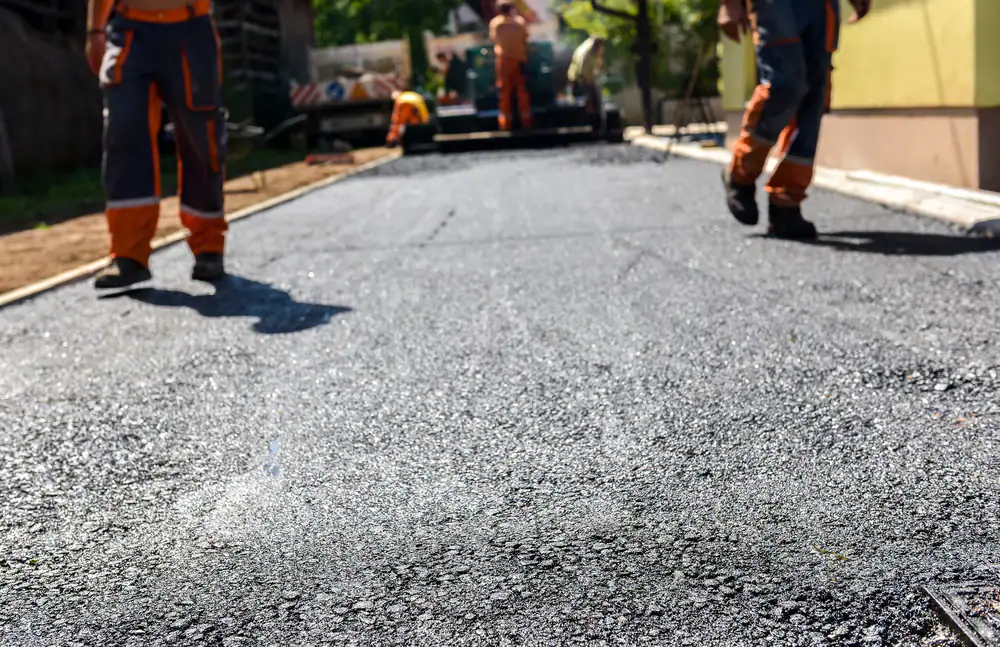
Then the asphalt goes down. For standard paving, hot asphalt is applied at the right temperature and thickness for your needs—typically 2 to 3 inches for residential driveways, more for commercial lots with heavy traffic. It’s compacted with proper equipment to eliminate air pockets and create a smooth, dense surface. For tar and chip installations, liquid asphalt is applied first, then stone aggregate is spread and compacted for a textured, durable finish that’s popular in rural areas.
After installation, the surface needs time to cure. You’ll typically wait 24 to 48 hours before driving on new asphalt. Once it’s fully set, you’ve got a surface that’s ready for years of use—especially if you stay on top of basic maintenance like sealcoating every few years.

Ready to get started?
Residential driveway paving in Vesta includes full site evaluation, proper grading and base preparation, quality asphalt installation, and a finished surface that enhances your home’s appearance and value. You’re looking at a driveway that handles daily vehicle traffic, resists Tennessee’s weather patterns, and gives you a smooth surface that makes your property look well-maintained.
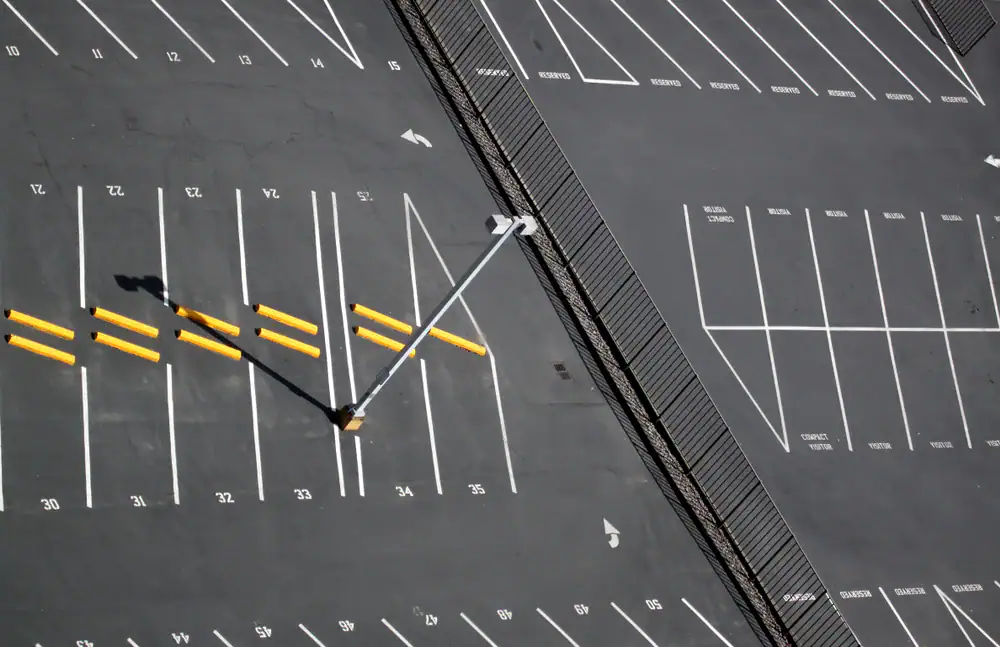
Commercial parking lot paving covers everything from small business lots to large multi-space installations. This includes ADA-compliant design, proper drainage solutions, durable asphalt that handles heavy traffic, and striping for organized parking flow. For businesses in Vesta and Wilson County, your parking lot is often the first thing customers see—it needs to be safe, functional, and professional-looking.
Tar and chip paving offers a cost-effective alternative that’s especially popular for longer driveways and rural properties around Vesta. The process creates a textured surface with excellent traction, a rustic appearance that fits the area’s character, and typically costs less than traditional asphalt. With proper installation, tar and chip surfaces last 7 to 15 years and provide a durable option for homeowners who want quality without the premium price tag.
Our asphalt paving services in the Vesta area also account for local factors—Wilson County’s clay-heavy soil that affects drainage, the area’s humidity that impacts curing times, and seasonal temperature swings that require quality materials. These aren’t just generic paving jobs. They’re installations designed specifically for Middle Tennessee conditions.
With proper installation and regular maintenance, asphalt paving in Vesta typically lasts 20 to 30 years. The key word there is “proper installation”—if the base isn’t prepared correctly or drainage issues aren’t addressed, you’ll see problems much sooner.
Tennessee’s climate does put stress on pavement. Freeze-thaw cycles in winter cause expansion and contraction. Summer heat and humidity affect the asphalt’s flexibility. Heavy rain tests your drainage. But when the work is done right from the start, asphalt handles all of it.
Maintenance extends that lifespan significantly. Sealcoating every 2 to 3 years protects the surface from UV damage, water penetration, and oxidation. Filling cracks when they’re small prevents them from spreading. Addressing drainage issues before they cause major damage saves you from premature replacement. You’re not looking at constant repairs—just basic upkeep that any pavement needs.
Asphalt paving uses hot-mix asphalt that’s laid down in layers, compacted, and creates a smooth, dark surface. Tar and chip (also called chip seal) applies liquid asphalt first, then spreads stone chips on top and compacts them into the tar. The result is a textured, lighter-colored surface.
For cost, tar and chip typically runs less than traditional asphalt—making it popular for longer driveways in rural areas around Vesta. It also provides excellent traction, which is useful on sloped driveways or areas that might ice over in winter. The textured appearance has a more rustic look that many homeowners prefer for country properties.
The trade-off is lifespan and maintenance. Asphalt generally lasts longer (20-30 years versus 7-15 for tar and chip) and requires less frequent maintenance. Tar and chip may need periodic reapplication of stone chips as they wear. But for many Vesta homeowners, especially those with longer driveways where asphalt costs would be prohibitive, tar and chip offers a durable, cost-effective solution that still provides years of reliable service.
Driveway paving costs in Vesta typically range from $5 to $12 per square foot for asphalt installation, depending on site conditions, material choices, and project complexity. A standard two-car driveway of around 600 square feet would run roughly $3,000 to $7,200 for complete installation.
Several factors affect the final price. If your property needs significant grading or drainage work, that adds to the cost. Thicker asphalt for heavy vehicles costs more than standard residential thickness. Access issues, like a steep slope or difficult site access, can increase labor costs. Tar and chip installations generally cost less—often $4 to $9 per square foot—making them an attractive option for larger driveways.
What you’re really paying for is the base preparation, quality materials, and professional installation that ensures your driveway lasts decades instead of failing in a few years. Cheap paving jobs that skip proper base work or use substandard materials might save you money upfront, but you’ll pay for it later in repairs and early replacement. Getting accurate pricing means having someone evaluate your specific property and give you a detailed estimate based on what your site actually needs.
Yes, sealcoating your asphalt driveway in Tennessee is one of the most important maintenance steps you can take. The process should be done about six months after initial installation, then every 2 to 3 years after that. This isn’t optional maintenance if you want your driveway to last its full lifespan.
Tennessee’s climate is tough on asphalt. UV rays from intense summer sun break down the asphalt binders. Humidity and frequent rain cause water penetration that weakens the base. Freeze-thaw cycles in winter expand any cracks that have formed. Sealcoating creates a protective barrier against all of these threats—it blocks UV damage, prevents water intrusion, and fills minor surface imperfections before they become cracks.
The cost is minimal compared to what you’ll spend on major repairs or early replacement. Sealcoating typically runs $2 to $7 per square foot depending on the condition of your driveway and the product used. For a standard driveway, you’re looking at a few hundred dollars every few years to protect a multi-thousand-dollar investment. Skip it, and you’ll see accelerated deterioration, more frequent crack filling, and a driveway that needs replacement years earlier than it should.
Sometimes yes, sometimes no—it depends entirely on the condition of your existing driveway. If the current surface is structurally sound with only minor surface damage, an asphalt overlay can be a cost-effective solution. But if there are major cracks, drainage issues, or base failure, overlaying just covers up problems that will resurface quickly.
A proper evaluation looks at several factors. Are there widespread cracks or potholes? That usually indicates base problems that overlay won’t fix. Is water pooling on the surface? That’s a drainage issue that needs to be addressed, not covered. Is the existing pavement sinking or showing signs of base failure? You can’t overlay a failing foundation and expect good results.
When overlay does make sense—like a driveway with minor surface wear but a solid base—it offers real benefits. You save on demolition and disposal costs. The project typically goes faster. And you get a fresh surface that extends your driveway’s life for years. But trying to save money with an overlay when you actually need full replacement just means you’ll be paying for the work twice. An honest evaluation tells you which approach makes sense for your specific situation.
Experience in the local area is the first thing to verify. A contractor who’s been working in Wilson County for years understands the soil conditions, drainage challenges, and climate factors that affect paving here. They know what works and what doesn’t in Middle Tennessee. Someone who just showed up from out of state doesn’t have that knowledge.
Ask about their process for base preparation and drainage. This is where most paving failures happen—contractors who rush the base work or ignore drainage issues. A quality contractor will evaluate your site, explain what base preparation is needed, and address drainage before any asphalt goes down. If they’re not talking about these things, that’s a red flag.
Get detailed, written estimates that break down the work. You should see line items for base preparation, materials, labor, and any additional services like grading or drainage work. Vague estimates or prices that seem too good to be true usually mean corners will be cut somewhere. Also verify they’re properly insured—you don’t want liability if someone gets hurt on your property during the job.
Finally, ask about the timeline and what happens after installation. When will they start? How long will it take? What’s the curing process? What maintenance will you need? A professional contractor answers these questions clearly and stands behind their work. That’s what separates companies who’ll be around for decades from the ones who disappear after collecting payment.
Other Services we provide in Vesta