

Hear from Our Customers
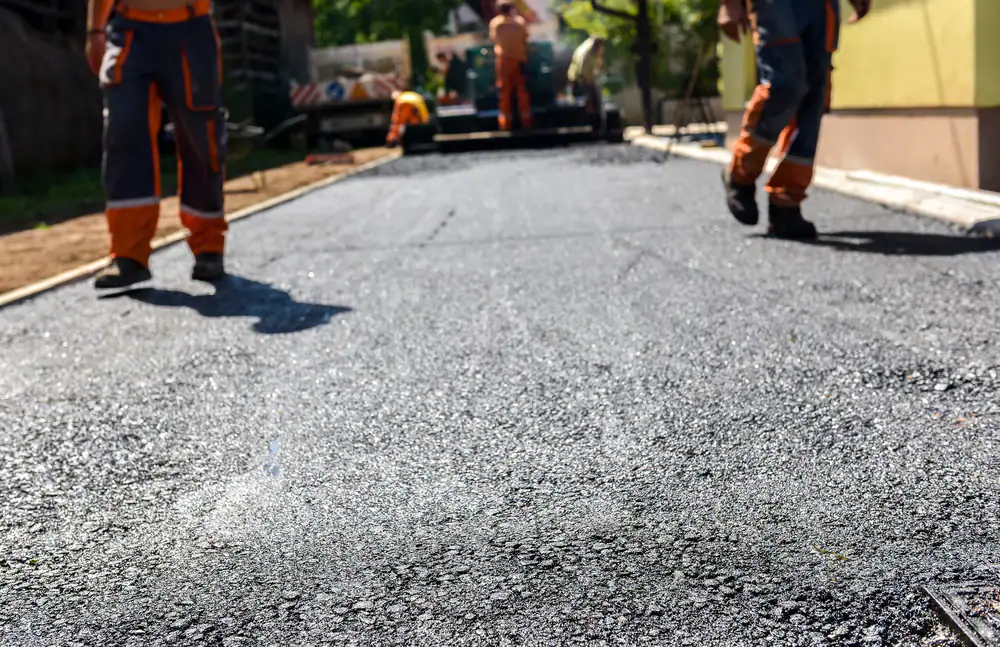
Your driveway shouldn’t crack after one winter. Your parking lot shouldn’t pool water every time it rains. And you shouldn’t have to wonder if the job was done right.
When asphalt is installed correctly—with proper base preparation, grading for drainage, and materials that match Tennessee’s climate—it lasts. You get a smooth surface that holds up to daily use, looks clean, and doesn’t cost you thousands in repairs two years later.
That’s what matters. Not the sales pitch. Not the promises. The actual work—done by people who’ve been doing this for decades and know what Wilson County soil and weather will do to a poorly prepped base.
We’re a veteran-owned asphalt paving company that’s been serving Silver Springs and Wilson County for over 50 years. We handle both residential driveways and commercial parking lots throughout the Nashville area.
Being based in Wilson County means understanding how local soil drains, how summer humidity affects curing, and what freeze-thaw cycles do to asphalt that wasn’t installed with the right base depth. It also means being available when you need follow-up or have questions.
We focus on durable results and straightforward communication. No upselling. No disappearing after the deposit clears. Just quality paving work backed by decades of experience in this specific area.

The process starts with a site evaluation. We assess your property, discuss what you need, and examine soil conditions and drainage. This step determines whether you need additional base work or if the existing foundation is solid enough.
Next comes base preparation. The area gets graded and compacted to create a stable foundation. Poor base prep is why most driveways fail early—water seeps in, the base shifts, and cracks appear within a year or two. Proper compaction prevents that.
Then the asphalt gets applied. Hot asphalt is laid evenly across the prepared base, whether it’s a residential driveway or a commercial parking lot. For tar and chip paving, liquid asphalt is applied first, then aggregate stone is distributed and compacted into the surface.
Finally, everything gets compacted and left to cure. Proper compaction ensures the surface is dense and stable. Curing time depends on weather, but you’ll typically need to stay off new asphalt for 24 to 48 hours. After that, you’ve got a durable surface built to handle Tennessee weather.

Ready to get started?
We handle asphalt paving for driveways, parking lots, and commercial properties across Silver Springs. Residential services include new driveway installation, driveway replacement, and tar and chip paving for homeowners who want a cost-effective, rustic-looking surface with excellent traction.
Commercial paving covers parking lot construction, resurfacing, and repairs. Businesses in Wilson County need parking areas that can handle daily traffic, drainage from Tennessee rainstorms, and temperature swings without developing potholes or cracks. Commercial work also includes proper grading to meet ADA requirements and prevent water pooling that damages the base.
Tar and chip paving is popular in Silver Springs for longer driveways and rural properties. It costs less than traditional asphalt, provides better traction, and holds up well in Tennessee’s climate. The process involves applying hot liquid asphalt and then spreading aggregate stone, which gets compacted into the surface. It typically lasts 10 to 15 years with proper maintenance.
All services include site evaluation, base preparation, proper drainage planning, and quality materials designed to withstand Wilson County’s weather patterns. Whether it’s a 600-square-foot residential driveway or a multi-space commercial parking lot, the process focuses on long-term durability and performance.

Properly installed asphalt paving in Silver Springs typically lasts 15 to 30 years, depending on installation quality, usage, and maintenance. Tennessee’s climate—hot summers, cold winters, freeze-thaw cycles—puts stress on asphalt, so the installation process matters more here than in milder climates.
The base preparation is critical. If the base isn’t properly graded and compacted, water will seep underneath, erode the foundation, and cause premature cracking. Wilson County soil and drainage patterns require contractors who understand local conditions.
Maintenance extends lifespan significantly. Sealcoating every 2 to 3 years protects asphalt from UV damage, water infiltration, and temperature-related cracking. Filling cracks promptly prevents water from reaching the base. Neglected asphalt might last 10 years. Well-maintained asphalt can easily hit 25 to 30 years before needing replacement.
Asphalt paving uses a pre-mixed hot asphalt material that’s laid and compacted to create a smooth, black surface. It’s ideal for driveways, parking lots, and roads where you want a clean, uniform appearance. Asphalt costs more upfront but provides a sleek finish that’s easy to maintain with sealcoating.
Tar and chip paving applies hot liquid asphalt (tar) to a prepared base, then spreads aggregate stone (chips) over the surface and compacts everything together. The result is a textured, rustic-looking surface with excellent traction. It costs less than traditional asphalt and works well for longer driveways, rural roads, and properties where the natural stone appearance fits the landscape.
Both methods are durable in Tennessee’s climate. Tar and chip typically lasts 10 to 15 years, while asphalt can last 15 to 30 years with proper maintenance. The choice often comes down to budget, aesthetic preference, and property type. Many Silver Springs homeowners with longer driveways choose tar and chip for cost savings, while those wanting a smoother, more polished look go with traditional asphalt.
Driveway paving costs in Silver Springs typically range from $2 to $4.50 per square foot for asphalt, depending on the project size, site conditions, and material thickness. A standard 600-square-foot driveway usually runs between $1,700 and $2,000 for basic asphalt installation. Larger driveways or those requiring significant base work cost more.
Several factors affect pricing. If your existing driveway needs to be removed, that adds to the cost. Poor drainage or unstable soil requires additional base preparation. Steep grades, difficult access, or complex layouts increase labor time. Material costs also fluctuate based on current asphalt prices in the Nashville area.
Tar and chip paving costs less—usually 30 to 40 percent cheaper than traditional asphalt—making it a popular choice for longer driveways. Commercial parking lot paving runs higher per square foot because it requires thicker asphalt layers (4 to 6 inches versus 2 to 3 inches for residential) and more extensive base preparation to handle heavier traffic. The best approach is getting a site evaluation so you know exactly what your property needs and what it’ll cost.
The best time for asphalt paving in Tennessee is late spring through early fall, when temperatures consistently stay above 50 degrees during the day and above 40 degrees at night. Warm, dry weather allows asphalt to cure properly and reach full strength.
Cold weather causes problems. When temperatures drop below 40 degrees, asphalt cools too quickly during installation, making it difficult to achieve proper compaction. That leads to a weaker surface that’s more prone to cracking and premature failure. Rain and moisture also interfere with bonding and curing.
Summer heat works well for installation, but extreme temperatures above 95 degrees can make freshly laid asphalt too soft, causing tire marks or surface distortion if vehicles drive on it too soon. Mid-range temperatures—between 60 and 85 degrees—are ideal for paving in Silver Springs.
Tennessee’s unpredictable weather means planning ahead matters. If you’re scheduling a paving project, aim for April through October and watch the forecast. Contractors familiar with Wilson County weather patterns know how to time projects and adjust techniques when conditions aren’t perfect. After installation, you’ll need to stay off the new asphalt for 24 to 48 hours to allow proper curing.
Maintaining your asphalt driveway in Silver Springs starts with sealcoating every 2 to 3 years. Sealcoating creates a protective barrier against water, UV rays, oil spills, and temperature fluctuations. It’s the single most effective way to extend your driveway’s lifespan and avoid costly repairs.
Fill cracks as soon as they appear. Small cracks let water seep into the base, especially during Tennessee’s freeze-thaw cycles. Water expands when it freezes, widening cracks and causing bigger problems. Catching cracks early with crack filler prevents them from turning into potholes or requiring full sections to be replaced.
Keep the surface clean. Sweep away leaves, dirt, and debris regularly, especially in fall. Organic material traps moisture against the asphalt, accelerating deterioration. Remove oil and gas spills quickly—petroleum products break down asphalt binders over time.
Avoid heavy loads on the edges. Asphalt edges are the weakest points. Parking heavy vehicles or equipment on the edges can cause crumbling and cracking. If you notice edge damage, address it before it spreads. Proper maintenance can double your driveway’s lifespan, turning a 15-year surface into a 25 to 30-year investment.
Permit requirements for driveway paving in Wilson County depend on the scope of work and whether your project affects drainage, right-of-way access, or connects to public roads. In many cases, repaving an existing driveway in the same footprint doesn’t require a permit, but expanding your driveway, changing drainage patterns, or adding new access points often does.
If your driveway connects to a county road or state highway, you’ll likely need approval from the Tennessee Department of Transportation or Wilson County Public Works. They’ll want to ensure proper drainage, sight lines, and that your driveway entrance meets safety standards.
Commercial paving projects almost always require permits, especially if the work involves grading, stormwater management, or ADA-compliant parking spaces. Local building codes dictate requirements for drainage infrastructure, parking lot layouts, and accessibility features.
The safest approach is checking with Wilson County’s building department before starting any paving work. We know permit requirements and can often handle the paperwork as part of the project. Skipping permits when they’re required can result in fines, project delays, or being forced to remove non-compliant work—all far more expensive than getting proper approval upfront.
Other Services we provide in Silver Springs