

Hear from Our Customers
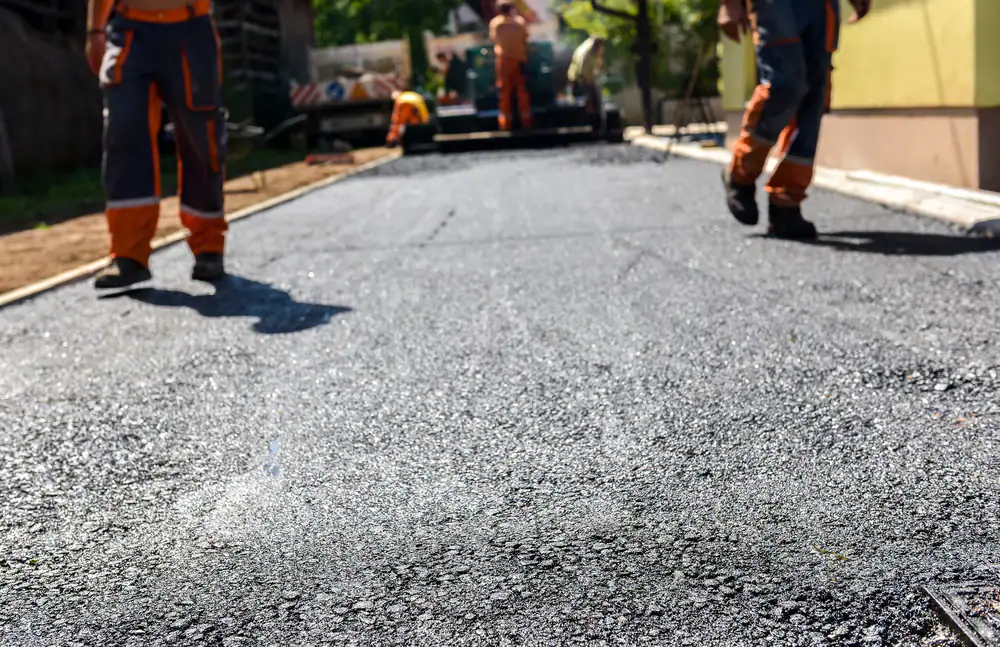
Your driveway doesn’t just look better. It drains properly, so water doesn’t pool near your foundation or turn into ice patches every winter. The surface is smooth enough that you’re not dodging potholes or worrying about tripping hazards when guests pull in.
You’re not calling someone back in two years because cracks are already spreading. With proper base preparation and quality materials, you’re looking at 20 to 30 years of solid performance—not a temporary fix that falls apart after the first freeze-thaw cycle.
Whether it’s asphalt paving for your home or a commercial parking lot that needs to handle daily traffic, the result is the same: a surface that works, lasts, and doesn’t become your problem again next season.
We’ve been serving Wilson County for over 50 years. That’s five decades of understanding how Tennessee soil shifts, how freeze-thaw cycles affect pavement, and what it actually takes to install a driveway that doesn’t fall apart.
We’re a veteran-owned company, which means the work ethic isn’t just talk. We handle both residential driveway paving and commercial paving projects across Round Top and the surrounding Nashville area. From small home driveways to larger parking lot construction, we know what we’re doing.
Round Top sits in an area where properties range from suburban homes to more rural settings. We offer both traditional asphalt and tar and chip paving, so you’re not locked into one option. You get what actually fits your property and budget.

First, the site gets assessed. That means looking at drainage, grading, and the existing base. If water’s pooling now, it’ll pool worse after paving unless the grade is corrected. This step matters more than most people realize.
Next comes base preparation. The ground is graded and compacted, sometimes with a layer of crushed stone added for stability. This is the foundation everything else sits on. Skipping this or doing it poorly is how you end up with cracks and sinkholes within a few years.
Then the asphalt gets laid. It’s applied hot and compacted with heavy equipment to create a smooth, dense surface. For tar and chip paving, a layer of hot liquid asphalt is sprayed first, followed by stone chips that are rolled into the surface. Both methods work—they just serve different needs and budgets.
After installation, you wait 24 to 48 hours before driving on new asphalt. That’s it. No complicated curing process, no weeks of waiting. You get a driveway or parking lot that’s ready to use and built to handle what Tennessee throws at it.

Ready to get started?
When we handle a project in Round Top, TN, you’re getting more than just asphalt dumped on the ground. The process includes site evaluation, proper grading for drainage, base preparation with compacted stone if needed, and professional installation using quality materials.
For residential paving, that means driveways designed to last decades with minimal maintenance. Proper slope prevents water from sitting against your foundation. The right thickness handles your vehicles without rutting or cracking. And if tar and chip paving makes more sense for a longer rural driveway, that option’s on the table too.
Commercial paving projects get the same attention. Parking lot construction for businesses needs to handle heavier traffic, meet ADA requirements, and maintain a professional appearance. We work with businesses across Wilson County to minimize disruption—nobody wants their lot torn up during peak hours. The goal is a smooth, durable surface that customers and employees can count on.
Round Top’s location in Wilson County means dealing with Tennessee’s temperature swings. Asphalt’s flexibility handles freeze-thaw cycles better than rigid materials that crack under stress. And because asphalt is dark, it absorbs heat and melts snow faster in winter—a practical advantage that concrete doesn’t offer.
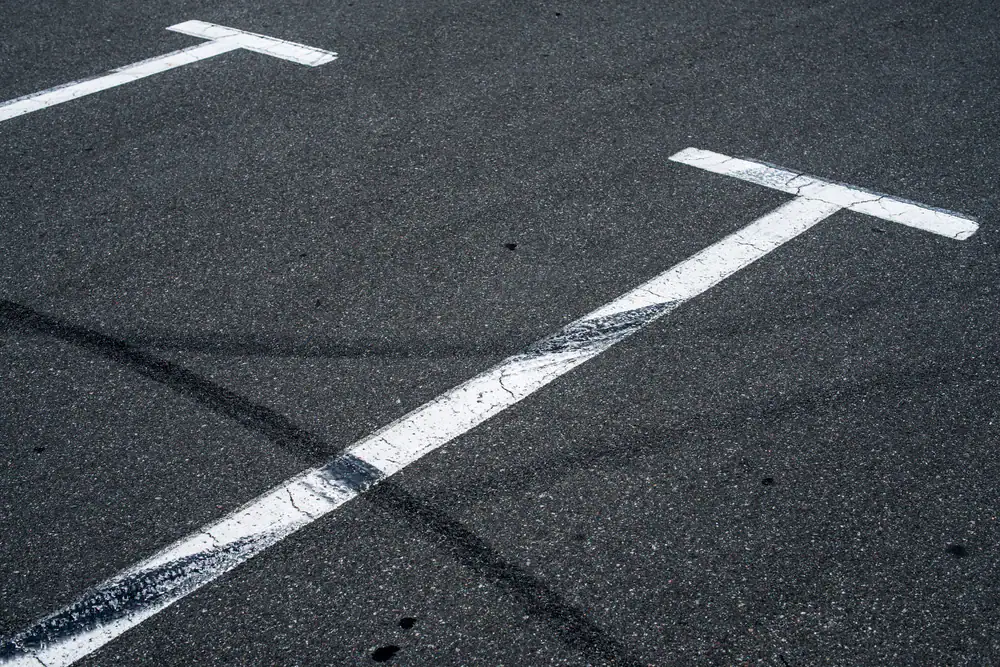
With proper installation and maintenance, asphalt driveways and parking lots last 20 to 30 years in Tennessee. The key word there is “proper installation.” If the base isn’t prepared correctly or drainage isn’t addressed, you’ll see problems much sooner.
Tennessee’s climate puts stress on pavement. Hot summers, cold winters, and freeze-thaw cycles all take a toll. Asphalt handles this better than concrete because it’s flexible—it expands and contracts without cracking as easily. But you still need to seal it every few years to protect against water infiltration and UV damage.
Tar and chip paving has a shorter lifespan—usually 7 to 10 years, sometimes up to 15 with good maintenance. It’s a budget-friendly option that works well for rural driveways around Round Top and properties where a rustic look fits. The tradeoff is you’ll need to add another layer sooner than you would with traditional asphalt.
Asphalt paving creates a smooth, black surface. It’s installed by laying hot asphalt mix and compacting it with heavy rollers. You get a clean, finished look that’s common for driveways and parking lots. It lasts longer—20 to 30 years—but costs more upfront and requires periodic sealcoating.
Tar and chip paving uses hot liquid asphalt as a base, then stone chips are spread on top and rolled in. The result is a textured, gravel-like surface that costs 30 to 40 percent less than traditional asphalt. It doesn’t need sealcoating, and the rough texture provides excellent traction in wet conditions. The downside is it doesn’t last as long—usually 7 to 10 years.
For Round Top properties, the choice often comes down to budget and setting. Tar and chip works great for longer rural driveways or farm lanes where a rustic look fits. Asphalt makes more sense for suburban homes, commercial properties, or anywhere you want that smooth, polished finish. Both are solid options—it just depends on what you’re after.
Costs vary based on size, site conditions, and the type of paving you choose. Asphalt typically runs $2.50 to $4.50 per square foot, so a standard two-car driveway might range from $2,300 to $10,000 depending on length and prep work needed. Tar and chip paving costs less—usually $2 to $5 per square foot.
What affects the price in Wilson County? If your site needs significant grading or drainage work, that adds to the cost. If there’s an old driveway that needs removal, that’s extra labor. Thicker asphalt costs more but lasts longer, especially if you’re parking heavier vehicles.
We provide free estimates, so you’re not guessing. We’ll assess your property in Round Top, explain what’s needed, and give you an upfront number. No surprise charges later. The goal is to give you a driveway that fits your budget and actually lasts—not the cheapest option that falls apart in three years.
Yes, but not right away. Wait six months to a year after installation before applying the first sealcoat. After that, plan to reseal every two to three years. Sealcoating protects asphalt from water, UV rays, and chemicals like oil or gas that can break down the surface.
Tennessee weather makes sealing even more important. Water seeps into small cracks, freezes in winter, expands, and makes those cracks worse. Sealcoating fills in minor imperfections and creates a protective barrier that keeps water out. It also restores that dark black color and makes your driveway look newer.
Skipping sealcoating doesn’t mean your driveway will fail immediately, but it does shorten its lifespan. You might get 15 years instead of 25. For the relatively low cost of sealing every few years, it’s worth protecting your investment. Tar and chip driveways don’t need sealcoating—that’s one of their advantages for Round Top homeowners looking for lower maintenance.
Most residential driveway paving projects in Round Top take one to two days, depending on size and complexity. If significant prep work is needed—like regrading for drainage or removing an old driveway—that can add time. But the actual paving itself is usually done in a day.
For tar and chip driveways, the process is often faster because there’s less heavy equipment involved. Commercial parking lots take longer, especially larger projects, but we work to minimize disruption to your business operations across Wilson County.
After the asphalt is laid, you need to wait 24 to 48 hours before driving on it. That gives it time to cool and harden properly. You can walk on it sooner, but keep vehicles off until it’s fully set. The timeline is straightforward—no weeks of waiting or complicated curing schedules.
Water is asphalt’s biggest enemy. If your driveway or parking lot doesn’t drain properly, water pools on the surface or seeps underneath. That weakens the base, leads to cracking, and creates potholes. In winter, standing water freezes and expands, making everything worse.
Proper grading ensures water flows away from the pavement and away from your foundation. Even a slight slope—usually one to two percent—is enough to keep water moving. If the ground isn’t graded correctly before paving, you’ll have problems no matter how good the asphalt is.
This is why site preparation matters so much for Round Top properties. We assess drainage during the initial evaluation. If water’s pooling now, it needs to be fixed before any paving happens. Skipping this step to save money upfront just means you’ll pay more later when the pavement fails prematurely. Getting it right the first time is always cheaper in Wilson County’s climate.
Other Services we provide in Round Top