

Hear from Our Customers
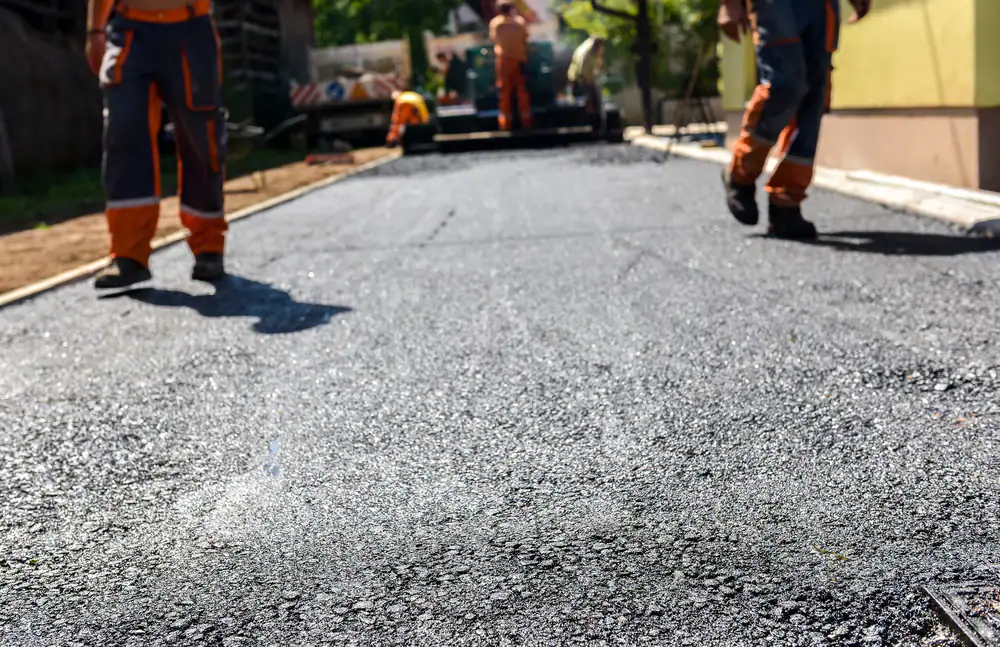
You pull up to a smooth surface that doesn’t crack after one winter. Your customers notice the difference when they park. Your property value goes up because the first thing people see actually looks like you care about it.
That’s what happens when asphalt paving is done by people who’ve been doing it long enough to know the difference between a quick fix and work that lasts. You’re not patching the same spots every year. You’re not explaining to visitors why your driveway looks like a war zone.
The right paving contractor handles the prep work that most people skip. Proper grading. Solid base. Materials that match what your property actually needs, not just what’s cheapest. When it’s done, you’ve got pavement that handles Tennessee weather without falling apart.
TriStar Paving is a veteran-owned asphalt paving company based right here in Wilson County. We bring over 50 years of combined experience to every driveway, parking lot, and paving project in LaGrange and the surrounding Nashville area.
This isn’t a crew that just showed up last year. We’ve seen what works in Tennessee soil and what fails when the weather turns. We know the difference between a driveway that needs a full replacement and one that just needs resurfacing.
Whether it’s a residential driveway that’s finally had enough or a commercial parking lot that’s turning customers away, we handle both. Local, accessible, and more interested in doing it right than doing it twice.
First, the site gets evaluated. Not every project needs the same approach. Sometimes you need complete removal and replacement. Sometimes an overlay works. Sometimes tar and chip makes more sense than asphalt. You’ll know what you’re getting and why before any equipment shows up.
Next comes preparation. The existing surface gets removed if needed. The base gets graded properly so water drains where it should instead of pooling on your new pavement. This is the part that separates work that lasts from work that cracks in six months.
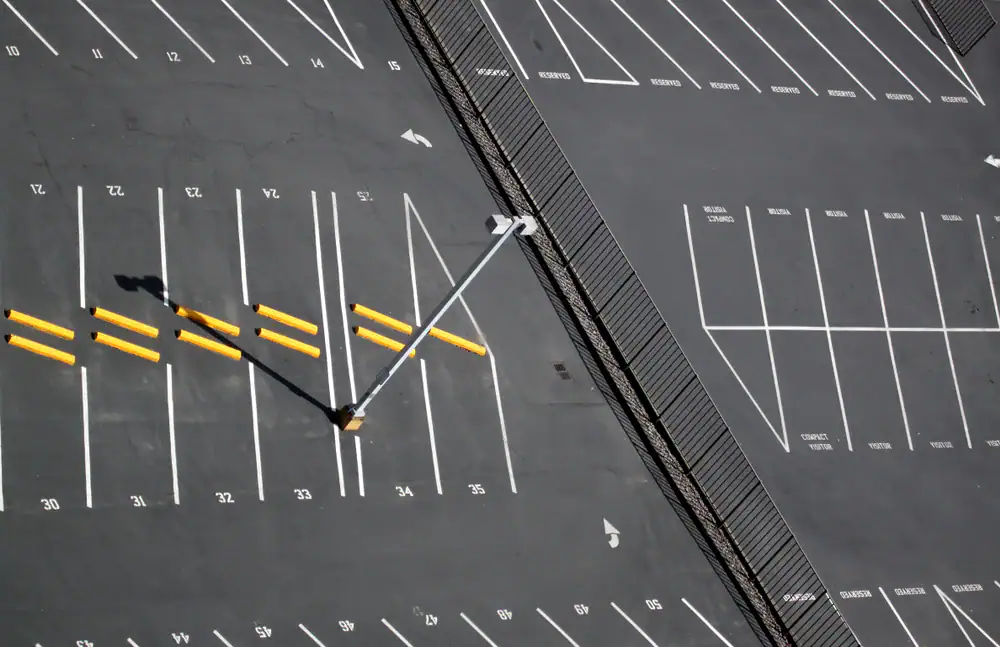
Then the paving happens. The right thickness of asphalt for your specific use. Proper compaction. Attention to edges and transitions. For parking lots, that includes striping and marking once everything’s cured.
After installation, you’ll get guidance on when to seal it and how to maintain it. Asphalt needs sealcoating down the road, but if it’s installed right, you’re looking at years before major maintenance.

Ready to get started?
We handle asphalt paving for driveways and parking lots across residential and commercial properties in LaGrange and Wilson County. That includes new installations where nothing exists, replacements where the old surface is beyond repair, and resurfacing when the base is still solid.
For driveways, you’re getting proper excavation and grading, a compacted base layer, and asphalt thickness appropriate for regular vehicle use. Tar and chip is available as an alternative that holds up well on residential drives and costs less than traditional asphalt.
Commercial parking lot paving means dealing with heavier loads and more traffic. The base preparation is more intensive. The asphalt is thicker. Line striping and ADA-compliant markings are part of the package. The goal is a parking lot that handles your customer volume without developing ruts or cracks that make your business look neglected.
In this part of Tennessee, drainage matters. Wilson County gets its share of rain, and pavement that doesn’t drain properly won’t last. Every project includes grading that moves water away from structures and prevents pooling that leads to premature deterioration.
A properly installed asphalt driveway in Tennessee typically lasts 15 to 20 years, sometimes longer with proper maintenance. The lifespan depends heavily on three things: how well the base was prepared, the thickness of the asphalt, and whether you keep up with sealcoating.
Tennessee weather is hard on asphalt. You get freeze-thaw cycles in winter and intense heat in summer. If the base wasn’t graded correctly or the asphalt is too thin, you’ll see cracking within a few years. But when it’s done right with proper drainage and adequate thickness, you’re looking at decades of use.
Sealcoating every three to five years makes a significant difference. It protects against UV damage, water penetration, and oil stains. Skip it, and you’ll cut years off the life of your driveway. Keep up with it, and you’ll get the full lifespan and then some.
It depends on what’s happening below the surface. If the base is still solid and the damage is mostly surface-level cracking or wear, resurfacing works and costs significantly less. If you’ve got deep potholes, major settling, or drainage problems, you need full replacement.
Resurfacing means adding a new layer of asphalt over the existing pavement. It’s faster and cheaper, but it only works if the foundation is sound. If water is getting underneath and causing the base to shift, a new surface layer won’t fix that. You’ll just be covering up a problem that will come back.
Full replacement involves removing the old asphalt, addressing any base issues, regrading for proper drainage, and installing new pavement. It costs more upfront but gives you another 15 to 20 years instead of just buying a few more years with resurfacing. We’ll tell you honestly which one you actually need.
Asphalt is a smooth, dense surface made of aggregate mixed with liquid asphalt and compacted with heavy rollers. Tar and chip is a layer of liquid asphalt covered with loose stone chips that get pressed into the surface. They look different, cost different, and work better in different situations.
Tar and chip costs less than traditional asphalt and has a more rustic appearance that some homeowners prefer. It provides good traction and handles freeze-thaw cycles well. The downside is it’s not as smooth, the loose stone can scatter until it’s fully set, and it’s not ideal for high-traffic areas or heavy vehicles.
Asphalt gives you a smooth, durable surface that’s easier to plow in winter and better for areas with regular heavy use. It costs more upfront but lasts longer under demanding conditions. For residential driveways with light to moderate use, tar and chip works great. For commercial parking lots or driveways with heavy trucks, asphalt is the better choice.
Driveway paving costs in the LaGrange and Wilson County area typically run between $7 and $15 per square foot for asphalt, depending on the scope of work. A standard two-car driveway of about 600 square feet usually falls in the $4,000 to $9,000 range for a complete installation.
The price depends on whether you need full removal and replacement or just an overlay, how much grading and base work is required, the thickness of asphalt needed, and site accessibility. If you’re starting from scratch with no existing driveway, expect to pay more because of the base preparation involved.
Resurfacing an existing driveway costs less, usually $2 to $4 per square foot, because you’re not removing the old surface or rebuilding the base. Tar and chip runs cheaper than traditional asphalt. The only way to get an accurate number is to have someone look at your specific property, but those ranges give you a realistic starting point for budgeting.
It depends on the scope of work and whether your driveway connects to a public road. In most cases, replacing an existing driveway in the same footprint doesn’t require a permit. But if you’re adding a new driveway, expanding the width, or changing the access point to a county road, you’ll likely need approval from Wilson County.
Any work that affects drainage, especially if it changes how water flows onto neighboring properties or public rights-of-way, may require permits. If your property is part of a homeowners association, they might have their own approval process separate from county requirements.
We know the local regulations and can tell you what’s needed for your specific project. We’ve dealt with Wilson County permitting before and know when you need approval and when you don’t. It’s worth asking upfront so you’re not surprised halfway through the project.
Late spring through early fall is ideal for asphalt paving in Tennessee. Asphalt needs warm temperatures to cure properly, and you want to avoid paving when the ground is frozen or when heavy rain is likely. Most paving companies are busiest from April through October.
Summer is peak season because the heat helps asphalt compact and cure correctly. But it’s also when paving contractors are most booked up, so you’ll want to schedule ahead. Early fall works well too, as long as you’re done before temperatures start dropping consistently below 50 degrees at night.
Winter paving is possible in Tennessee but not ideal. Cold temperatures prevent proper compaction and curing, which can lead to premature cracking and failure. If you need emergency paving during colder months, it can be done, but plan on scheduling major driveway or parking lot projects for warmer weather when the asphalt will perform the way it’s supposed to.
Other Services we provide in Laguardo