

Hear from Our Customers
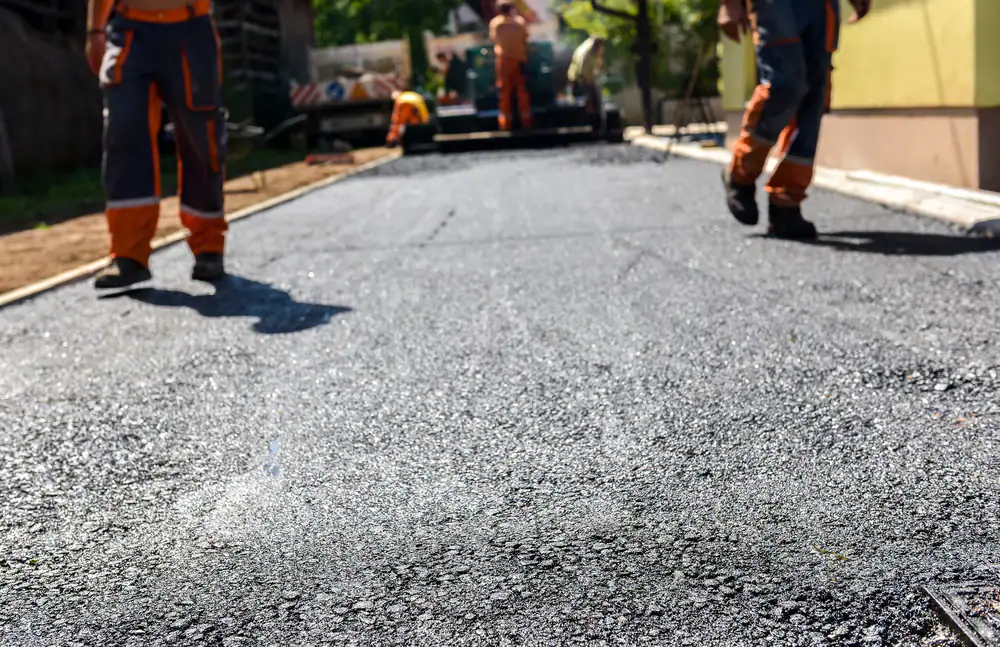
You need pavement that doesn’t crack after the first winter or develop potholes before you’ve finished paying for it. That’s what proper installation looks like—smooth surfaces that drain correctly, bases that don’t shift, and asphalt that stands up to freeze-thaw cycles year after year.
When your driveway looks clean and level, it changes how your property feels. No more apologizing for the rough entrance or worrying about liability in your parking lot. Just solid pavement doing its job without demanding your attention.
We handle residential driveway paving and commercial parking lot paving across Charlotte, TN with the same approach: prepare the base right, use quality materials, and compact everything properly. The result is pavement that actually earns its keep.
TriStar Paving LLC brings over 50 years of combined paving experience to Charlotte, TN and the surrounding Nashville area. As a veteran-owned asphalt paving company based in Wilson County, Tennessee, we understand what it means to show up, do the work right, and stand behind results.
We’ve paved driveways for homeowners who need curb appeal and parking lots for businesses that can’t afford downtime. Our work spans residential and commercial projects because the fundamentals don’t change—proper grading, solid base preparation, and quality asphalt installation.
Charlotte sits in Dickson County, where seasonal temperature swings and rainfall patterns demand paving contractors who understand local conditions. We know how Tennessee weather affects pavement and build accordingly.

First comes site evaluation. Our crew assesses drainage patterns, soil stability, and grading requirements. This determines base depth and preparation needs. Skipping this step causes most pavement failures.
Next is excavation and base installation. Existing material gets removed to proper depth. A crushed aggregate base goes in, then gets compacted in layers. This foundation determines how long your pavement lasts.
Then comes asphalt application. Hot mix asphalt arrives at the correct temperature and gets spread to specified thickness. Proper compaction happens while the material is still hot. Edges get finished, and transitions to existing surfaces get sealed.
Final steps include allowing proper cure time before heavy use. New asphalt needs 24-48 hours before regular traffic and several days before heavy vehicles. Rushing this causes surface damage that shortens pavement life.

Ready to get started?
Professional asphalt paving in Charlotte, TN covers more than just laying blacktop. It includes site preparation with proper grading to prevent water pooling. Base installation uses crushed stone compacted to density specifications. Asphalt gets applied at the right thickness for your traffic load—residential driveways typically need 2-3 inches over a 4-6 inch base, while commercial parking lots often require heavier sections.
Driveway paving projects include transitions to existing concrete, garage aprons, and proper pitch for drainage away from structures. Parking lot paving adds considerations like ADA-compliant spaces, traffic flow patterns, and striping once the surface cures.
Tar and chip paving offers an alternative surface treatment that works well for long driveways and rural applications in Charlotte, TN. This process applies liquid asphalt followed by stone chips, creating a textured surface that costs less than traditional asphalt while providing good traction and rustic appearance.
Maintenance services like sealcoating extend pavement life by protecting against UV damage, water infiltration, and oxidation. Applied every 2-3 years, sealcoating can double the service life of asphalt in Tennessee’s climate.
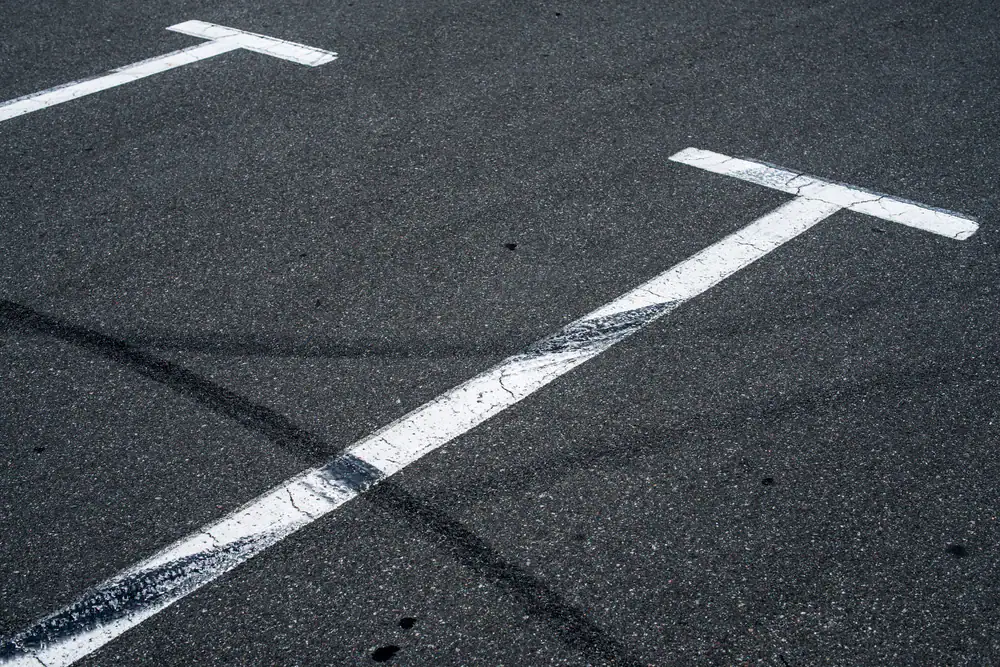
Properly installed asphalt typically lasts 15-20 years in Charlotte, TN with regular maintenance. The lifespan depends on base preparation quality, asphalt thickness, traffic load, and how well you maintain it. Tennessee’s freeze-thaw cycles stress pavement, so proper drainage and a solid base are critical.
Residential driveways with light traffic and regular sealcoating often reach 20+ years. Commercial parking lots with heavy traffic might need resurfacing after 12-15 years. The key difference is almost always installation quality—cheap paving with inadequate base preparation fails in 5-7 years regardless of maintenance.
Regular sealcoating every 2-3 years protects the surface and extends life significantly. Addressing cracks promptly prevents water infiltration that destroys the base. Your pavement’s longevity is an investment in proper installation and consistent upkeep.
Asphalt paving uses hot mix asphalt—a blend of aggregate and liquid asphalt—spread and compacted into a smooth, dense surface. It provides a clean, finished look and works well for driveways and parking lots. Tar and chip applies liquid asphalt to a prepared base, then covers it with stone chips that get pressed into the surface. The result is textured, rustic-looking, and costs 30-40% less than traditional asphalt.
Tar and chip works best for long residential driveways, rural roads, and applications where appearance is less critical than function. It provides excellent traction and handles Tennessee weather well. The textured surface sheds water effectively and doesn’t show wear patterns like smooth asphalt.
Traditional asphalt paving makes more sense for high-visibility areas, commercial properties, and anywhere you need a smooth, professional appearance. Both options last similarly when installed correctly—your choice depends on budget, aesthetics, and intended use.
Driveway paving costs in Charlotte, TN typically range from $3-7 per square foot for standard asphalt installation. A typical two-car driveway (600-800 square feet) runs $2,500-5,000 depending on site conditions, base requirements, and access. Prices vary based on excavation depth needed, base material costs, and whether existing material needs removal.
Factors that increase cost include poor drainage requiring additional grading, soft soil needing extra base depth, difficult access for equipment, and removal of concrete or old asphalt. Decorative options like stamped asphalt or colored surfaces cost more. Tar and chip installations run 30-40% less but provide a different aesthetic.
The cheapest quote isn’t always the best value. Contractors who skimp on base preparation or use thin asphalt save money upfront but deliver pavement that fails prematurely. Quality installation with proper base depth and adequate asphalt thickness costs more initially but lasts twice as long, making it cheaper over time.
Late spring through early fall provides ideal conditions for asphalt paving in Charlotte, TN. Temperatures between 50-85°F allow proper compaction and curing. Asphalt plants typically operate April through October in Tennessee, with peak season running May through September.
Summer offers the longest curing times and best conditions, but schedules fill up quickly. Spring and fall provide good weather with more availability. Avoid paving during cold weather—asphalt cools too quickly below 50°F, preventing proper compaction. Rain delays projects since moisture prevents proper bonding.
Plan commercial projects for off-season if possible to minimize business disruption. Residential driveways have more flexibility. Book early for summer work since quality contractors schedule weeks in advance. Fall paving works well but needs completion before temperatures drop consistently below 50°F at night.
Most residential driveway replacements in Charlotte, TN don’t require permits if you’re repaving an existing driveway in the same footprint. New driveway construction or changes to drainage patterns typically need permits from Dickson County. Commercial parking lot work usually requires permits regardless of scope.
If your driveway connects to a state highway or county road, you might need a driveway access permit even for repaving. Properties in subdivisions with HOA covenants may require architectural approval. We can help you understand local requirements and often handle permit applications.
Permit requirements exist for good reasons—they ensure proper drainage that doesn’t flood neighboring properties and verify safe sight lines at road connections. Skipping required permits can cause problems when selling your property or create liability if drainage issues develop. Check with Dickson County planning before starting work.
You can typically drive on new asphalt 24-48 hours after installation in Charlotte, TN, but avoid heavy vehicles or sharp turns for 5-7 days. Fresh asphalt continues curing for several months, getting harder as it cools and oxidizes. The surface is most vulnerable immediately after installation.
Light vehicle traffic is fine after the initial cure period, but avoid parking in the same spot repeatedly for the first week. Don’t turn your steering wheel while stationary—this can scuff the surface. Heavy trucks, trailers, or equipment should stay off new asphalt for at least a week, longer in hot weather when pavement stays softer.
Sealcoating should wait 6-12 months after installation. New asphalt needs time to cure and release oils before sealant can properly bond. We’ll provide specific guidance based on weather conditions and asphalt mix used. Following these recommendations protects your investment and ensures the pavement reaches its full lifespan.
Other Services we provide in Charlotte