

Hear from Our Customers
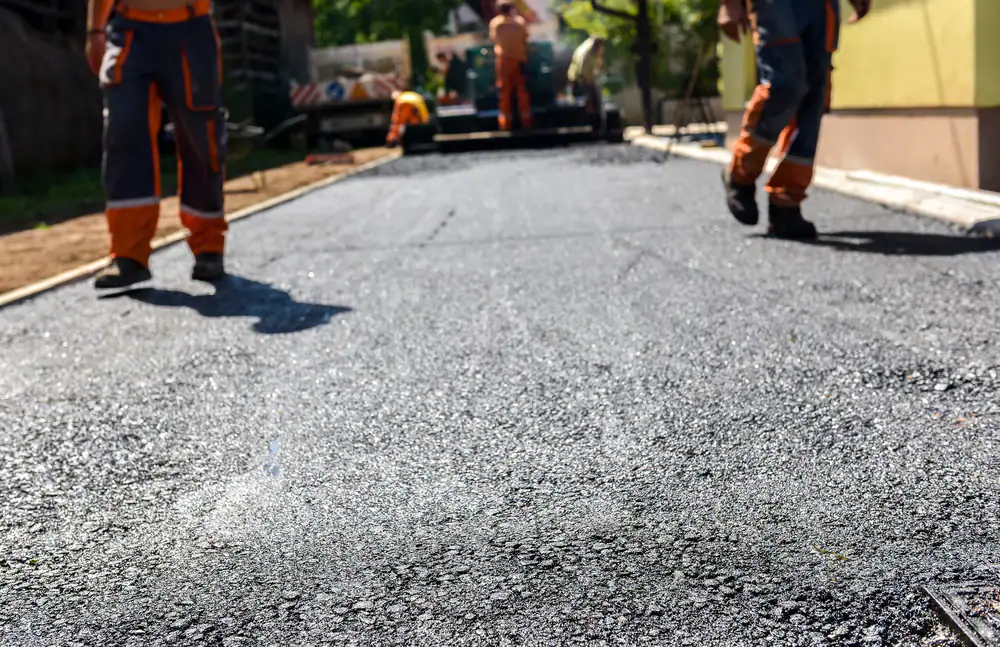
A smooth driveway or parking lot isn’t just about looks. It’s about eliminating the potholes that jar your vehicle every time you pull in. It’s about water that drains properly instead of pooling and seeping into the base layer where it freezes, expands, and destroys your pavement from underneath.
Quality asphalt paving gives you a surface that holds up to Burns’ hot summers and freezing winters without crumbling. You get proper grading that prevents water damage. You get materials designed to flex with temperature changes instead of cracking apart.
When the work is done right, you’re looking at 20 to 30 years of use with basic maintenance. That’s fewer repairs, less money spent fixing the same problems, and a property that looks maintained instead of neglected. Your driveway becomes an asset instead of a liability. Your commercial lot stops driving customers away and starts making the right first impression.
Tristar Paving LLC is a veteran-owned paving contractor based in Wilson County, serving Burns and the surrounding Middle Tennessee area. We bring over 50 years of combined experience to every residential and commercial project.
That experience matters when you’re dealing with Tennessee’s climate. Our crew knows how temperature swings affect asphalt. We understand proper base preparation, drainage solutions, and material selection for this region. We’ve seen what happens when shortcuts are taken, and we know how to avoid those mistakes.
We handle everything from residential driveways to commercial parking lots, tar and chip installations to asphalt repairs. Being local to Wilson County means we’re accountable to the community and available when you need us.

The process starts with an on-site assessment. Our crew evaluates your property, discusses what you need, and identifies any drainage or grading issues that need attention. You get a clear estimate with no hidden fees.
Before any asphalt goes down, the site gets prepared properly. This means grading the area to ensure water runs off instead of pooling. It means establishing a solid base that won’t shift or settle. If there’s existing pavement that’s failed, it gets removed. If there are drainage problems, they get fixed now rather than after your new asphalt is ruined.
Once the base is ready, high-quality asphalt gets laid and compacted to create a smooth, durable surface. The thickness depends on your specific use—residential driveways and commercial parking lots have different requirements. After installation, you’ll need to wait 24 to 48 hours before driving on it to allow proper curing.
We walk you through what to expect for maintenance. Sealcoating every two to three years protects against weather damage and extends your pavement’s life. Small cracks get filled before they become big problems. With proper care, your asphalt delivers decades of reliable use.

Ready to get started?
Professional paving in Burns covers more than just laying asphalt. It includes proper site evaluation to identify potential problems before they become expensive fixes. It includes grading work to establish correct drainage patterns. It includes base preparation that creates a stable foundation for your pavement.
For residential clients, that means driveways designed to handle daily vehicle traffic while improving curb appeal. For commercial properties, it means parking lots that accommodate customer traffic, meet code requirements, and hold up under heavy use. Tar and chip paving offers a cost-effective alternative for rural driveways and roads, providing good traction and durability at a lower price point.
Burns sits in an area where temperature extremes test pavement durability. Summer heat can reach the 90s while winter temperatures drop below freezing. This constant expansion and contraction cycle stresses asphalt. We understand these conditions and select materials that handle the stress. We know proper installation techniques that prevent premature cracking.
Our work also includes addressing Tennessee-specific challenges like proper drainage during heavy spring rains and ensuring surfaces can withstand freeze-thaw cycles. Being familiar with Burns and Wilson County, we understand soil conditions, typical drainage patterns, and the specific demands Middle Tennessee weather places on asphalt surfaces.
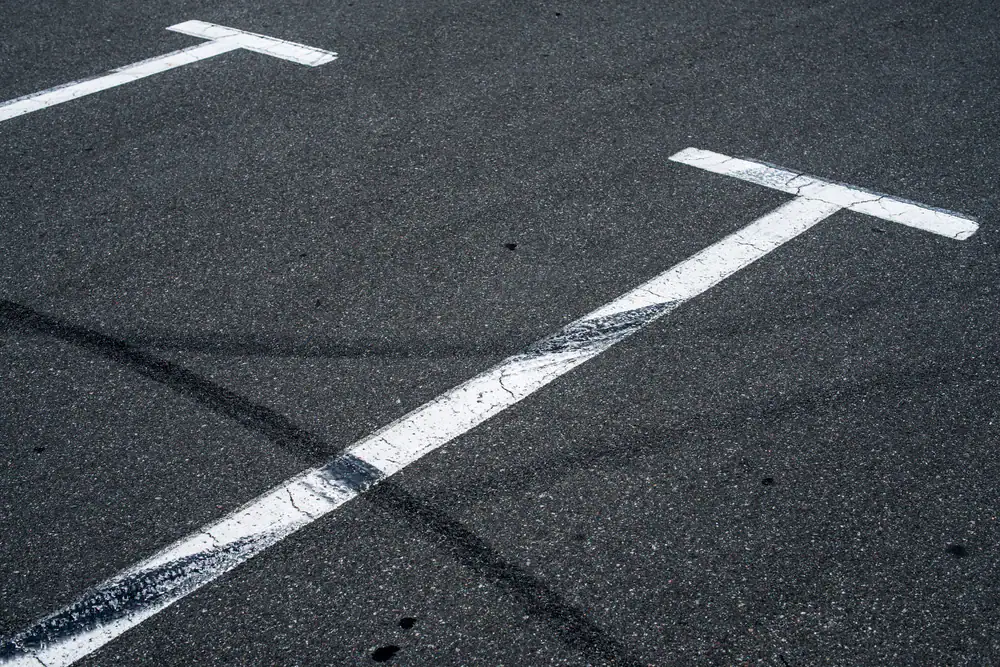
With proper installation and regular maintenance, asphalt paving in Burns typically lasts 20 to 30 years. The lifespan depends heavily on three factors: quality of initial installation, local climate conditions, and how well you maintain it.
Tennessee’s temperature swings put stress on asphalt. When temperatures drop below freezing, asphalt contracts. When summer heat arrives, it expands. Poor installation that doesn’t account for this movement leads to premature cracking. Proper installation uses the right asphalt thickness for your specific use and includes a stable base that doesn’t shift.
Maintenance extends that lifespan significantly. Sealcoating every two to three years protects against UV damage, water penetration, and chemical spills. Filling small cracks before they spread prevents water from reaching the base layer where it causes real damage. Neglected asphalt might only last 10 to 15 years. Well-maintained asphalt can exceed 30 years.
Asphalt paving uses hot asphalt mix that’s laid down and compacted to create a smooth, uniform surface. It’s ideal for driveways and parking lots that need a finished appearance and can handle heavy traffic. The smooth surface is easier to shovel in winter and provides a more formal look.
Tar and chip paving applies liquid asphalt to a prepared base, then covers it with stone chips that get pressed into the surface. The result is a textured finish that provides excellent traction and a more rustic appearance. It costs less than traditional asphalt—typically 30 to 40 percent less—making it popular for long rural driveways where budget matters.
The textured surface of tar and chip sheds water well and provides better traction in wet or icy conditions. However, it’s not as smooth as asphalt, which means snow removal can be harder. Loose stones can scatter, especially in the first few weeks after installation. For rural properties, long driveways, or situations where budget is a primary concern, tar and chip offers a durable, cost-effective solution. For properties where appearance and smooth surface matter most, traditional asphalt paving is the better choice.
Driveway paving costs in Burns typically range from $2,000 to $10,000 depending on size, site conditions, and material choices. Asphalt generally costs $2 to $4.50 per square foot installed. A standard two-car driveway of about 600 square feet would run roughly $1,700 to $2,700 for asphalt.
Several factors affect the final price. Site preparation adds cost if there’s existing pavement to remove, significant grading needed, or drainage issues to fix. A driveway with poor drainage that requires additional base work will cost more than a straightforward installation on properly graded land. Accessibility matters too—difficult access for equipment increases labor time and cost.
Material choices also impact price. Standard asphalt is most economical. Tar and chip costs less upfront but has a different appearance and texture. Concrete costs more initially but lasts longer with less maintenance. The best approach is to get a detailed estimate that breaks down site preparation, materials, labor, and any additional work needed. This lets you see exactly what you’re paying for and make informed decisions about your project.
Late spring through early fall offers the best conditions for asphalt paving in Tennessee. Asphalt needs warm temperatures to cure properly—ideally above 50 degrees Fahrenheit, with 70 to 80 degrees being optimal. These temperatures allow the asphalt to compact properly and cure to full strength.
Summer’s heat actually helps asphalt installation because the material stays workable longer and compacts more thoroughly. However, extreme heat above 95 degrees can make the surface too soft immediately after installation. Early fall is often ideal—warm enough for proper curing but without summer’s peak temperatures or the unpredictability of spring rains.
Winter paving is possible but not recommended. Cold temperatures cause asphalt to cool too quickly, making proper compaction difficult. The result can be a weaker surface that’s more prone to cracking. Spring can work well, but Tennessee’s spring rains can delay projects and create muddy site conditions that complicate base preparation. If you’re planning a paving project, scheduling it for late spring, summer, or early fall gives you the best chance of ideal conditions and a quality result.
Yes, sealcoating your asphalt driveway every two to three years significantly extends its lifespan and protects your investment. Sealcoating creates a protective barrier against water, UV rays, chemicals, and oxidation—all factors that break down asphalt over time.
Water is asphalt’s biggest enemy. When water penetrates the surface through small cracks, it reaches the base layer where it causes serious damage. In winter, that water freezes and expands, widening cracks and breaking apart the pavement structure. Sealcoating fills minor surface imperfections and creates a waterproof barrier that keeps moisture out.
UV rays from constant sun exposure dry out the oils in asphalt, making it brittle and prone to cracking. Sealcoating protects against this oxidation. It also shields against chemicals like gasoline and oil that can deteriorate asphalt. The cost of sealcoating—typically $0.14 to $0.30 per square foot—is minimal compared to the cost of repairing or replacing damaged asphalt. Most driveways need their first sealcoating about six months to a year after installation, then every two to three years after that depending on traffic and weather exposure.
Asphalt cracks primarily from water damage, temperature fluctuations, ground movement, and poor installation. In Burns, temperature swings between hot summers and freezing winters cause asphalt to expand and contract repeatedly. This constant movement creates stress that eventually leads to cracks, especially if the asphalt wasn’t installed with proper thickness or base preparation.
Water infiltration is the other major culprit. When water seeps through small cracks or porous areas, it weakens the base material underneath. During freeze-thaw cycles, that water expands as it freezes, pushing pavement apart from below. Poor drainage that allows water to pool on or near your driveway accelerates this damage. Ground movement from settling soil or tree roots also creates pressure points that crack asphalt.
Prevention starts with proper installation—correct base preparation, adequate asphalt thickness for your use, and proper grading for drainage. After installation, regular sealcoating every two to three years protects the surface. Fill small cracks immediately before they widen and allow water penetration. Keep your driveway clean of debris and standing water. Address drainage issues promptly. These preventive steps cost far less than repairing or replacing failed asphalt and can extend your driveway’s life by a decade or more.
Other Services we provide in Burns