

Hear from Our Customers
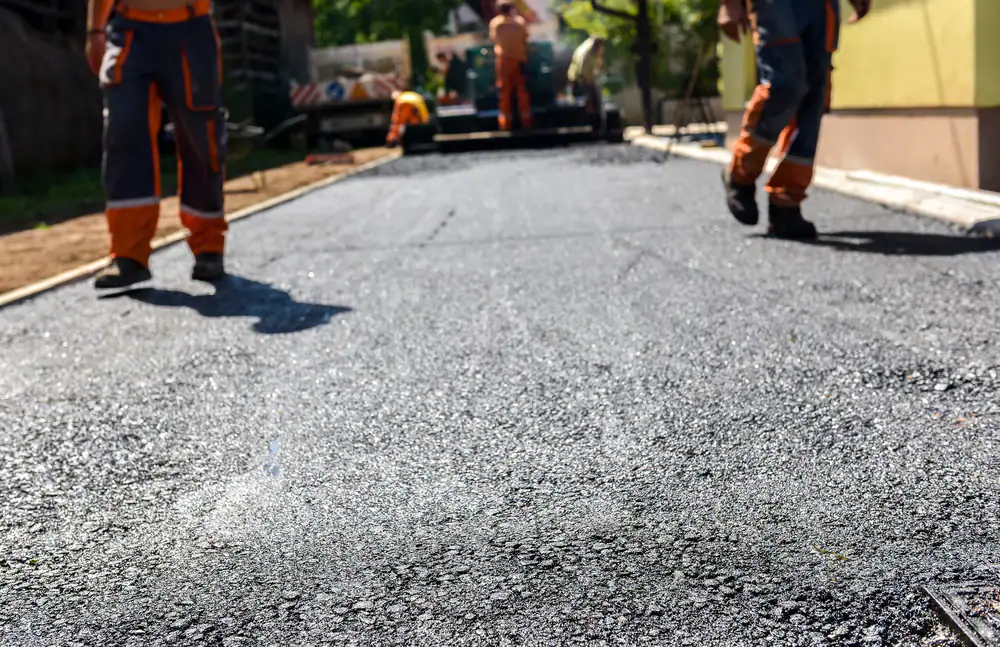
Your driveway becomes the kind neighbors notice. Smooth, durable asphalt that handles Tennessee weather without cracking or settling.
Your parking lot turns into a business asset. Customers feel confident pulling in. Employees walk safely to the building. The professional appearance tells everyone you run a quality operation.
You stop worrying about repairs every few years. Quality materials and proper installation mean decades of reliable performance, not constant maintenance headaches.
Tristar Paving has been handling asphalt projects in Wilson County for over five decades. We understand local soil conditions, weather patterns, and what works long-term in Middle Tennessee.
As a veteran-owned business, we approach every project with the same attention to detail and commitment to completion that military service demands. No shortcuts, no surprises, no excuses.
We’ve paved driveways for families in Barfield and parking lots for businesses throughout the Nashville area. Local reputation matters when you’re planning to stay in business for another 50 years.
First, we assess your site and explain exactly what needs to happen. No technical jargon or upselling – just a clear picture of the work and timeline.
Next comes proper preparation. The base work determines how long your asphalt lasts. We excavate to the right depth, grade for proper drainage, and compact the foundation until it’s ready for decades of traffic.
Then we install the asphalt using commercial-grade equipment and materials. Hot mix asphalt applied at the right temperature and thickness for your specific use. We finish with clean edges and smooth transitions that look professional from day one.

Ready to get started?
Residential driveways get the same professional treatment as commercial parking lots. Whether you need a new installation or replacement of existing asphalt, we handle projects from single-family homes to multi-unit developments.
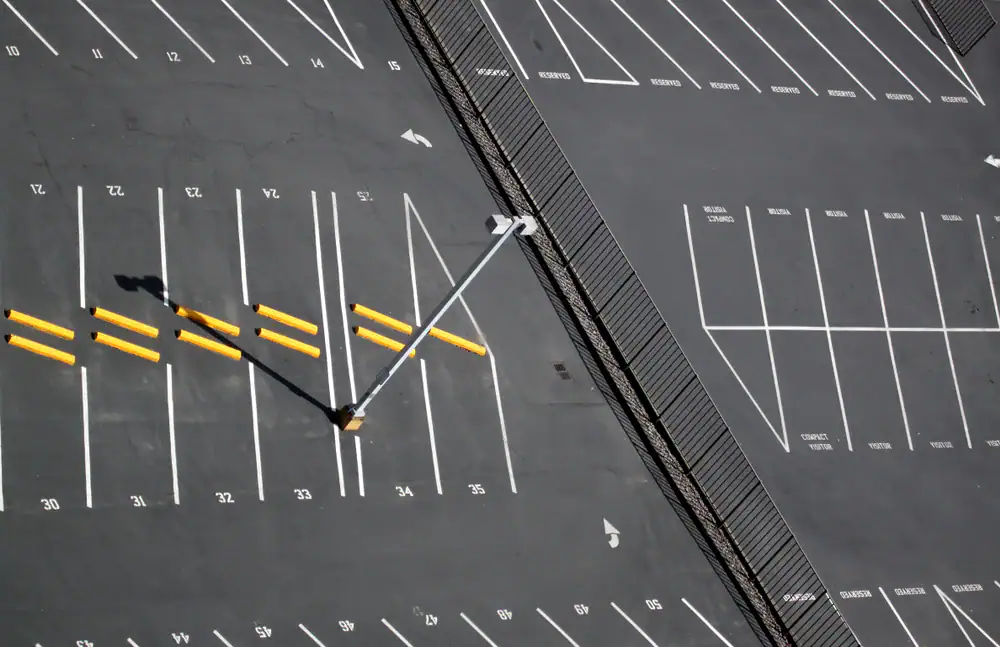
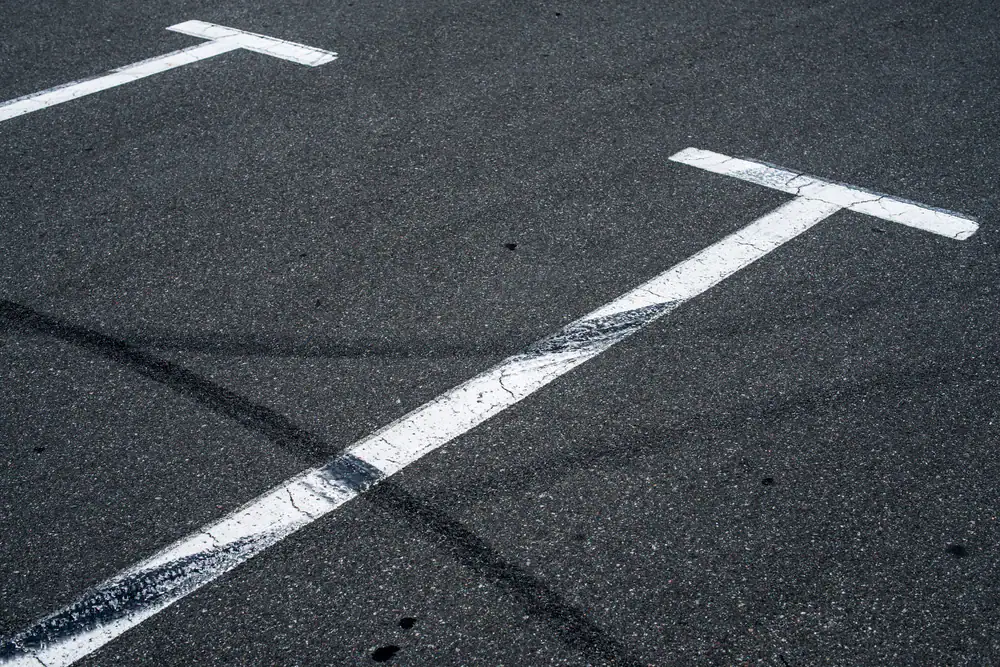
Commercial paving includes parking lots, access roads, and loading areas. We work with business schedules to minimize disruption and complete projects efficiently. Proper striping and ADA compliance included.
Wilson County’s clay soil and temperature swings require specific techniques for long-lasting results. We adjust our approach based on your property’s drainage, traffic patterns, and local conditions that affect asphalt performance.
A properly installed asphalt driveway in Tennessee typically lasts 15-20 years with basic maintenance. The key factors are proper base preparation and regular sealcoating every 3-4 years.
Wilson County’s clay soil expands and contracts with moisture, so the base work is critical. We excavate deep enough to get below the frost line and use proper aggregate materials that drain well and stay stable.
Regular sealcoating protects against water penetration and UV damage from Tennessee summers. Most driveways need their first sealcoat 2-3 years after installation, then every 3-4 years after that.
Commercial paving uses thicker asphalt and heavier base preparation because it handles more traffic and heavier loads. A residential driveway might use 2-3 inches of asphalt, while a commercial parking lot typically needs 3-4 inches.
The base preparation also differs. Commercial projects require deeper excavation and more compacted stone base to support delivery trucks and constant traffic. We also need proper drainage systems to handle larger surface areas.
Commercial paving includes striping, ADA compliance, and often specific timing to avoid disrupting business operations. The materials and techniques are similar, but everything is scaled up for durability and performance.
Asphalt typically costs 30-40% less than concrete for initial installation. A residential driveway might run $3-5 per square foot for asphalt versus $5-8 for concrete, depending on site conditions and thickness requirements.
Asphalt also offers faster installation and quicker use. You can drive on new asphalt within 24-48 hours, while concrete needs 7-10 days to cure properly. This matters for businesses that can’t shut down access for extended periods.
Maintenance costs favor asphalt too. Sealcoating every few years costs much less than concrete repairs. When asphalt eventually needs replacement, it’s also less expensive and disruptive than concrete removal and replacement.
Paving over existing surfaces depends on the condition and thickness of what’s already there. If the existing asphalt is structurally sound with only surface cracking, an overlay can work well and costs less than complete replacement.
Concrete presents more challenges. The existing surface needs to be in good condition without major settling or cracking. We also need to address drainage and thickness issues to ensure the new asphalt performs properly.
Complete removal and replacement often provides better long-term value, especially if the existing surface has drainage problems or structural issues. We evaluate each situation and explain the pros and cons of overlay versus replacement.
The first year is critical for new asphalt. Avoid heavy loads and sharp turns while the asphalt fully cures. Don’t let gas or oil spills sit on the surface – clean them immediately to prevent staining and softening.
Sealcoating should start 12-18 months after installation, then every 3-4 years. This protects against water penetration, UV damage, and chemical spills. It also refreshes the appearance and extends the life significantly.
Keep drainage areas clear and repair small cracks promptly. Water is asphalt’s biggest enemy, so anything that prevents proper drainage will cause problems. Regular cleaning and prompt attention to minor issues prevent major repairs later.
Surface issues like minor cracking, fading, or small potholes can usually be repaired cost-effectively. If more than 30% of the surface needs repair, or if there are drainage or base problems, replacement often makes more sense.
Alligator cracking (interconnected cracks that look like reptile skin) indicates base failure and typically requires removal and replacement. Same with areas that have settled or developed drainage problems that cause standing water.
We provide honest assessments of what can be repaired versus what needs replacement. Sometimes a partial replacement of problem areas combined with overlay of good sections provides the best value and performance.
Other Services we provide in Barfield