

Hear from Our Customers
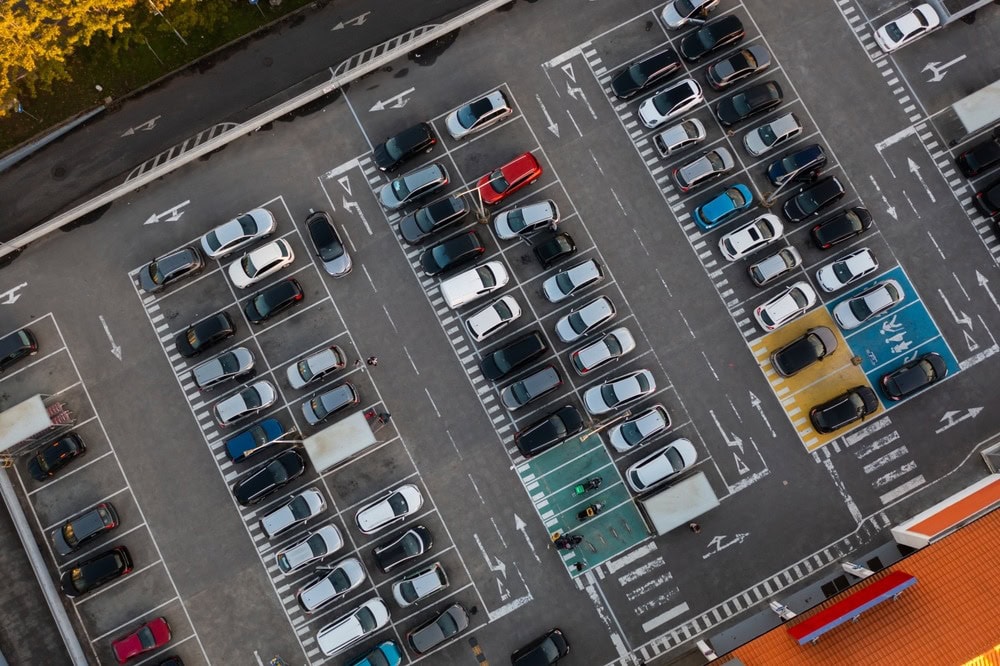
Your parking lot isn’t just pavement. It’s the first thing customers see when they pull in, and the last thing they remember when they leave. Cracks, potholes, and standing water send the wrong message—and create real liability.
When your lot is done right, you stop worrying about trip hazards, vehicle damage, and expensive repairs two years down the road. The surface stays smooth. Water drains where it should. Striping stays visible. And you’re not calling someone back to fix what should’ve been done correctly the first time.
That’s what happens when the base is prepped properly, the grading creates natural drainage, and the asphalt is installed by people who’ve been doing this for decades. You get a parking lot that holds up to Tennessee weather—freeze-thaw cycles, heavy rain, summer heat—without falling apart.
TriStar Paving LLC has been serving Walterhill and the greater Nashville area for over 50 years. We’re not a fly-by-night crew that shows up, pours asphalt, and disappears. We’re veteran-owned, locally operated, and built our reputation on doing the job right.
We know Wilson County. We know Rutherford County. We understand how Tennessee weather beats up pavement and what it takes to build lots that actually last 20 to 30 years instead of needing a redo in five.
Whether it’s a small business parking area in Walterhill or a larger commercial lot near Murfreesboro, we bring the same approach: proper base prep, quality materials, and no shortcuts. Because around here, your reputation matters—and so does ours.

First, the site gets evaluated. That means checking soil conditions, drainage patterns, and any existing problems that need fixing before new asphalt goes down. Skipping this step is how lots fail early.
Next comes site prep and grading. Old pavement or debris gets cleared out. The ground is leveled and sloped—usually around 2%—so water runs off instead of pooling. Then a solid base layer goes in: 8 to 12 inches of compacted gravel that creates the foundation everything else sits on.
Once the base is set, the asphalt gets applied. A binder layer goes down first for strength, then a smooth top coat. It’s compacted with heavy rollers to eliminate air pockets and create a dense, durable surface.
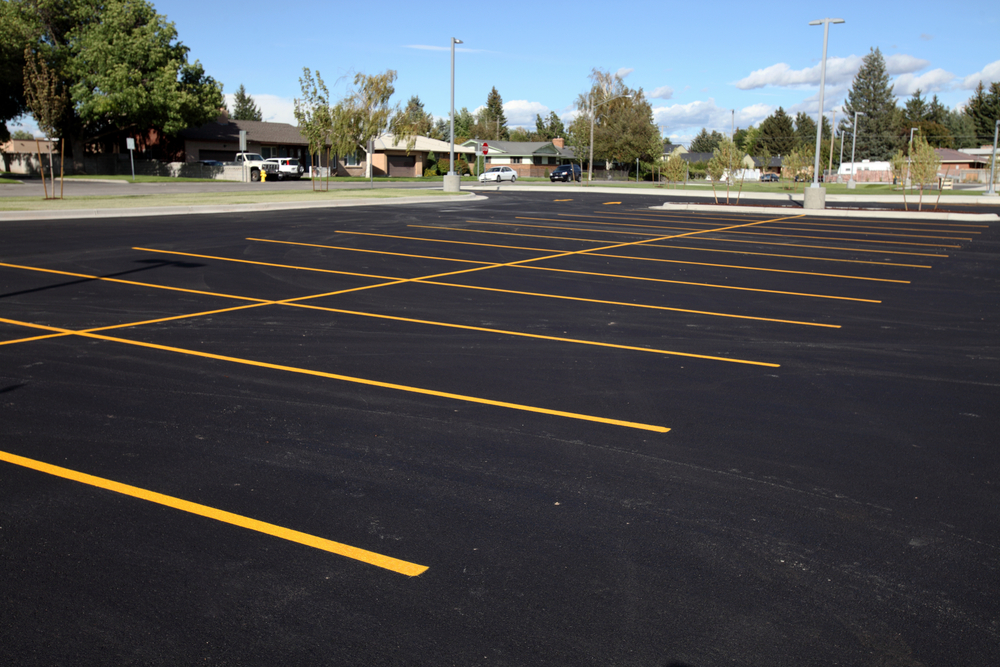
After the asphalt cures, the finishing work happens. Striping for parking spaces, ADA-compliant markings, fire lanes, and any signage you need. The whole process typically takes one to three weeks depending on the size of the lot, and most projects can be phased so your business stays open.
Ready to get started?
Parking lot paving in Walterhill, TN means handling the details that keep your lot functional for decades. That starts with proper grading and drainage—critical in an area where heavy rain and freeze-thaw cycles are common. Water that doesn’t drain becomes water that destroys your pavement from underneath.
You also get a base built to handle the load. Whether it’s employee vehicles, customer traffic, or delivery trucks, the base needs to support the weight without settling or cracking. That’s why we use compacted aggregate and proper depth—not the bare minimum.
ADA compliance is built into the layout. That means the right number of accessible spaces, proper stall widths, compliant ramps, and clear signage. It’s not optional, and it’s not something you want to retrofit later.
Line striping and pavement markings finish the job. Clean, visible lines make parking easier and safer. They also make your property look professional instead of worn out. Around Walterhill and nearby Murfreesboro, where businesses compete for customers, that first impression matters.

A properly installed asphalt parking lot lasts 20 to 30 years with regular maintenance. That includes sealcoating every two to four years, crack sealing annually, and addressing any damage early before it spreads.
Tennessee’s climate—freeze-thaw cycles in winter, heavy rain in spring, heat in summer—puts stress on pavement. That’s why the base prep and drainage matter so much. If water gets under the asphalt and freezes, it expands and cracks the surface. Proper grading and a solid compacted base prevent that.
Without maintenance, even a well-built lot starts showing problems around the 10-year mark. Cracks let in moisture, which leads to potholes and bigger repairs. Stay on top of small issues, and your lot will outlast the cheap one down the street by a decade or more.
Most asphalt parking lots run between $2 and $4.50 per square foot, depending on site conditions, size, and any extra work needed. A 10,000 square foot lot—enough for about 30 cars—typically costs $20,000 to $45,000.
That price includes site prep, grading, base installation, asphalt application, and compaction. Extras like extensive drainage work, ADA-compliant ramps, or heavy-duty base for truck traffic can push costs higher. Line striping usually adds another $0.15 to $0.25 per linear foot.
The cheapest bid isn’t always the best deal. Contractors who skip proper base prep or use thin asphalt save money upfront but cost you more later. You’ll be repaving in five years instead of twenty. Get a detailed estimate that breaks down what’s included, and make sure you’re comparing apples to apples.
Most commercial parking lots take one to three weeks from start to finish. Week one covers site prep, demolition if needed, grading, and base installation. Week two involves asphalt paving and the initial curing period. Striping and final touches happen after the asphalt has cured enough to handle paint.
Smaller lots can be done faster. Larger or more complex projects—especially those requiring significant drainage work or phased construction to keep a business open—may take longer. Weather plays a role too. Rain delays paving, and asphalt can’t be installed when temperatures drop too low.
If you need to stay open during construction, the work can be phased. Half the lot gets done first, then the other half. It adds a few days to the timeline but keeps customers and employees from losing access. That’s common for retail centers, office parks, and anywhere that can’t afford a full shutdown.
Not usually. Most projects can be phased so your business stays open and customers still have access. We section off the work area, complete that portion, then move to the next section once the first is cured and usable.
Phased construction does add a few days to the overall timeline, but it’s worth it if closing isn’t an option. Retail stores, restaurants, medical offices—anywhere with steady foot traffic—benefit from this approach. You lose some parking temporarily, but not all of it.
The key is planning ahead. Let us know upfront that you need to stay operational, and we’ll design a schedule around your busiest days. Some businesses choose to pave over a weekend or during slower seasons to minimize disruption. Either way, you don’t have to shut down completely.
Resurfacing means adding a new layer of asphalt over the existing surface. It’s cheaper and faster than full repaving, but it only works if the base and underlying structure are still solid. If you’ve got minor surface wear but no major cracks or drainage issues, resurfacing can add another 10 to 15 years.
Repaving—or full reconstruction—means tearing out the old asphalt, fixing the base, and starting fresh. It costs more, but it’s necessary when the base has failed, drainage is shot, or more than 25% of the surface is damaged. Trying to resurface a failing lot just kicks the problem down the road.
The decision comes down to the condition of what’s underneath. We can assess the base and let you know which option makes sense. If the foundation is good, resurfacing saves money. If it’s compromised, repaving is the only way to avoid constant repairs.
Water is the biggest enemy of asphalt. When it pools on the surface or seeps into the base, it weakens the structure and causes cracks, potholes, and premature failure. In Tennessee, where heavy rain and freeze-thaw cycles are common, drainage isn’t optional—it’s critical.
Proper grading creates a slight slope, usually around 2%, so water runs off toward drains or the edges of the lot. Without that slope, water sits in low spots, soaks into the asphalt, and breaks it down from the inside. When that water freezes in winter, it expands and cracks the surface.
Installing catch basins, inlets, or subsurface drainage systems keeps water from accumulating. It’s one of those things you don’t notice when it’s done right, but you definitely notice when it’s not. A well-drained lot lasts decades. A poorly drained one needs repairs within a few years.
Other Services we provide in Walterhill