

Hear from Our Customers
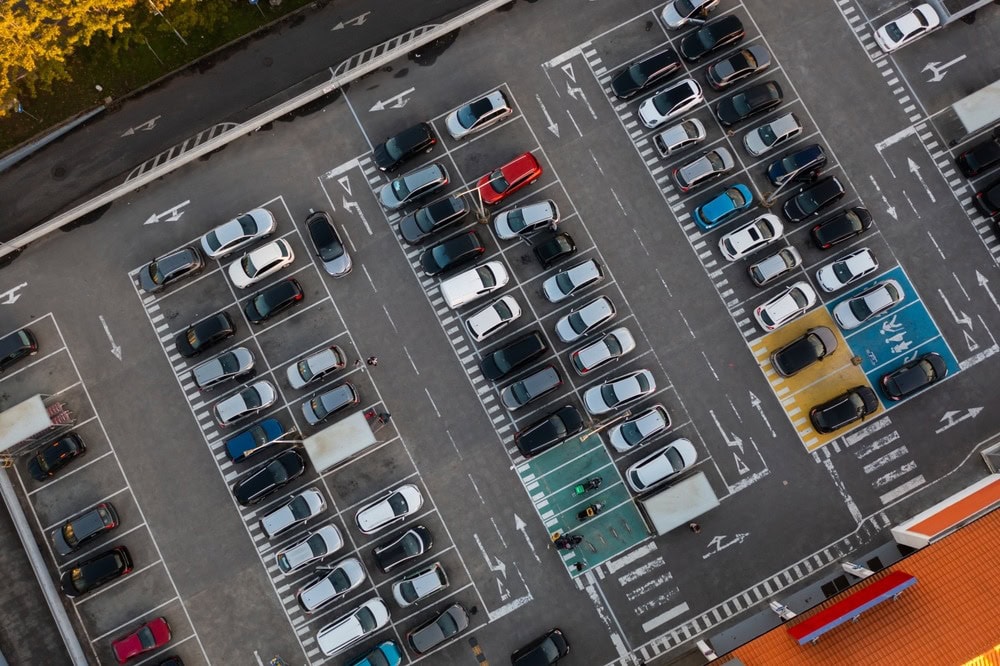
A well-built parking lot isn’t just smooth asphalt. It’s proper drainage that keeps water from destroying your investment. It’s grading that prevents pooling and premature cracking. It’s a base that won’t shift or settle after the first hard freeze.
When your parking lot is done right, you’re not calling for repairs every season. You’re not apologizing to customers about potholes or worrying about liability from cracked, uneven pavement. Your property looks professional, functions safely, and holds its value year after year.
That’s what happens when the foundation is solid, the asphalt installation is done correctly, and the contractor actually knows what they’re doing. You get years of reliable performance instead of months before the problems start. Your customers see a well-maintained property that signals you care about quality. Your maintenance budget stays predictable instead of getting eaten up by emergency repairs.
TriStar Paving LLC is a veteran-owned company based in Wilson County, serving Arrington and the greater Nashville area for over 50 years. We’ve handled everything from small business lots to large commercial parking lot projects, and we understand exactly what it takes to build asphalt that survives Tennessee’s climate challenges.
Being local means we know the soil conditions around Arrington, the drainage issues common to Williamson County properties, and how freeze-thaw cycles affect pavement in this region. We’re not learning on your dime. When you work with us, you’re working with a team that’s been doing this longer than most competitors have been in business, and we’re still here because we deliver results that last.

First, the site gets assessed. We evaluate your property layout, drainage needs, and any existing issues that need addressing before new asphalt goes down. This isn’t a quick glance – it’s a thorough look at what your specific lot requires.
Next comes grading and base preparation. This is where most contractors cut corners, and it’s why most parking lots fail early. The ground gets properly graded for drainage, a solid gravel base goes down, and everything gets compacted to create a stable foundation. Water needs somewhere to go, and if the base isn’t right, nothing else matters.
Then the asphalt installation happens. A thick layer of quality asphalt gets applied, smoothed, and compacted to create a durable surface that can handle the traffic and weather your lot will face. The thickness and mix matter here – skimping causes problems fast.
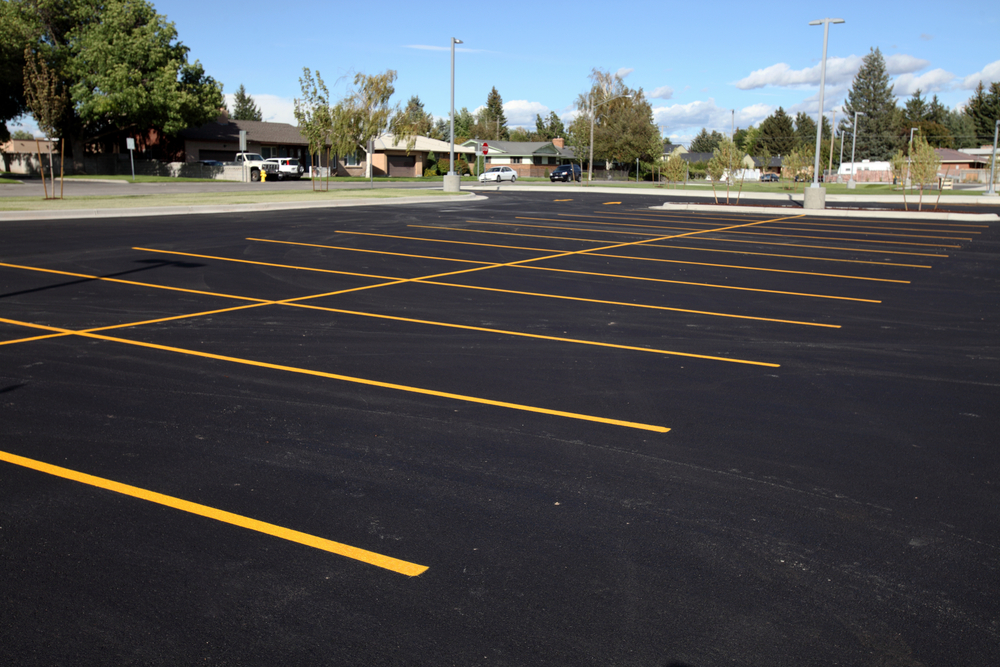
Finally, the finishing work gets completed. Striping, pavement markings, and any required signage or accessibility features get added. Your lot isn’t just functional – it’s professional, clear, and compliant with ADA requirements if needed.
Ready to get started?
When we handle your parking lot paving in Arrington, you’re getting complete paving services from start to finish. Site evaluation and layout planning happen first – we look at traffic flow, drainage patterns, and how your lot needs to function for your specific business or property.
Parking lot grading and drainage solutions are built into every project. Tennessee gets its share of rain, and Arrington properties need proper water management to prevent the pooling and erosion that destroy asphalt prematurely. This isn’t optional – it’s essential for longevity. The grading work ensures water moves off your parking lot surface instead of sitting in low spots where it causes damage.
The asphalt paving itself uses quality materials applied at the right thickness for your traffic levels. Whether you’re paving a small business lot or a large commercial property, the specs match the actual use. Residential driveways and private roads get the same attention to detail. For existing lots showing wear, parking lot restoration services including resurfacing and overlay can extend the life of your pavement without full replacement costs.
Striping and marking services ensure your lot is clearly defined, safe, and professional-looking. For commercial properties, ADA-compliant accessibility features can be included to meet requirements. Everything gets done by one team, so there’s no coordination headaches or finger-pointing between contractors if issues come up.

A well-built parking lot in Arrington should last 15 to 20 years or more with proper maintenance. The key word there is “well-built” – and that comes down to the base preparation and drainage more than anything else.
Tennessee’s climate is tough on asphalt. You get hot summers that soften the surface, freeze-thaw cycles in winter that cause cracking, and enough rainfall to create serious water damage if drainage isn’t handled correctly. Most parking lots that fail early do so because the base wasn’t properly compacted or the grading doesn’t move water off the surface effectively.
Regular parking lot maintenance extends that lifespan significantly. Crack sealing every few years prevents water from getting under the asphalt. Sealcoating protects against UV damage and weather. Small repairs handled early stop minor issues from becoming major problems. If you’re proactive about maintenance, you can push that 20-year mark even further and delay the need for full replacement.
Water damage is the number one killer of parking lots. When drainage is poor or the base wasn’t properly prepared, water sits on the surface, seeps through cracks, and gets underneath the asphalt. That water freezes in winter, expands, and breaks apart the pavement from below. Once that process starts, it accelerates fast.
The second major cause is cutting corners during installation. Skimping on base thickness, using inadequate gravel, poor compaction, or applying asphalt too thin might save money upfront, but it guarantees early failure. You’ll see cracking, settling, and potholes within a few years instead of decades.
Neglecting maintenance is the third factor. Small cracks turn into big cracks. Big cracks let in water. Water causes more damage. It’s a cycle that’s easy to prevent with regular crack sealing and sealcoating, but expensive to fix once the damage goes deep. Most parking lot replacements could have been avoided with proper installation and basic maintenance over the years.
Parking lot paving costs vary significantly based on size, site conditions, and what needs to be done before asphalt goes down. A small commercial lot might run a few thousand dollars, while a large property could be tens of thousands. The real answer depends on your specific situation.
Site preparation drives a lot of the cost. If your property has drainage issues, poor soil, or existing pavement that needs removal, those factors add to the project scope. Grading work, base material, and the thickness of asphalt required for your traffic levels all impact the final price. A residential driveway has different requirements than a commercial parking lot that sees constant use.
The best approach is to get a detailed estimate based on an actual site evaluation. We can assess your property, explain what’s needed, and give you a clear breakdown of costs. Trying to go with the cheapest bid often means you’re getting inferior materials, thinner asphalt, or shortcuts that cost you more in repairs down the road. The goal is long-term value, not just the lowest upfront price.
It depends on the extent and type of damage. Surface-level issues like minor cracking, small potholes, or faded striping can usually be repaired without full replacement. Crack sealing, patching, and an asphalt overlay can restore functionality and appearance at a fraction of replacement cost.
But if the damage goes deeper – if the base is failing, there’s widespread alligator cracking, or significant settling has occurred – patching becomes a temporary bandaid. You’ll keep throwing money at repairs that don’t last because the underlying structure is compromised. At that point, full replacement is the smarter investment.
A professional assessment tells you which situation you’re in. We can evaluate your parking lot’s condition, explain what’s causing the problems, and give you honest recommendations about repair versus replacement. Sometimes a parking lot restoration with milling and overlay extends the life another decade. Other times, the damage is too extensive and replacement is the only real solution. The key is getting an accurate diagnosis from someone who’s not just trying to sell you the most expensive option.
Asphalt paving typically means new construction – you’re building a parking lot from the ground up. That includes site grading, base installation, drainage setup, and then applying the asphalt layers. It’s a complete build that addresses everything from soil conditions to final striping.
Parking lot resurfacing, also called overlay or mill-and-overlay, means you’re adding a new layer of asphalt over an existing parking lot. The old surface might get milled down first to remove the top damaged layer, then fresh asphalt goes on top. This works when the base is still solid but the surface has deteriorated from age, weather, or traffic wear.
Resurfacing costs less than full replacement and extends the life of your parking lot significantly – often another 10 to 15 years if the base is in good shape. But it only works if the foundation is sound. If you’ve got base failure, drainage problems, or structural issues underneath, resurfacing just covers up problems temporarily. You need full parking lot construction to fix those deeper issues. The decision comes down to what’s happening below the surface, not just what you can see on top.
Water is asphalt’s worst enemy. If your parking lot doesn’t move water off the surface quickly and effectively, that water finds its way into cracks, underneath the asphalt, and into the base material. Once water gets in, it causes erosion, weakens the foundation, and creates the conditions for rapid deterioration.
Proper parking lot grading means the surface is sloped correctly so water flows toward drainage points instead of pooling in low spots. Even small areas of standing water accelerate damage. In Tennessee, where you get freeze-thaw cycles, that trapped water freezes, expands, and literally breaks apart the pavement from within. That’s how potholes form and why poorly graded lots develop major problems fast.
The drainage system needs to handle the water that runs off the surface. That might mean catch basins, proper grading toward existing drainage, or creating swales that direct water away from the pavement. This isn’t something you can add effectively after the fact – it has to be built into the project from the beginning. When we design your parking lot grading, we’re planning for years of water management, not just a smooth surface today. That planning is what separates parking lots that last from ones that fail early.
Other Services we provide in Arrington