

Hear from Our Customers
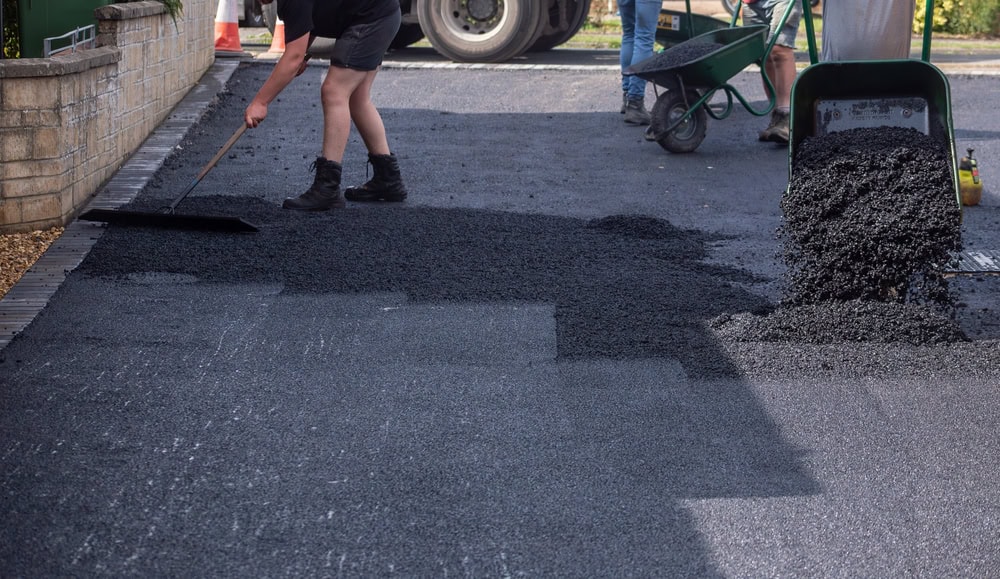
Your driveway should be smooth, properly graded, and free of the cracks and low spots that let water sit and cause damage. It should handle daily traffic without breaking down in a year or two.
When asphalt is installed correctly, you get a surface that drains water away from your foundation, holds up through hot summers and cold winters, and doesn’t require constant patching. The difference comes down to proper base preparation, quality materials, and crews who know what they’re doing.
You’re not looking for the cheapest option that’ll need replacing in five years. You want a driveway that makes your home look better and stays functional without turning into a maintenance headache.
We’re based in Wilson County and have been serving homeowners and businesses across the Murfreesboro and Nashville area for decades. As a veteran-owned company, our work ethic is built on discipline, reliability, and doing the job right.
With over 50 years of combined experience, we handle everything from residential driveways to commercial parking lots. We know how Tennessee’s climate affects asphalt, what proper grading looks like in Middle Tennessee soil, and how to install surfaces that actually last.
Whether you’re replacing a crumbling driveway or paving a new one, we bring the kind of experience that prevents problems before they start.
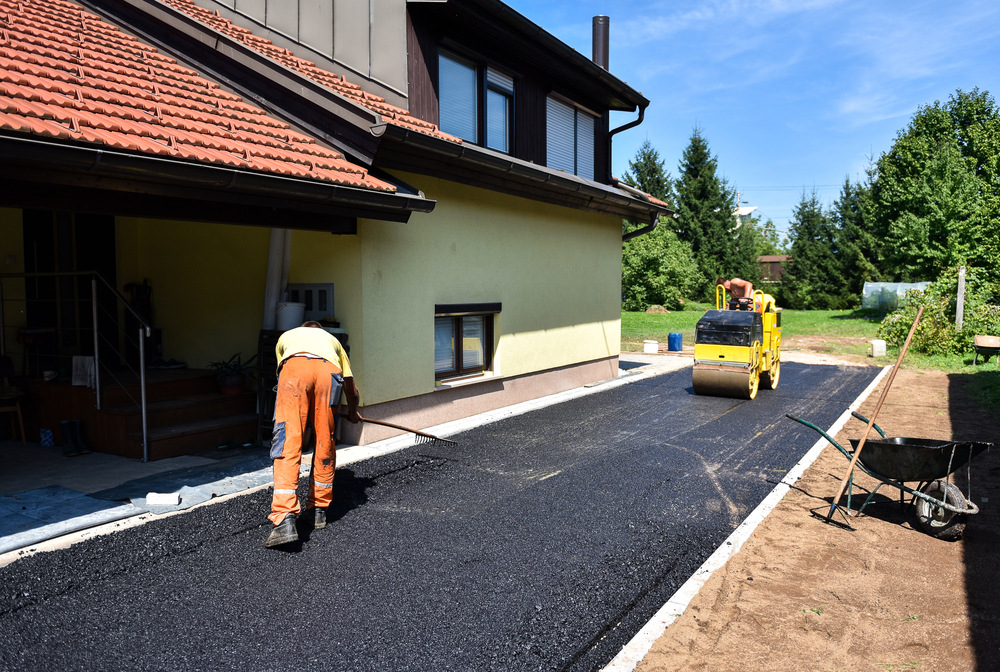
First, we assess your property to understand drainage patterns, soil conditions, and any grading issues that need to be addressed. This isn’t a quick glance—it’s about identifying what could cause problems down the road.
Next comes site preparation. Old asphalt gets removed if necessary, and the base is graded and compacted properly. This step matters more than most people realize because a weak base leads to cracking and settling no matter how good the asphalt is.
Then the hot mix asphalt is installed at the right temperature and compacted to the proper density. Timing matters here—asphalt needs to be laid and compacted while it’s still hot enough to bond correctly. Once it’s down, it needs time to cure before you can drive on it. Most driveways are ready for light traffic within 24 hours, but full curing takes a few days.
The process isn’t complicated, but doing it right requires attention to detail at every step.
Ready to get started?
Quality driveway paving starts with proper grading to ensure water flows away from your home and doesn’t pool on the surface. In Murfreesboro, where rainfall can be significant, drainage isn’t optional—it’s essential to preventing premature deterioration.
The base layer needs to be stable and properly compacted. Shortcuts here lead to settling, cracking, and uneven surfaces within a couple of years. We use proven base preparation methods that account for local soil conditions and provide a solid foundation.
Hot mix asphalt is applied at the correct thickness for residential use, typically 2-3 inches for driveways depending on traffic and soil conditions. The edges are finished cleanly, and the surface is compacted to the right density to prevent rutting and premature wear.
For driveways showing early signs of damage, resurfacing can extend the life without the cost of complete replacement. For driveways with major structural issues, full removal and reinstallation is the better long-term investment. We’ll tell you which option makes sense for your situation—not just which one costs more.
A properly installed asphalt driveway in Murfreesboro typically lasts 20 to 30 years with basic maintenance. The lifespan depends on several factors: the quality of the base preparation, the thickness of the asphalt, local traffic, and how well it’s maintained.
Tennessee’s climate—hot summers, freezing winters, and significant rainfall—puts stress on asphalt through expansion and contraction. Driveways that were installed with proper grading and a solid base hold up much better than those where shortcuts were taken. Regular sealcoating every few years adds protection and can extend the life even further.
If your driveway is showing cracks or deterioration within five years, that’s usually a sign of poor installation, not normal wear. Quality work lasts.
Resurfacing means adding a new layer of asphalt over the existing surface. It works when the base is still solid but the top layer is worn, cracked, or faded. It’s less expensive than full replacement and can add another 10-15 years of life.
Full replacement involves removing the old asphalt, addressing any base issues, and installing a completely new driveway. This is necessary when the base has failed, when there are major drainage problems, or when the existing asphalt is too far gone to resurface effectively.
The decision comes down to the condition of what’s underneath. If the base is compromised—settling, poor drainage, or significant cracking that goes deep—resurfacing just covers up problems that will resurface quickly. A reputable contractor will assess the base and recommend the option that actually solves the problem, not just the one that’s easier to sell.
You can typically drive on a new asphalt driveway within 24 to 48 hours, but full curing takes longer. Light vehicle traffic is usually fine after a day, but you should avoid heavy vehicles, sharp turns, and parking in the same spot for at least three to five days.
Asphalt continues to harden as it cools and cures. During the first few days, it’s more susceptible to scuffing, indentations from kickstands or heavy loads, and damage from turning wheels while stationary. The hotter the weather, the longer you should wait before putting stress on the surface.
Full curing can take several months, but normal use after the first week is fine. Your contractor should give you specific guidance based on the weather conditions and the type of asphalt mix used.
Proper grading controls where water goes, and water is one of the biggest threats to asphalt longevity. In Murfreesboro, where rainfall is common, a driveway that doesn’t drain correctly will deteriorate much faster than one that does.
When water pools on the surface or seeps into the base, it weakens the foundation. In winter, that water freezes and expands, causing cracks and heaving. Over time, poor drainage leads to potholes, settling, and structural failure that requires expensive repairs or full replacement.
Grading should direct water away from your home’s foundation and off the driveway surface. This often means creating a slight slope—usually about 1-2% grade—so water flows to the edges or toward the street. It’s not something you can fix after the fact without tearing up the driveway, so getting it right during installation is critical.
Asphalt driveways need minimal maintenance, but a little attention goes a long way. The most important step is sealcoating every two to three years. Sealcoating protects the surface from UV damage, water penetration, and chemical spills like oil or gasoline.
You should also fill cracks as soon as they appear. Small cracks let water seep into the base, where it causes bigger problems. Catching them early with crack filler is inexpensive and prevents the damage from spreading.
Keep the surface clean—remove debris, avoid using harsh chemicals, and don’t let heavy vehicles park in the same spot for extended periods. In winter, use sand instead of salt for traction, as salt can accelerate deterioration. With basic upkeep, a well-installed asphalt driveway will last decades without major repairs.
Driveway paving costs in Murfreesboro typically range from $3 to $7 per square foot for asphalt, depending on the size, site conditions, and whether you’re doing new installation or resurfacing. A standard two-car driveway (about 600 square feet) usually costs between $2,000 and $4,500.
The price varies based on several factors: the amount of site preparation required, the thickness of the asphalt, accessibility for equipment, and whether the old driveway needs to be removed. Driveways with drainage issues or poor soil conditions cost more because they require additional base work.
Resurfacing is less expensive—usually $2 to $4 per square foot—but only makes sense if the existing base is solid. We provide free estimates that account for your specific situation, so you know what you’re paying for and why. The goal is a driveway that lasts, not just the cheapest number on paper.
Other Services we provide in Murfeesboro