

Hear from Our Customers
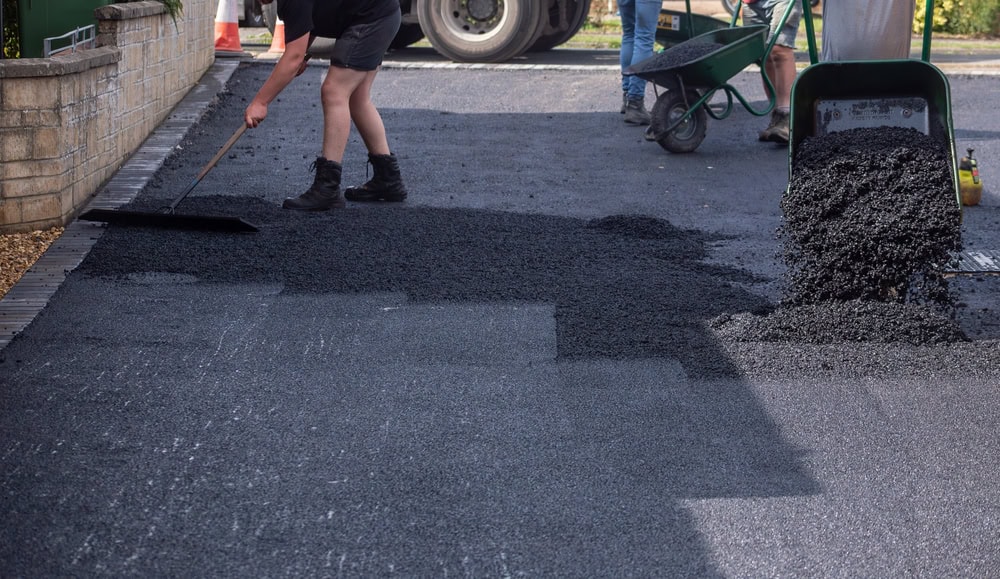
You’re not just getting asphalt laid down. You’re getting a surface that drains water away from your foundation, handles freeze-thaw cycles without breaking apart, and stays smooth for the next 15 to 20 years—longer if you keep up with basic maintenance.
That means no more puddles collecting near your garage. No more uneven spots that scrape your car or trip someone walking to the door. Just a clean, durable driveway that does its job without demanding constant attention.
When the base is graded correctly and the asphalt is installed at the right thickness, you avoid the headaches most homeowners deal with five years down the road. Water flows where it should. Cracks don’t spread. And your property looks like someone actually cares about it.
We bring over 50 years of combined experience to every driveway we install in Millersville and across Wilson County. We’re veteran-owned, which means we show up on time, do what we say we’ll do, and don’t cut corners to save a few bucks.
We’ve worked on driveways throughout the Nashville area long enough to know what Tennessee weather does to asphalt. We understand how Millersville soil drains, what grading angles prevent water damage, and which installation methods actually hold up when winter hits.
Whether you’re replacing a cracked-up driveway that’s seen better days or installing a new one from scratch, we focus on getting it right the first time so you’re not calling someone back in two years to fix what should’ve been done properly from the start.
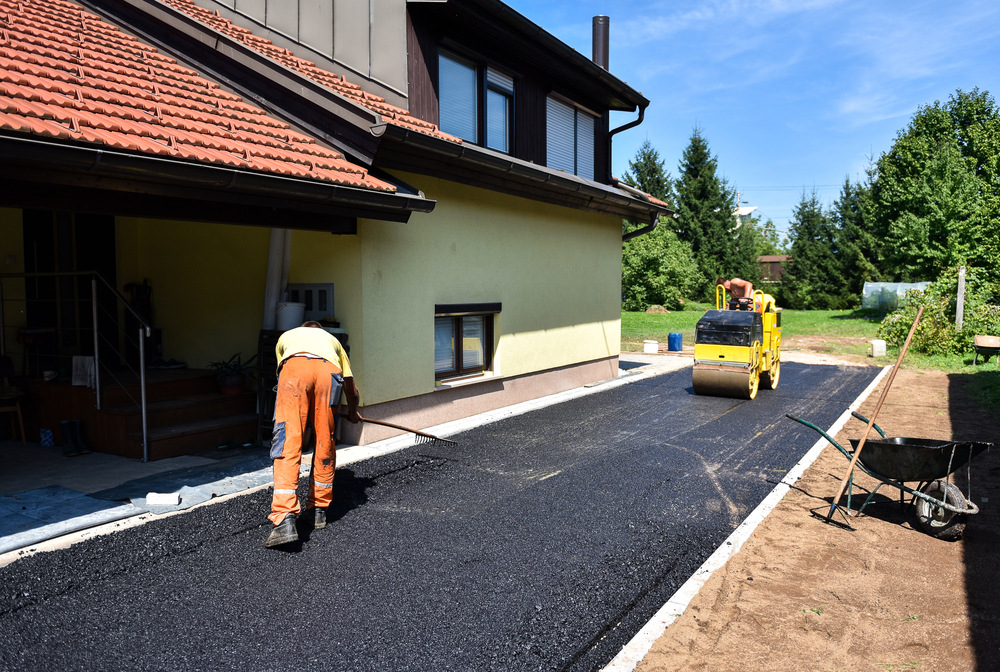
First, our crew evaluates your property to identify drainage issues, soil conditions, and the best approach for your specific driveway. If there’s an old surface that needs to come out, we remove it and haul it off. If you’re starting fresh, we prepare the ground properly.
Next comes grading—the step most contractors rush through but shouldn’t. The base gets leveled and sloped so water moves away from your home and off the driveway. This prevents pooling, foundation problems, and early deterioration. We compact everything to create a stable foundation that won’t shift or settle.
Then we install the asphalt at the right thickness—typically 3 to 4 inches for residential driveways in this area. Hot-mix asphalt goes down smooth, gets compacted properly, and creates that clean, finished surface. You’ll need to stay off it for about 48 to 72 hours while it cures, but after that, it’s ready to handle daily use. Full curing takes about a month, so just avoid heavy equipment or sharp turns during that period.
Ready to get started?
In Millersville and the surrounding Nashville area, asphalt is the go-to choice for driveways because it handles Tennessee’s climate better than concrete. The material flexes with temperature changes instead of cracking when the ground freezes and thaws. It’s also faster to install, easier to repair, and costs less upfront—usually between $4 and $6 per square foot for a quality installation.
A typical two-car driveway runs somewhere between $3,500 and $6,200 depending on size, site conditions, and whether you’re doing a full replacement or an overlay. If your existing driveway is still in decent shape, resurfacing can save you money. But if the base is shot or drainage is a mess, a full replacement is the smarter move.
Maintenance isn’t complicated. Sealcoating every two to three years protects the surface from UV damage, water infiltration, and oil stains. Filling small cracks when they appear keeps them from turning into bigger problems. With that kind of upkeep, you’re looking at 20 years or more before you need to think about replacing it. Without it, you might start seeing serious issues around the 10-year mark.
With proper installation and regular maintenance, an asphalt driveway in Millersville typically lasts 15 to 20 years. If you stay on top of sealcoating every few years and repair cracks as they show up, you can push that closer to 25 or even 30 years.
Tennessee’s freeze-thaw cycles put stress on pavement, but asphalt handles it better than concrete because it flexes instead of cracking. The key is making sure the driveway is installed correctly from the start—proper grading, a solid compacted base, and the right asphalt thickness. Shortcuts during installation will cut years off the lifespan no matter how well you maintain it later.
If you’re getting quotes and someone’s promising a driveway that’ll last forever with zero maintenance, they’re either lying or don’t know what they’re talking about. Asphalt needs care, but it’s not complicated or expensive if you address small issues before they turn into big ones.
An asphalt overlay means adding a new layer of asphalt on top of your existing driveway. It’s cheaper and faster than full replacement—usually $2 to $4 per square foot—but it only works if your current driveway is still structurally sound. If you’ve got minor surface wear but the base underneath is solid and drainage is fine, an overlay can buy you another 10 to 15 years.
Full replacement involves tearing out the old driveway, fixing any base or drainage issues, and installing a completely new surface. It costs more upfront, but it’s the right call if your driveway has deep cracks, potholes, serious drainage problems, or a failing base. Putting new asphalt over a bad foundation just means you’ll be dealing with the same problems again in a few years.
If you’re not sure which option makes sense for your situation, we’ll walk the property with you and give you an honest assessment. We’ll tell you if an overlay will hold up or if you’re just throwing money at a bigger problem that needs a real fix.
Drainage problems start with poor grading, and fixing them after the fact is expensive. The solution is getting the slope right before any asphalt goes down. Your driveway needs to be graded so water flows away from your home’s foundation and off the pavement—not toward your garage or into low spots where it pools.
We evaluate your property’s natural drainage patterns and adjust the base to create the right slope. Typically, driveways are graded with a slight pitch—enough to move water but not so steep that it’s uncomfortable to walk or drive on. In some cases, especially in areas with heavy Tennessee rainfall, you might need additional drainage solutions like catch basins or French drains to handle runoff.
Water sitting on your driveway isn’t just annoying—it seeps into cracks, freezes in winter, expands, and breaks apart the asphalt from the inside. It can also flow toward your foundation and cause basement leaks or structural damage. Proper grading is the single most important factor in how long your driveway lasts, so we don’t skip or rush through that step.
For most homeowners in Tennessee, asphalt is the better choice. It handles the state’s freeze-thaw cycles better because it’s flexible—it expands and contracts with temperature changes instead of cracking like concrete does. Asphalt is also faster to install, costs about half as much upfront, and is easier and cheaper to repair when damage does occur.
Concrete can last longer in perfect conditions—sometimes 30 to 50 years—but Tennessee weather isn’t perfect. When concrete cracks, repairs are expensive and often don’t blend well with the original surface. Asphalt repairs, on the other hand, are straightforward and less noticeable. Plus, asphalt can be resurfaced or overlaid to extend its life without tearing everything out.
The trade-off is maintenance. Asphalt needs sealcoating every few years to protect it from UV damage and water infiltration. Concrete doesn’t require sealcoating, but it’s also more prone to staining and harder to keep looking clean. If you want a driveway that’s affordable, durable, and easy to maintain in Tennessee’s climate, asphalt is the smarter call.
In the Millersville and Nashville area, you’re looking at $4 to $6 per square foot for a quality asphalt driveway installation. That includes removing the old surface if needed, grading and compacting the base, and installing 3 to 4 inches of asphalt. For a standard two-car driveway—about 24 feet by 40 feet—expect to pay somewhere between $3,500 and $6,200.
If you’re doing an overlay instead of a full replacement, costs drop to around $2 to $4 per square foot since there’s less labor and material involved. But overlays only make sense if your existing driveway is in decent shape. Trying to save money with an overlay when you really need a full replacement just means you’ll be paying twice—once now and again in a few years when the problems come back.
Prices can vary based on site conditions, drainage needs, how much excavation is required, and whether permits are involved. If someone quotes you significantly lower than the range above, ask what they’re cutting to get there. Thinner asphalt, skipping proper base prep, or using lower-grade materials might save money now, but you’ll pay for it in repairs and early replacement down the road.
The two main things are sealcoating and crack repair. Sealcoating should be done every two to three years—it protects the asphalt from UV rays, water damage, and oil stains, and it keeps the surface looking fresh. It’s not expensive, and it can add years to your driveway’s lifespan. Skip it, and you’ll start seeing surface deterioration, fading, and cracks forming earlier than they should.
Crack repair is straightforward—if you see small cracks starting to form, fill them before they spread. Water gets into cracks, freezes in winter, expands, and turns a small crack into a big problem. Catching it early means a quick, cheap fix. Ignoring it means you’re looking at potholes, base damage, and eventually a full replacement.
Beyond that, just keep the driveway clean. Sweep off debris, hose down oil or chemical spills, and avoid parking heavy equipment in the same spot for long periods, especially in hot weather. Asphalt is durable, but it’s not indestructible. A little regular care goes a long way toward getting 20-plus years out of your investment.
Other Services we provide in Millersville