

Hear from Our Customers
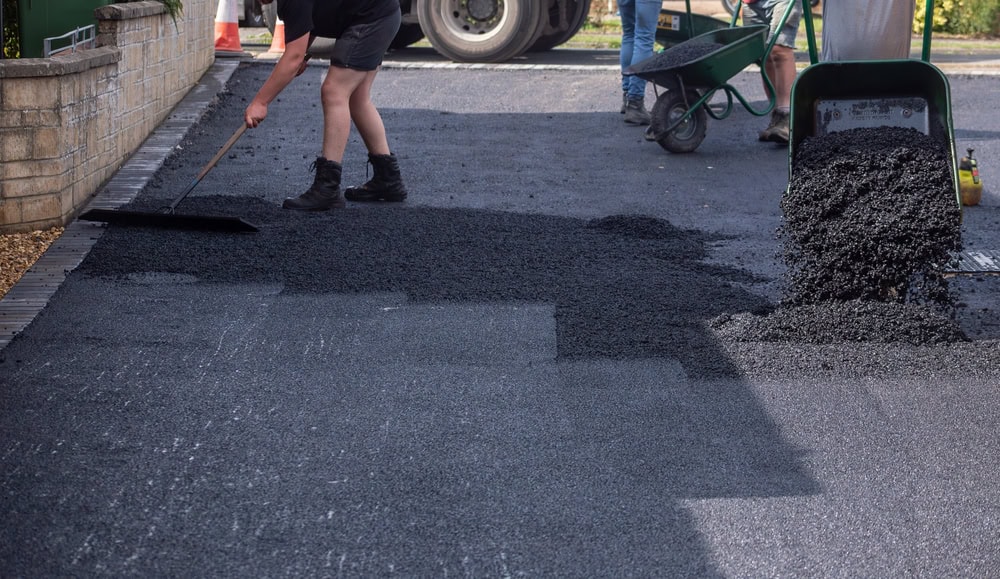
Your driveway stops being the thing you avoid looking at when you pull up. No more cracks spreading like spiderwebs across the surface. No more water pooling in the same spot every time it rains. No more explaining to guests why half of it is sinking.
You get a smooth, level surface that drains properly. You get asphalt that can handle Tennessee summers and winters without falling apart. You get curb appeal that actually adds value to your property instead of dragging it down.
And you get to stop worrying about it. A properly installed asphalt driveway doesn’t need constant attention or emergency repairs. It just works, year after year.
Tristar Paving LLC is a veteran-owned company based in Wilson County with over 50 years of combined experience in asphalt paving and driveway construction. We’ve paved driveways and parking lots all over the Greenbrier area, and we know exactly what holds up and what doesn’t.
Our military background means something here. It means showing up when we say we will. It means doing the job right the first time. It means no shortcuts, no excuses, and no disappearing halfway through your project.
We’re local to the Greenbrier, TN area, so we understand how Tennessee weather affects asphalt. We know the soil conditions around Robertson County. And we’ve seen what happens when paving contractors skip steps to save time or money. That’s exactly what we don’t do.
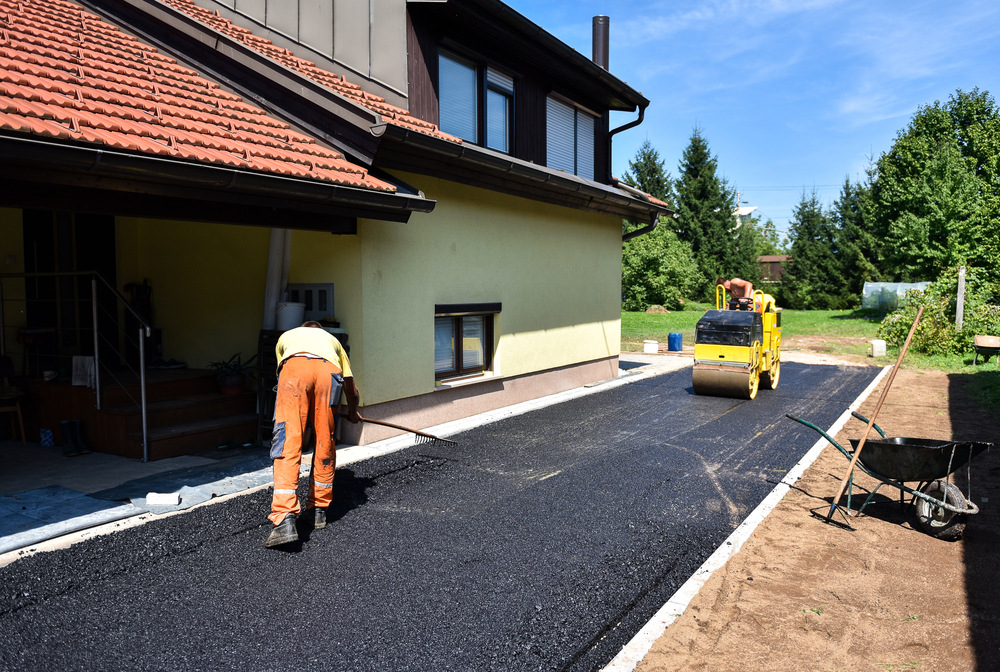
First, we assess your property and talk through what you actually need. We look at drainage patterns, grading requirements, and any existing issues that need fixing before new asphalt goes down. You get a clear estimate with no hidden fees or surprise charges.
Then comes the prep work, which is where most paving contractors cut corners. We excavate to the right depth, grade for proper drainage, and install a compacted gravel base. This foundation is what keeps your driveway from cracking and settling later. Skip it or rush it, and you’ll have problems within a few years.
Once the base is solid, we install the asphalt at the right thickness—usually at least three inches over that compacted base. We compact it properly using professional equipment so it cures evenly and holds up to daily traffic and weather exposure.
After installation, we walk you through basic maintenance so you know when to sealcoat and how to spot small issues before they become expensive problems. The whole driveway paving process typically takes a few days depending on size and scope, and you’ll know the timeline upfront.
Ready to get started?
Every driveway paving project starts with proper site evaluation and grading. In Greenbrier, TN, drainage is critical. The soil and terrain around Robertson County mean water needs somewhere to go, or it’ll sit on your driveway and cause damage. Proper driveway grading ensures water flows away from your home and off the pavement, preventing pooling and ice formation.
You get a compacted gravel base that’s built to support the asphalt above it. This isn’t optional or something to cheap out on. Skipping this step or doing it poorly is exactly why driveways crack and sink within a few years. The base supports everything, and it needs to be done right.
The asphalt itself is installed at the right thickness for residential use. That means at least three inches over a solid base, sometimes more depending on your property’s specific needs and soil conditions. It’s compacted correctly so it cures evenly and doesn’t develop soft spots or premature wear patterns.
We also handle driveway restoration for existing asphalt that’s seen better days. Sometimes you don’t need a full replacement—just targeted repairs, resurfacing, or sealcoating to extend the life of what’s already there. We’ll tell you honestly what makes sense for your situation and your budget, not just push the most expensive option.
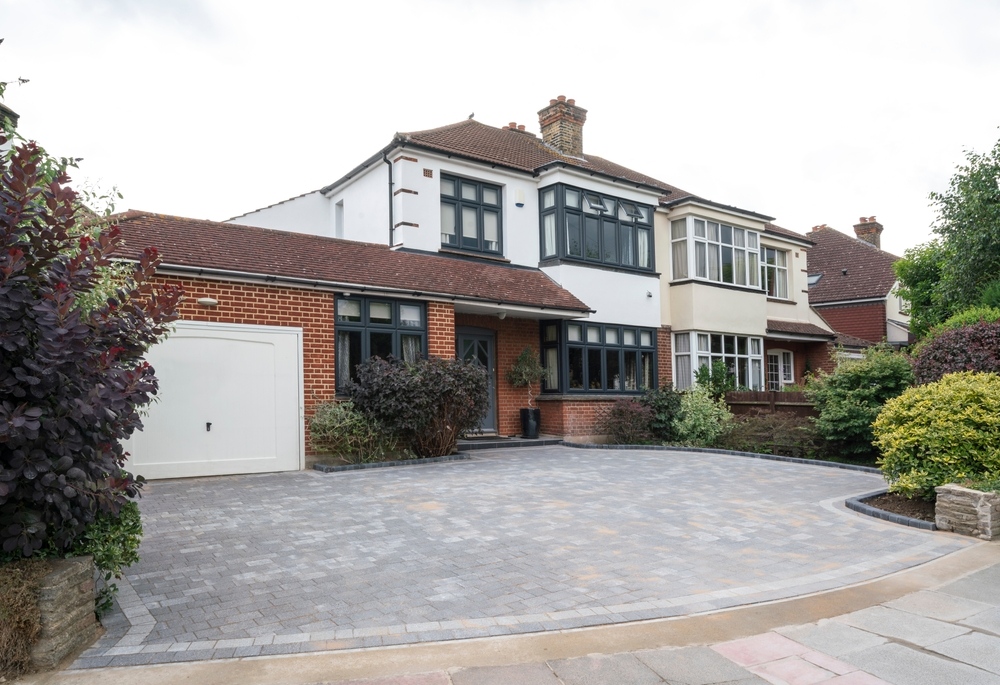
A properly installed asphalt driveway in Tennessee should last 25 to 30 years, sometimes longer with regular maintenance. The key word there is “properly installed.” If the base isn’t compacted right or the grading doesn’t account for drainage, you’ll start seeing cracks and settling within five years.
Tennessee weather is tough on asphalt. Hot summers soften the surface, and cold winters cause freeze-thaw cycles. Water gets into small cracks, freezes, expands, and makes those cracks bigger. That’s why the base work and drainage matter so much—they prevent water from getting underneath and causing damage.
Regular maintenance extends the life even further. Sealcoating every few years protects the surface from UV damage and water penetration. Filling small cracks before they spread prevents bigger repairs down the road. Most homeowners in Greenbrier who stay on top of basic maintenance get decades out of a well-built driveway.
Asphalt is more flexible, which matters in Tennessee’s climate. It expands and contracts with temperature changes without cracking as easily as concrete. It’s also faster to install and costs less upfront—usually $7 to $15 per square foot versus $10 to $18 for concrete. You can drive on asphalt within a day or two.
Concrete is harder and more rigid. It can crack if the ground shifts or if tree roots grow underneath. Repairs are more visible and more expensive because you can’t just patch concrete and make it blend in. But it does last longer if installed perfectly and maintained well—think 30 to 50 years versus 25 to 30 for asphalt.
For most homeowners in Greenbrier, asphalt makes more sense. It handles the climate better, costs less, and is easier to repair when needed. Concrete makes sense for certain commercial applications, but for a residential driveway that needs to perform in Tennessee weather, asphalt is typically the smarter choice.
Most asphalt driveways in the Greenbrier area run between $7 and $15 per square foot, depending on site conditions, prep work needed, and accessibility. A standard two-car driveway is usually in the $4,000 to $6,000 range, but that varies based on length, width, and how much excavation and grading is required.
If your property has drainage issues or needs significant grading work, that adds to the cost. Same with removing old asphalt or concrete before starting fresh. But those aren’t optional expenses you can skip—they’re necessary to make sure the new driveway lasts and performs properly.
The cheapest bid isn’t always the best value. Paving contractors who lowball the estimate usually skip steps or use inferior materials. They might use thinner asphalt, skip the gravel base entirely, or rush the compaction. You’ll save money upfront and spend significantly more fixing problems later. Get a detailed estimate that breaks down what’s included, and make sure it covers proper base prep and adequate asphalt thickness.
You can usually drive on new asphalt within 24 to 48 hours after installation, but it’s not fully cured yet. For the first week or two, avoid parking in the same spot repeatedly and don’t turn your steering wheel while the car is stationary. That can leave scuff marks or indentations in the surface while it’s still relatively soft.
Full curing takes several months. During that time, the asphalt continues to harden and strengthen. You might notice it’s a bit softer on hot summer days in Greenbrier—that’s completely normal. Just avoid heavy equipment, trailers on kickstands, or sharp objects that could gouge the surface during the first few months.
After about six months, your driveway is fully cured and ready for anything. That’s when you can consider sealcoating for the first time, though some paving contractors recommend waiting a full year. Either way, following these guidelines protects your investment and ensures the surface cures properly for maximum longevity.
Poor base preparation is the number one reason driveways fail early in Greenbrier and across Tennessee. If the gravel base isn’t thick enough or compacted properly, the asphalt above it will crack and sink. Water gets underneath, the ground shifts, and the surface breaks apart. This usually happens within the first few years if the base work was done wrong.
Bad drainage is the second biggest culprit. Water needs to flow off your driveway, not sit on it. If the grading is flat or slopes the wrong way, water pools and seeps into the asphalt. Tennessee’s freeze-thaw cycles turn small cracks into big ones fast when water is involved.
Skimping on asphalt thickness is another common mistake. Some contractors lay down two inches instead of three to save money and underbid competitors. That thin layer can’t handle the stress of daily use and weather exposure. It starts cracking almost immediately. A proper driveway installation with adequate thickness, solid base work, and correct grading avoids all of these problems.
Wait at least six months to a year after installation before sealcoating for the first time. New asphalt needs time to cure fully. Sealcoating too early can trap oils in the asphalt that need to evaporate during the curing process, which actually weakens the surface instead of protecting it.
After that first application, plan to sealcoat every two to three years. Tennessee weather is hard on asphalt—UV rays from the sun break down the binder that holds everything together, and temperature swings cause expansion and contraction. Sealcoating adds a protective layer that blocks UV damage and prevents water from seeping into small cracks.
You’ll know it’s time when the asphalt starts looking faded or gray instead of deep black. Small hairline cracks might start appearing on the surface. Sealcoating at this stage protects what’s underneath and extends the life of your driveway significantly. It’s a relatively small maintenance cost that saves you from major repairs or full replacement later.
Other Services we provide in Greenbrier