

Hear from Our Customers
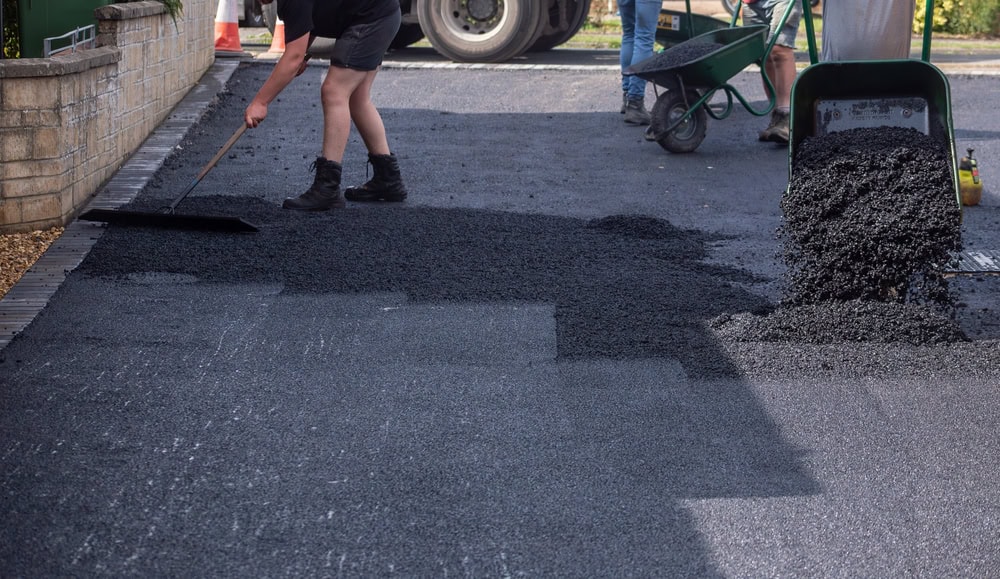
You pull up to a smooth, even surface that actually drains water away from your foundation instead of pooling it. No more dodging potholes or worrying about what guests think when they arrive.
The asphalt sits level with your garage floor. Water runs off to the sides instead of settling in low spots. And when it rains hard—like it does here—you’re not watching a pond form at the end of your driveway.
A properly installed driveway also means fewer headaches down the road. The right base, the right grading, and the right thickness add years to the surface. You’re not calling someone back in two seasons to patch cracks that shouldn’t be there yet.
We’ve been handling residential and commercial paving projects across the Nashville area for more than five decades. TriStar Paving LLC is veteran-owned, which means our work ethic runs deep and our standards don’t slide.
Based in Wilson County, we know what Goodlettsville driveways are up against. We’ve seen how the clay-heavy soil shifts with moisture. We understand how summer heat and winter freezes test every inch of asphalt. That local knowledge shapes how we prep the ground, grade for drainage, and choose materials.
Whether it’s a single-family driveway or a commercial parking lot, we approach each project with the same commitment to quality and durability. No shortcuts. No surprises.
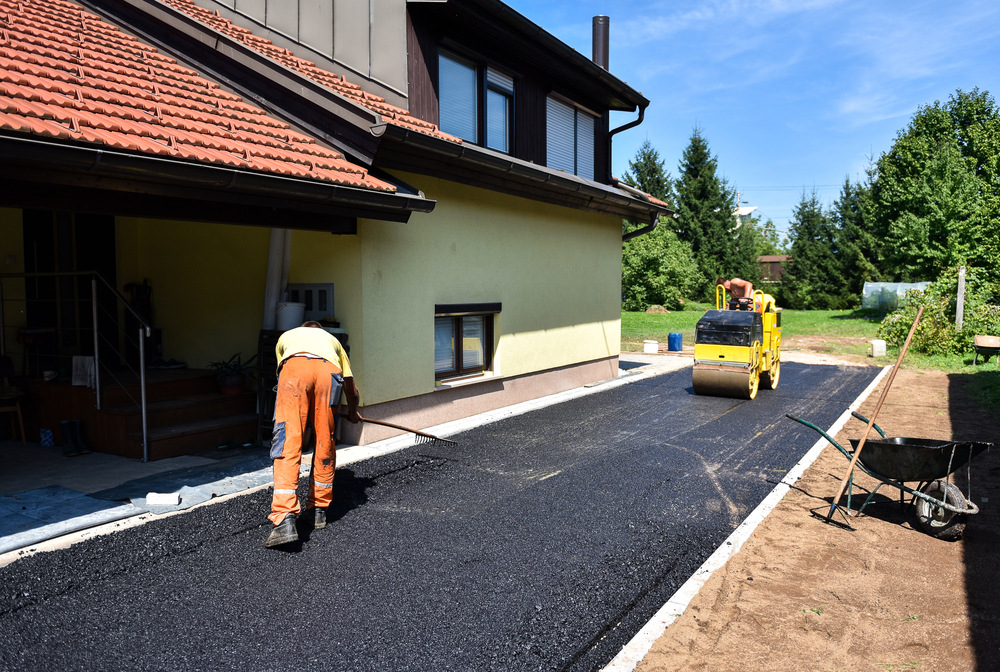
First, we evaluate your property. We look at drainage patterns, soil conditions, and how the driveway connects to the street and your garage. If there’s an old driveway, we remove it completely—no paving over problems.
Next comes grading and base prep. This step matters more than most people realize. The ground gets compacted properly so it won’t settle unevenly later. Drainage is built in from the beginning, sloping water away from your home and preventing pooling.
Then the asphalt goes down at the right thickness for your needs. Residential driveways typically get 3 to 4 inches, but that can vary depending on soil conditions and expected traffic. The material is compacted while it’s hot to create a dense, durable surface.
After installation, you’ll need to stay off it for a couple of days while it cures. We’ll give you a clear timeline so you know exactly when you can park on it again. Once it’s fully set, you’ve got a driveway designed to handle Tennessee weather for years.
Ready to get started?
Every driveway paving project starts with a site evaluation. You get a clear assessment of what needs to happen and why. If drainage is an issue, it gets addressed. If the soil needs extra base material, that’s factored in upfront.
The work includes complete removal of old materials if you’re replacing an existing driveway. That means hauling away broken asphalt or concrete, not just covering it up. Proper excavation and grading come next, followed by a compacted base that won’t shift or settle.
In Goodlettsville, where clay soil expands and contracts with moisture, base preparation isn’t optional. We account for local soil behavior and build the foundation accordingly. This prevents the cracking and sinking that happen when contractors skip steps or use inadequate materials.
You also get asphalt that’s installed at the correct temperature and compacted to the right density. The edges are finished cleanly where they meet your garage, sidewalks, or landscaping. And before we leave, the site is cleaned up—no piles of debris left behind for you to deal with.
Most residential driveways take one to three days depending on size and site conditions. If you’re replacing an old driveway, demo and removal usually happen on day one. Grading and base prep follow, then asphalt installation.
Weather plays a role. Asphalt needs to be installed when temperatures are consistently above 50 degrees, ideally in spring through fall. Rain delays things, and extreme heat can affect how the material is handled.
We’ll give you a timeline before starting so you can plan around it. Once the asphalt is down, you’ll need to keep vehicles off for 24 to 48 hours while it cures enough to support weight.
An overlay means adding a new layer of asphalt on top of your existing driveway. It’s less expensive because there’s no demo or base work. But it only makes sense if the current surface is in decent shape—minor cracks, some wear, but still structurally sound.
Full replacement involves tearing out the old driveway completely and starting fresh. You’d go this route if you have major cracking, drainage problems, or an unstable base. Replacement costs more upfront but gives you a driveway built to last another 15 to 20 years.
In Goodlettsville, where soil movement causes a lot of driveway issues, replacement is often the smarter call. Overlaying a driveway with foundation problems just kicks the can down the road. A site evaluation will tell you which option makes sense for your situation.
Costs vary based on size, site conditions, and whether you’re doing an overlay or full replacement. For a standard two-car driveway in the Nashville area, you’re typically looking at $3,500 to $6,200 for complete installation. That includes demo, grading, base prep, and asphalt.
Factors that affect price include how much excavation is needed, soil conditions, drainage requirements, and access to your property. If we have to haul material a long distance or work around obstacles, that adds labor time.
The best way to get an accurate number is a site visit. We can assess your specific property and give you a detailed estimate that accounts for all the variables. Avoid anyone who quotes a price over the phone without seeing the job.
All asphalt will develop some small cracks over time—that’s normal wear. But major cracking usually comes from poor installation, inadequate base prep, or drainage issues, not just weather.
Tennessee’s freeze-thaw cycles and clay soil do test driveways. When water gets into cracks and freezes, it expands and makes the damage worse. Clay soil shifts with moisture changes, which can stress the asphalt if the base wasn’t built to handle movement.
Proper installation prevents most problems. That means a thick, compacted base, correct asphalt thickness, and grading that keeps water moving off the surface. Sealcoating every few years also protects against moisture penetration and extends the life of your driveway significantly.
You can typically drive on new asphalt after 24 to 48 hours, but the full curing process takes longer. The surface hardens enough to support vehicle weight within a couple of days, but it continues to cure and strengthen for several weeks.
During the first week, avoid parking in the same spot repeatedly and be careful with sharp turns or heavy loads. Asphalt is more pliable when it’s fresh, especially in warm weather. Putting too much stress on it too soon can leave impressions or cause damage.
We’ll give you specific guidance based on the weather and the mix used. In hot summer months, you might need to wait a bit longer. In cooler weather, the surface firms up faster.
Sealcoating isn’t required, but it extends the life of your driveway and protects your investment. It creates a barrier against water, UV rays, and chemicals that break down asphalt over time. Most experts recommend sealcoating every two to three years.
You should wait at least six months to a year after installation before applying the first sealcoat. New asphalt needs time to cure fully before sealing. After that, regular applications help prevent small cracks from turning into bigger problems.
In Middle Tennessee, where driveways deal with temperature swings and heavy rain, sealcoating is worth the cost. It’s a relatively inexpensive maintenance step that can add years to your driveway and keep it looking good.
Other Services we provide in Goodlettsville