

Hear from Our Customers
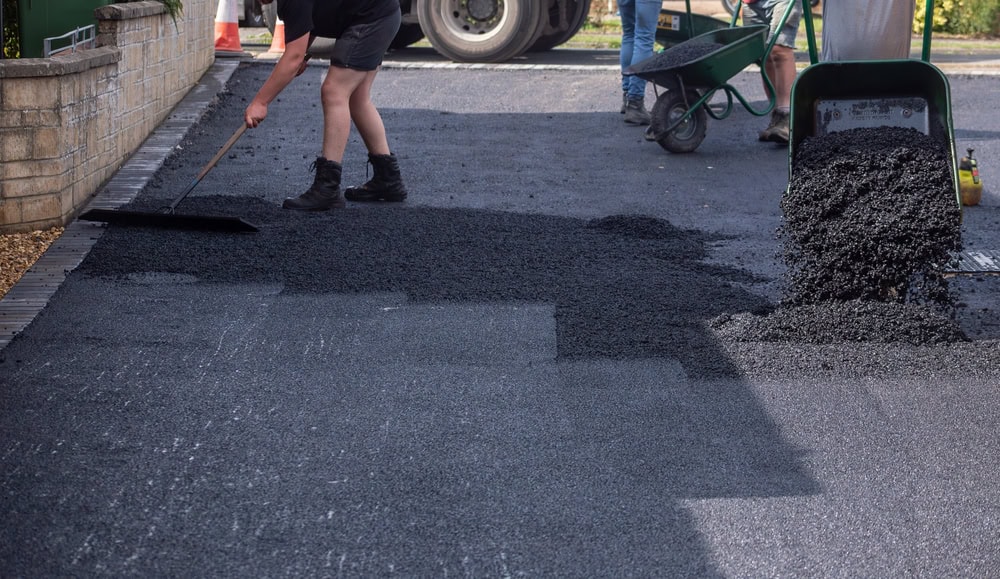
Your driveway stops being the eyesore you avoid looking at when you pull up. No more spiderweb cracks spreading across the surface every season. No more water pooling in low spots after every storm because someone didn’t grade it correctly.
You get a smooth, level surface that drains the way it should. One that doesn’t buckle and soften under Tennessee’s summer heat or crack apart when winter temperatures drop. One that genuinely adds value to your property instead of making you wish you’d chosen a better contractor.
This is what happens when base preparation is done correctly, quality asphalt materials are used, and the installation crew actually understands how pavement behaves in Cookeville’s climate. You’re not calling someone back in six months to patch failures that shouldn’t exist. The job is finished, and it stays finished.
TriStar Paving LLC is a veteran-owned asphalt paving company based in Wilson County with over 50 years of combined experience serving residential and commercial clients. We handle driveway construction, parking lot paving, and asphalt restoration throughout Cookeville, TN and the greater Nashville area.
What sets us apart is straightforward: we know Tennessee weather and what it does to asphalt. We’ve seen what happens when driveways are installed wrong in this climate—the cracking, the settling, the drainage failures. More importantly, we know how to prevent those problems through proper base preparation, correct grading, and materials designed for local conditions.
No sales pitches or runaround. Just experienced paving crews who’ve done this long enough to spot potential issues before they become expensive problems down the road.
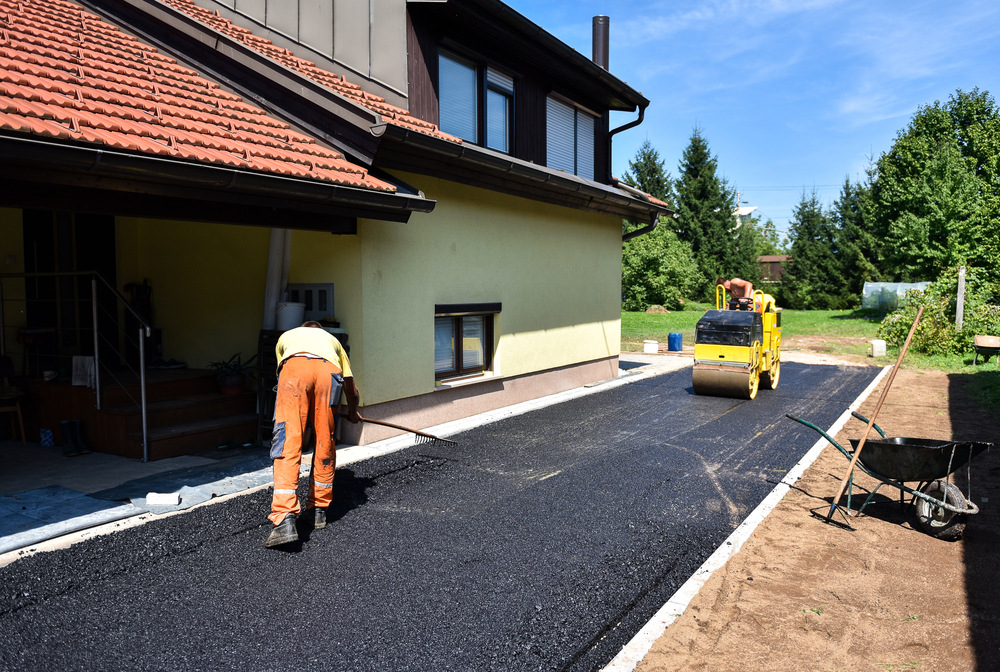
Every driveway paving project starts with removing the existing surface if necessary and evaluating the site for drainage and grading problems. This initial assessment matters more than most homeowners realize—if water doesn’t flow away from your driveway properly, nothing else in the process matters. You’ll have problems.
Next comes base preparation and grading. The subgrade gets excavated to the correct depth, then compacted and leveled. This is where shortcuts reveal themselves later as cracks, settling, and premature failure. A properly prepared, well-compacted base is what keeps your driveway from becoming a maintenance nightmare three years down the road.
Then comes asphalt installation. The material gets delivered hot and laid at the proper temperature, then compacted while it’s still workable. Timing is critical here—asphalt that cools too quickly doesn’t compact correctly, leaving you with a weaker surface. Once it’s down and properly rolled, you have a smooth, durable driveway ready to handle daily vehicle traffic and whatever weather Cookeville throws at it. The surface cures over time, gaining strength and becoming the long-lasting investment you paid for.
Ready to get started?
Every residential driveway paving project in Cookeville, TN begins with thorough site preparation and proper grading. That means identifying and fixing drainage issues before any asphalt gets laid down. Tennessee receives heavy rainfall throughout the year, and water is the single biggest threat to asphalt longevity when it doesn’t have a clear path away from your driveway.
You’re getting quality asphalt materials specifically chosen to handle local climate conditions—the intense summer heat that softens pavement, the temperature fluctuations that cause expansion and contraction, and the moisture that infiltrates any weak points in the surface. The asphalt mix and installation techniques account for these environmental factors instead of ignoring them.
The work includes proper compaction performed while the asphalt is at the optimal temperature range, creating a dense, durable surface that won’t fail prematurely. Professional edge work, clean transitions to existing surfaces like garage floors or public roads, and final grading all get completed so you’re left with a finished driveway that looks professional and functions correctly from day one.
In Cookeville’s climate, where driveways face constant UV exposure, heat stress, seasonal temperature changes, and moisture infiltration, these installation details determine whether your investment lasts 15 to 20 years or starts requiring repairs within three. The difference between a driveway that holds up and one that doesn’t usually comes down to base preparation, drainage solutions, and installation quality—not the asphalt itself.
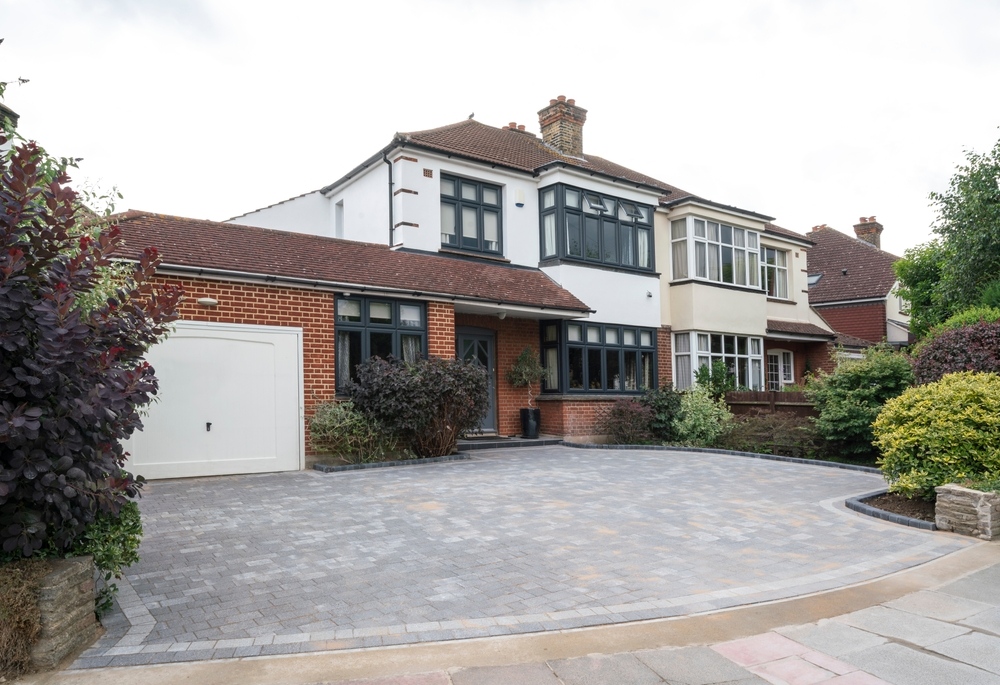
A properly installed asphalt driveway in Cookeville, TN typically lasts 15 to 20 years, sometimes longer with consistent maintenance. The actual lifespan depends heavily on installation quality and how well the driveway handles Tennessee’s specific climate challenges.
What causes premature failure here is usually water infiltration, inadequate drainage, or a weak base that wasn’t compacted correctly during installation. Tennessee experiences significant temperature swings that cause asphalt to expand and contract throughout the year. When cracks already exist in the surface, water seeps in and accelerates deterioration—especially during winter when that water freezes and expands.
Regular maintenance like sealcoating every two to three years and addressing small cracks immediately before they spread can extend your driveway’s functional life considerably. But the foundation of longevity is always proper installation from the beginning—correct base preparation, quality asphalt materials, proper compaction, and installation performed during appropriate weather conditions when temperatures support proper curing.
Late spring through early fall offers the best conditions for asphalt driveway installation in Tennessee. You want ambient temperatures consistently between 50 and 90 degrees Fahrenheit, with dry weather and no rain forecasted for at least 24 hours after installation.
Asphalt needs to be laid while hot and compacted while it’s still workable at the proper temperature. When it’s too cold outside, the material cools too quickly and doesn’t achieve proper compaction, resulting in a weaker finished surface. Extremely hot conditions create different challenges. Temperature matters both for the asphalt mix itself and for the existing ground surface that will support it.
That said, experienced paving contractors can work outside the ideal temperature window if site conditions are managed correctly and appropriate techniques are used. What you absolutely want to avoid is installation during extended cold periods, when temperatures are near freezing, or when the ground is saturated from heavy rainfall. The base needs to be stable and dry, and air temperatures need to support proper material handling and curing.
Driveway paving costs in Cookeville, TN vary significantly based on driveway size, existing site conditions, base preparation requirements, and whether old material needs complete removal. Most residential driveway projects range from a few thousand dollars for smaller, straightforward installations to considerably more for larger driveways or complex jobs requiring extensive site work.
What drives project costs higher is typically site preparation—addressing drainage problems, extensive excavation and base work, removal of deteriorated existing material, or difficult site access that complicates material delivery and equipment use. A simple asphalt overlay on top of a solid existing base costs substantially less than complete removal and reconstruction with new base materials. However, cutting corners on proper base preparation just to reduce upfront costs almost always results in higher expenses later through premature failure and constant repairs.
The smartest approach is requesting detailed estimates that break down exactly what’s included: site preparation and excavation, base material and compaction, asphalt thickness and quality, grading and drainage work, and any edge treatments or transitions. That way you’re comparing actual project scope and quality, not just bottom-line price numbers that might exclude critical work. Quality materials and professional installation cost more initially but deliver far better value by preventing premature failure and eliminating ongoing maintenance headaches.
Yes, but not immediately after installation. New asphalt needs adequate time to cure properly—typically six to twelve months—before the first sealcoat application. After that initial curing period, professional sealcoating every two to three years helps protect your driveway surface and significantly extend its functional lifespan.
Sealcoating creates a protective barrier against UV ray damage, water penetration, and normal surface wear from vehicle traffic. In Tennessee’s climate, where driveways face intense sun exposure and considerable temperature fluctuations throughout the year, this protection genuinely matters for long-term durability. UV rays progressively break down the binding agents in asphalt over time, leading to surface degradation, brittleness, and cracking.
Think of sealcoating as preventive maintenance rather than repair work. It won’t fix underlying structural problems, fill major cracks, or correct drainage issues, but it does substantially slow the natural aging process and prevents minor surface wear from developing into major problems. It’s a relatively affordable investment that protects the much larger investment you made in the driveway itself.
Driveway cracks develop for several reasons: inadequate base preparation during installation, water infiltration and freeze-thaw cycles, temperature-related expansion and contraction, and normal aging of asphalt materials. In Tennessee’s climate, temperature swings and moisture infiltration are the primary culprits behind premature cracking.
When water seeps into small surface cracks and then freezes during cold weather, it expands and progressively widens those cracks. Over multiple freeze-thaw cycles, this process accelerates deterioration significantly. Poor drainage makes everything worse—when water pools on your driveway surface or doesn’t flow away properly, it constantly seeks ways into the pavement structure and eventually damages the base layers underneath, causing settling and more extensive cracking.
Prevention starts with proper installation: a well-compacted base, correct grading that promotes water drainage away from the surface, and quality asphalt materials installed at appropriate temperatures. After installation, prevention becomes about consistent maintenance—sealcoating to protect the surface from UV and water damage, filling small cracks promptly before they spread, and keeping the driveway clean of debris that traps moisture against the surface. You can’t prevent every crack indefinitely, but you can dramatically slow the deterioration process and address problems early when they’re still simple and inexpensive to fix.
Asphalt is typically the better choice for driveways in Tennessee’s climate. It handles temperature fluctuations more effectively than concrete, costs less upfront, and proves easier and less expensive to repair when issues eventually arise.
Concrete driveways can crack from freeze-thaw cycles and temperature-related expansion and contraction, and repairs are both more visible and more expensive to execute properly. Asphalt offers more flexibility, so it tolerates ground movement and temperature changes without cracking as readily. When repairs do become necessary, they blend better with the existing surface and cost considerably less than concrete repairs.
Asphalt also provides a faster installation timeline and can be used sooner after installation compared to concrete’s lengthy curing requirements. The main ongoing maintenance requirement—sealcoating every few years—is straightforward and affordable compared to concrete maintenance. For most residential driveways in Cookeville, TN, asphalt delivers superior long-term value: lower initial installation cost, simpler and less expensive maintenance, better compatibility with local climate conditions, and a functional lifespan that matches or exceeds concrete when properly installed and consistently maintained.
Other Services we provide in Cookeville