

Hear from Our Customers
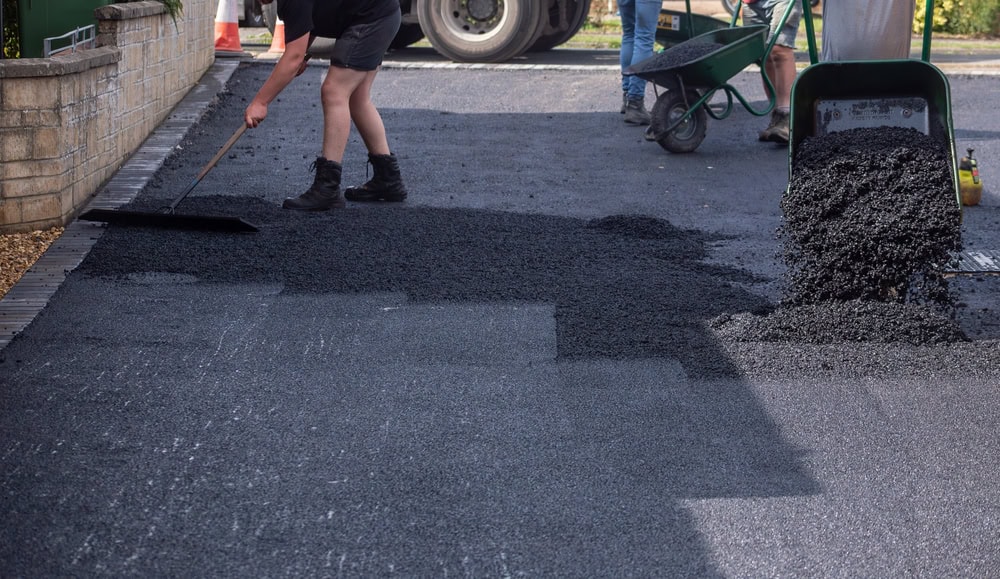
You pull into a smooth, professionally paved driveway that makes your neighbors take notice. No more dodging potholes or explaining away cracks to visitors.
The difference shows immediately. Your property value increases, your curb appeal transforms, and you stop worrying about water pooling near your foundation.
Most importantly, you’re done dealing with this problem for decades. When you invest in proper driveway construction, you’re buying peace of mind along with the pavement.
Tristar Paving is veteran-owned and we’ve been handling driveway paving projects across the Nashville area for over five decades. That’s a lot of Tennessee weather, a lot of different soil conditions, and a lot of satisfied homeowners.
You’re not dealing with fly-by-night contractors here. We understand Wilson County’s unique challenges – from our clay soil that shifts with the seasons to the freeze-thaw cycles that destroy cheap paving jobs.
When Bethel homeowners need driveway work done properly the first time, they call the company that’s been getting it right since before most competitors were even in business.
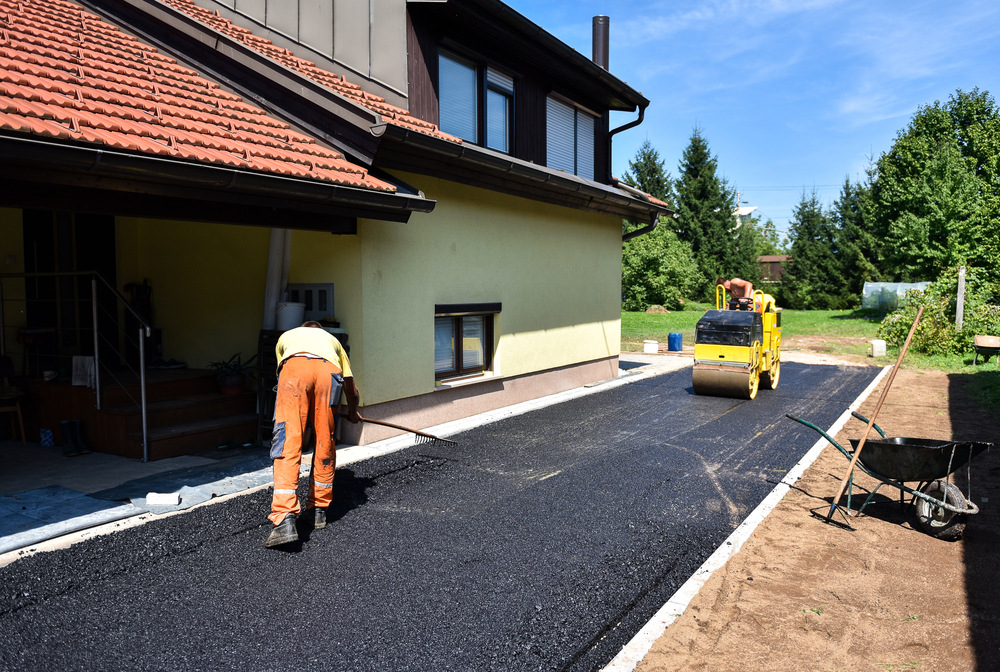
First, we evaluate your existing driveway and drainage situation. No surprises later – you know exactly what needs to be done and why.
Next comes proper preparation. The old surface gets removed if necessary, the base gets graded correctly, and drainage issues get addressed before any asphalt goes down. This step separates lasting driveways from ones that fail in three years.
Finally, professional-grade asphalt gets installed using commercial equipment. The surface gets compacted properly, edges get sealed, and you get a driveway that looks great and performs even better. Most projects complete within 1-2 days, depending on size and complexity.
Ready to get started?
We handle every aspect of driveway construction and restoration. From initial grading and drainage correction to final seal coating, you’re working with one team throughout the entire process.
Bethel’s clay soil and seasonal weather patterns require specific techniques that generic contractors often miss. We account for Tennessee’s freeze-thaw cycles, ensure proper water runoff, and use materials designed for our local climate conditions.
You get comprehensive service that includes excavation when needed, proper base preparation, professional asphalt installation, and finishing work that creates clean edges and smooth transitions. No subcontractors, no coordination headaches – just one experienced team delivering complete results.
Most residential driveway paving projects complete within 1-2 days, though this depends on size, existing conditions, and weather. Simple overlay jobs often finish in one day, while complete reconstruction with drainage work might take two days.
The timeline includes proper curing time. You can walk on new asphalt immediately, but avoid driving on it for 24-48 hours depending on temperature and thickness. Hot weather requires longer curing times.
Weather delays happen – Tennessee’s unpredictable spring and summer storms can push schedules back. However, rushing asphalt work in poor conditions creates problems later, so patience during installation pays off with better long-term results.
Asphalt overlay means installing new asphalt over your existing surface. This works when your current driveway has minor cracks but the base remains solid. It’s less expensive and faster than full reconstruction.
Complete reconstruction involves removing the old surface, addressing drainage and base issues, and building from the ground up. You need this when your driveway has major cracks, settling problems, or drainage issues causing water damage.
The choice depends on your current driveway’s condition. Overlay saves money short-term but won’t fix underlying problems. Reconstruction costs more upfront but solves drainage issues and provides a completely fresh start that lasts decades longer.
Water pooling anywhere on your driveway signals drainage problems that need addressing before new asphalt goes down. Look for standing water after rain, ice patches that form in specific spots, or water flowing toward your foundation.
Wilson County’s clay soil doesn’t absorb water well, making proper drainage critical for driveway longevity. Without correct grading and runoff management, even perfect asphalt installation will develop problems within a few years.
Signs include cracks following water flow patterns, soft spots that feel spongy underfoot, and vegetation growing in driveway cracks. If you notice any of these issues, mention them during your consultation so drainage corrections can be included in your project scope.
Asphalt handles Tennessee’s freeze-thaw cycles better than concrete because it’s more flexible. When temperatures fluctuate, asphalt expands and contracts without cracking as readily as concrete does.
Asphalt also costs less to install and repair. Small cracks in asphalt can be sealed easily, while concrete cracks often require complete section replacement. For Tennessee homeowners dealing with seasonal temperature swings, asphalt provides better long-term value.
The dark color helps with ice melting during winter weather, and asphalt surfaces can be seal coated every few years to extend their life and maintain appearance. Concrete doesn’t offer this maintenance option for refreshing the surface.
Driveway paving costs vary based on size, existing conditions, and scope of work needed. Simple overlay projects typically cost less than complete reconstruction with drainage improvements and base work.
Factors affecting price include current driveway removal requirements, drainage corrections needed, base preparation complexity, and final surface area. Properties requiring significant grading or drainage work cost more than straightforward installations.
The investment pays off through increased property value, eliminated maintenance headaches, and decades of reliable performance. Getting multiple quotes helps, but remember that extremely low bids often mean shortcuts that create expensive problems later.
Late spring through early fall provides optimal conditions for asphalt paving in Tennessee. Temperatures between 50-85 degrees allow proper asphalt compaction and curing, while dry weather prevents installation delays.
Avoid winter paving when possible. Cold temperatures prevent asphalt from compacting properly, leading to premature failure. Summer’s extreme heat can also create challenges, though experienced contractors can work around hot weather with proper techniques.
Spring and fall offer the best balance of moderate temperatures and lower precipitation. However, these seasons book up quickly, so schedule your project early. Emergency repairs can be done year-round, but planned installations work best during favorable weather windows.
Other Services we provide in Bethel