

Hear from Our Customers
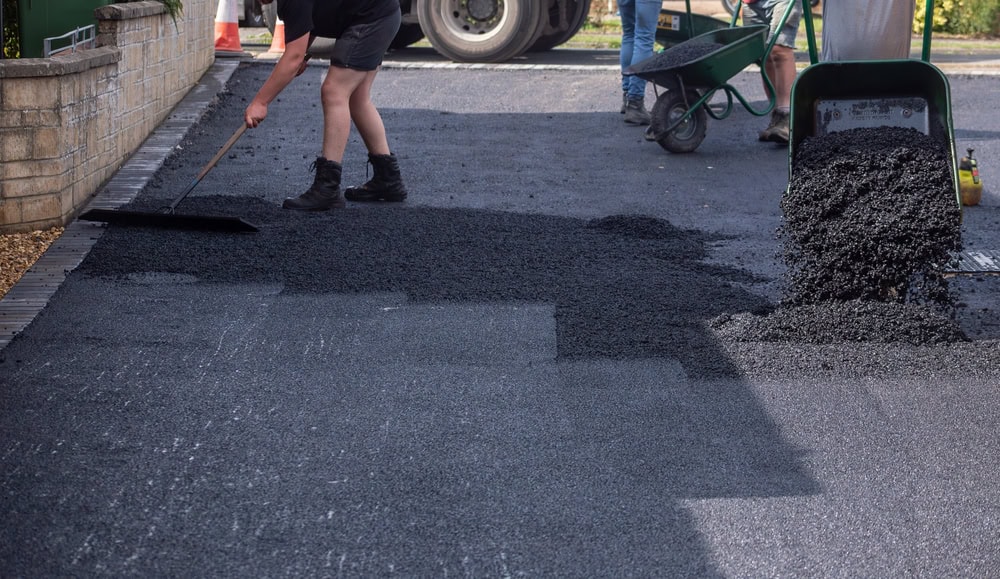
A properly installed asphalt driveway in Alexandria, TN gives you 15 to 20 years without constant repairs. It flexes with Tennessee’s freeze-thaw cycles instead of cracking like concrete. Water drains off properly because the grading was done right from the start.
You get a surface that stops making you wince every time you pull in. The black finish hides minor stains and wear. Small cracks—when they eventually show up after years—are easy and affordable to fill, not the expensive nightmare that concrete repairs become.
This is what happens when driveway construction is done by people who know Wilson County’s clay soil, understand drainage, and don’t cut corners on base preparation. Your driveway becomes something you stop thinking about instead of something you keep putting off dealing with.
TriStar Paving LLC is a veteran-owned asphalt paving company that’s been serving Alexandria, TN and Wilson County for over 50 years. We handle both residential driveways and commercial parking lots, which means we’ve seen every soil condition, drainage challenge, and weather pattern Middle Tennessee throws at us.
Being based in Wilson County matters. We’re not driving in from two hours away. We know how Alexandria’s clay soil behaves, how water moves through local properties, and what actually holds up in this climate.
The veteran-owned aspect isn’t just a badge—it’s how we operate. Show up when we say we will. Do what we promised. Leave the site cleaner than we found it. Finish the job right the first time.
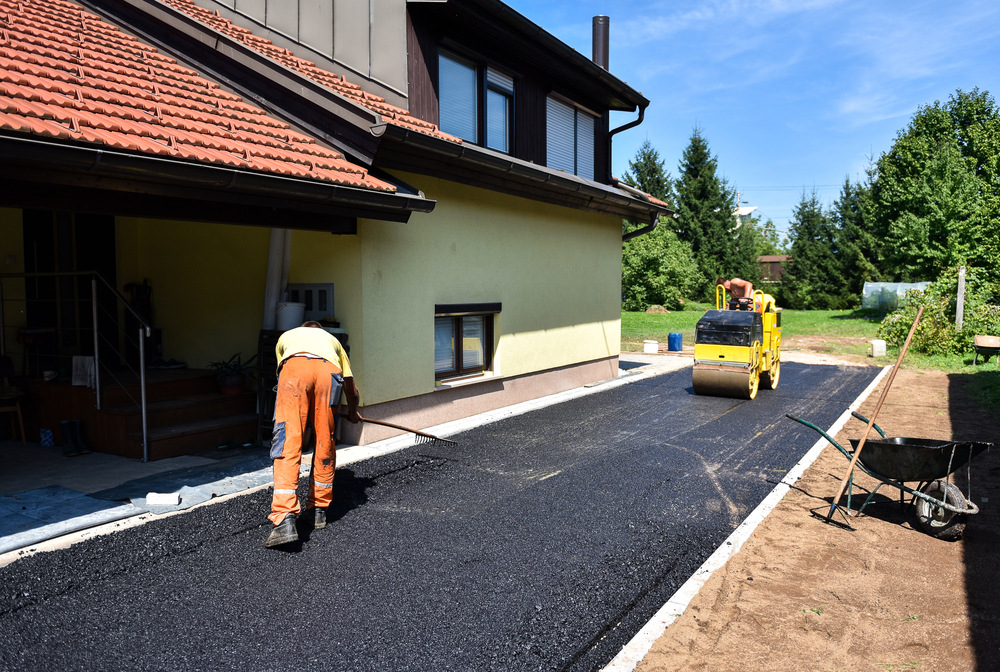
The driveway paving process starts with assessing your property. We’re looking at drainage patterns, soil conditions, and how water currently moves across your land. This determines what grading work you need and how much base preparation is required to prevent future settling.
Next comes excavation and base work—the part that separates driveways that last from ones that fail in three years. We dig to the proper depth, compact the soil correctly, and install a gravel base that won’t shift. The grading ensures water flows away from your house and off the driveway surface instead of pooling.
Then comes asphalt installation. The material arrives hot and gets spread evenly across the prepared base. Heavy rollers compact it to eliminate air pockets and create a dense, durable surface. Residential driveways in Alexandria, TN typically need 2 to 3 inches of compacted asphalt, sometimes more depending on soil conditions.
You can drive on it within 24 to 48 hours. Full curing takes longer, but you’re not stuck without access for weeks like you would be with concrete paving.
Ready to get started?
We handle the full scope of driveway paving services in Alexandria, TN—new installations on raw ground, complete tear-outs and replacements of failed driveways, and driveway restoration work like resurfacing existing asphalt that’s worn but structurally sound.
Every job includes proper site preparation, driveway grading for drainage, base installation, asphalt application, and compaction. We don’t cut corners on base prep to save time. That’s where most driveway failures start, and it’s the one thing you can’t fix later without tearing everything out.
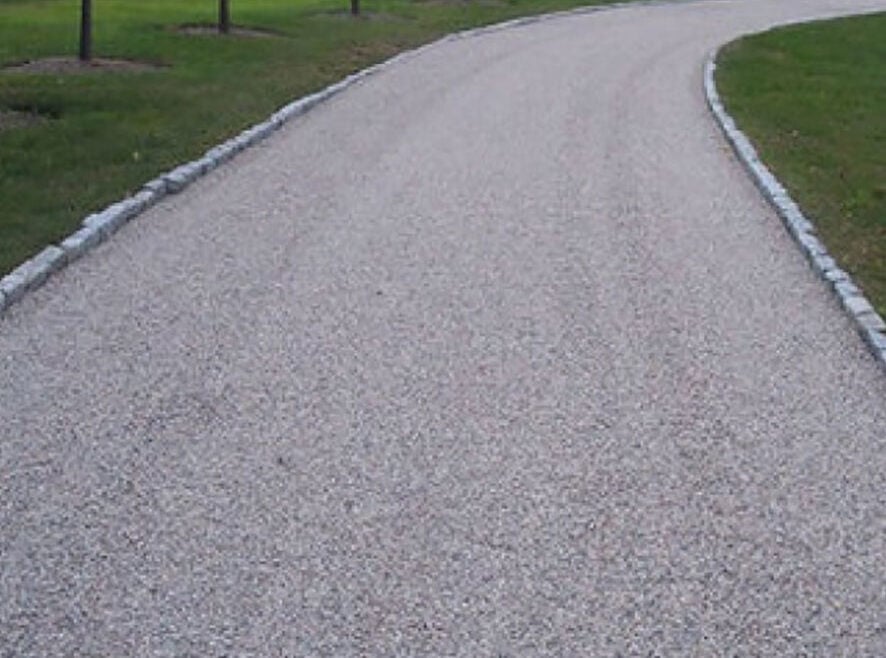
For homeowners in Alexandria specifically, proper grading is critical. Wilson County’s clay-heavy soil doesn’t drain well naturally. Water sits and causes problems if the driveway slope isn’t right. Our local experience means we know how to work with these soil conditions instead of fighting them. We also offer tar and chip installations for homeowners who want a different look or have longer rural driveways where traditional asphalt paving gets expensive.
With proper installation and basic maintenance, you’re looking at 15 to 20 years minimum. Some asphalt driveways in Middle Tennessee push past 25 years when they’re sealed regularly and repairs are addressed promptly.
The lifespan depends heavily on three things: base preparation quality, proper drainage, and maintenance. A driveway installed on a poorly compacted base will fail in under five years regardless of the asphalt quality. One with drainage problems deteriorates faster as water undermines the base. One that never gets sealed will oxidize and crack sooner than it should.
Tennessee’s climate actually favors asphalt over concrete for longevity. The material flexes with temperature changes instead of cracking during freeze-thaw cycles. As long as you’re sealing it every three to five years and filling cracks when they appear, you’re protecting your investment and maximizing lifespan.
For most Alexandria homeowners, asphalt makes more sense. It costs about half what concrete does upfront, handles Tennessee’s weather better, and repairs are simpler and cheaper when you eventually need them.
Concrete can crack during freeze-thaw cycles, which happen periodically in Wilson County. When concrete cracks, repairs are expensive and never match the original surface perfectly. Asphalt flexes with temperature changes, so it’s less prone to this type of damage. When asphalt does crack, you can fill and seal it affordably without the repair being obvious.
The main advantage concrete has is longevity in perfect conditions and more design options if you want decorative finishes. But you’re paying significantly more for those benefits, and Tennessee’s climate isn’t “perfect conditions” for concrete. If your priority is a durable, cost-effective driveway that performs well locally, asphalt is the practical choice.
The main maintenance task is sealcoating every three to five years. This protects the asphalt from oxidation, UV damage, and water penetration. It’s not complicated—many homeowners do it themselves with materials from a home improvement store, or you can hire it done for a few hundred dollars.
You’ll also want to fill cracks as they appear. Small cracks are normal and easy to address with crack filler. The key is catching them early before water gets underneath and causes bigger problems. If you let cracks go for years, you end up needing more extensive driveway restoration or resurfacing.
Beyond that, keep the surface clean and avoid parking heavy equipment in the same spot repeatedly, especially in hot weather. Asphalt can soften slightly in extreme heat, so spreading out where you park RVs or trailers prevents depressions from forming. That’s really it—seal it periodically, fix cracks promptly, and it’ll last decades.
Asphalt driveway paving typically runs $6 to $9 per square foot for standard residential installations in Middle Tennessee. A typical two-car driveway of 600 square feet would cost roughly $3,600 to $5,400, depending on site conditions and prep work required.
That price includes excavation, grading, base installation, and asphalt application. If your property has drainage challenges, needs significant grading work, or requires removal of old concrete or asphalt, expect additional costs. Properties with difficult access or unusual soil conditions may also cost more because they require extra prep work.
The cheapest quote isn’t always the best value. Companies that lowball pricing often skip proper base preparation or use thinner asphalt to cut costs. You end up with a driveway that fails prematurely and costs more to fix than you saved initially. Focus on paving contractors who explain what they’re doing and why, not just who quotes the lowest number.
Most residential driveway construction projects in Alexandria take one to two days from start to finish. Day one is typically excavation, grading, and base preparation. Day two is asphalt installation and compaction. Smaller driveways can sometimes be completed in a single day.
You can usually drive on the new asphalt within 24 to 48 hours, though full curing takes longer. Avoid parking heavy vehicles or turning your steering wheel while stationary for the first week to prevent surface marks while the asphalt is still settling.
Weather affects timing. Asphalt can’t be installed in rain or when temperatures drop too low. Spring and fall are ideal seasons in Tennessee—warm enough for proper asphalt curing but not so hot that the material becomes difficult to work with. Summer installations work fine, but they’re typically scheduled for cooler morning hours.
If your driveway has surface cracks and minor wear but the base is still solid, resurfacing or patching can extend its life for years. If you’re seeing widespread alligator cracking, significant settling, or areas where the base has failed, replacement makes more sense than trying to patch over structural problems.
The way to tell is by looking at crack patterns and how the surface feels when you walk on it. Small linear cracks are normal aging and can be filled. Alligator cracking—interconnected cracks that look like reptile skin—means the base has failed underneath. Sections that feel spongy or move when you step on them indicate base failure. These problems won’t be fixed by resurfacing.
A reputable paving contractor will be honest about what you actually need. If patching and sealing will buy you another five years, they should tell you that instead of pushing a full replacement. But if the driveway is structurally compromised, patching is throwing money away. We can assess your specific situation and explain what makes sense for your driveway’s condition and your budget.
Other Services we provide in Alexandria