

Hear from Our Customers
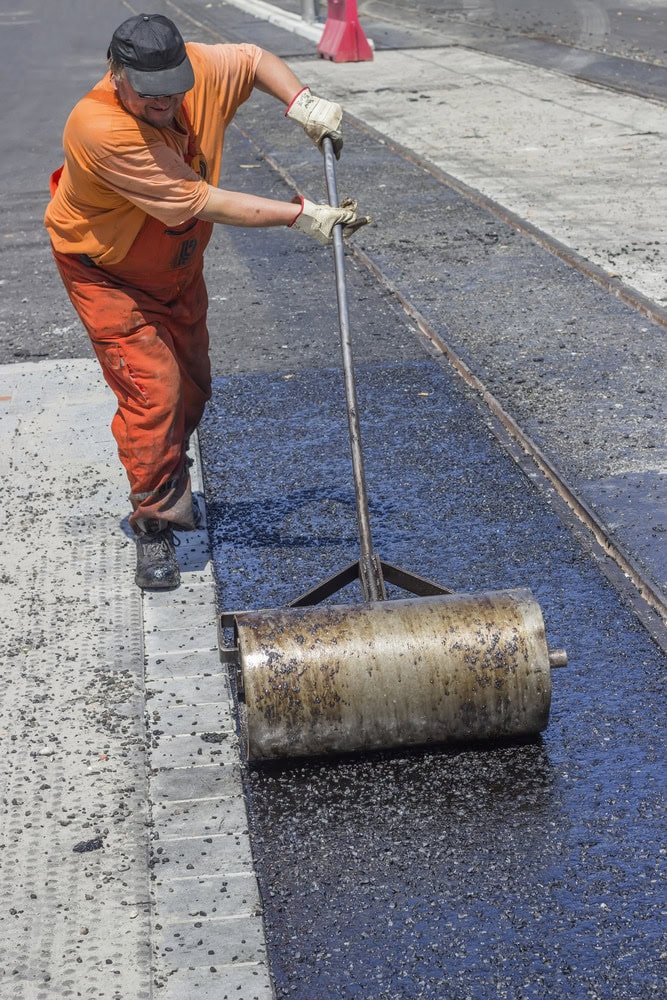
You’re not looking for a quick fix that cracks apart in two years. You want asphalt that stays smooth, drains properly, and doesn’t turn into a maintenance nightmare every season.
When asphalt is installed right, it flexes with temperature changes instead of fighting them. That matters in Tennessee, where summer heat and winter freezes put serious stress on pavement. Proper base preparation and drainage design keep water from pooling and seeping into cracks, which is what causes most long-term damage.
A well-paved surface means fewer repair calls, better curb appeal, and a driveway or lot you can actually count on for 15 to 30 years. That’s the difference between doing it right once and redoing it multiple times.
We’ve been handling residential and commercial paving projects across Wilson County and the Nashville area for more than five decades. Tristar Paving LLC is veteran-owned, which means the work ethic and attention to detail run deep.
We’ve paved everything from residential driveways in West End Heights to commercial parking lots for businesses that depend on first impressions. Our team knows how Middle Tennessee weather affects asphalt and what it takes to build surfaces that hold up year after year.
Being local means we understand the drainage challenges, soil conditions, and climate patterns that affect paving in this area. It’s not just about laying asphalt—it’s about doing it in a way that makes sense for where you live.

The process starts with an assessment of your property. We look at the existing surface, drainage patterns, and any problem areas that need attention. This isn’t a one-size-fits-all situation—every project gets evaluated based on what’s actually there.
Next comes site preparation. That means grading the area properly so water runs off instead of pooling. The base layer gets installed with the right materials to create a stable foundation. Skipping this step or doing it poorly is what leads to premature cracking and settling.
Once the base is solid, the asphalt gets laid and compacted to create a smooth, durable surface. For added protection, a sealant can be applied to guard against UV damage, water penetration, and everyday wear. The timeline depends on the size of the project, but most residential driveways are completed within a day or two.
After installation, you’ll need to wait 24 to 48 hours before driving on new asphalt. That’s not a suggestion—it’s what allows the surface to cure properly and reach full strength.

Ready to get started?
Every job includes proper site evaluation, grading, and drainage design. These aren’t extras—they’re the foundation of a paving project that actually lasts. Without them, you’re just covering up problems that will resurface within a few years.
We handle both residential driveways and commercial parking lots throughout West End Heights and the surrounding Nashville area. For homeowners, that means a driveway that improves curb appeal and holds up to daily use. For businesses, it means a parking lot that creates a professional first impression and keeps customers and employees safe.
We also offer tar and chip installations, which are a cost-effective alternative for rural driveways and roads. This method combines asphalt with gravel to create a textured, durable surface that works well in areas where traditional asphalt might not be necessary. It’s a practical option that still delivers long-term performance.
In West End Heights specifically, drainage is critical. The area’s terrain and rainfall patterns mean water management can’t be an afterthought. Proper grading and drainage solutions prevent water from undermining the pavement and causing premature failure. That’s the kind of local knowledge that makes a difference between a project that lasts and one that doesn’t.

With proper installation and regular maintenance, asphalt driveways and parking lots in West End Heights typically last 15 to 30 years. The lifespan depends on several factors: the quality of the base preparation, how well drainage was designed, the thickness of the asphalt layer, and how consistently you maintain it.
Tennessee’s climate puts extra stress on pavement. Hot summers cause expansion, and freezing winters cause contraction. Asphalt that’s installed with the right techniques can flex with these temperature changes instead of cracking. Regular sealcoating every two to three years adds a protective layer that guards against UV damage, water infiltration, and surface wear.
If you skip maintenance or if the original installation cut corners on base prep or drainage, you’ll see problems much sooner. Cracks, potholes, and water damage are usually signs that something wasn’t done right from the start. Investing in quality installation and staying on top of maintenance is what gets you to that 20- to 30-year mark.
Asphalt paving uses a hot mix of asphalt binder and aggregate that’s laid down and compacted to create a smooth, solid surface. It’s ideal for high-traffic areas like driveways and parking lots where you need a durable, even finish. Asphalt is what most people think of when they picture a traditional paved surface.
Tar and chip, also called chip seal, is a different process. A layer of hot liquid asphalt (tar) is applied to the surface, then loose gravel (chips) is spread over it and pressed in with a roller. The result is a textured, rustic-looking surface that’s more affordable than traditional asphalt and works well for rural driveways, farm roads, or areas where a smooth finish isn’t necessary.
Tar and chip costs less upfront and still provides good durability—typically 7 to 10 years with proper maintenance. It’s not ideal for areas with heavy turning traffic or where snow plowing is frequent, since the loose stones can shift. But for the right application, it’s a practical, budget-friendly option that holds up well to Tennessee weather.
Asphalt cracks for a few main reasons: poor base preparation, inadequate drainage, temperature fluctuations, and lack of maintenance. If the base layer wasn’t compacted properly or if the wrong materials were used, the pavement will settle unevenly and crack. Water is the other major culprit—when it seeps into small cracks, it erodes the base material and widens the damage. In winter, that water freezes and expands, making cracks even worse.
Preventing cracks starts with proper installation. The base needs to be graded correctly and compacted thoroughly. Drainage has to be designed so water runs off the surface instead of pooling or seeping underneath. The asphalt layer itself needs to be thick enough to handle the load it’s going to carry.
After installation, regular maintenance is key. Sealcoating every two to three years fills in small surface cracks and creates a waterproof barrier. If you spot cracks early, getting them filled right away stops water from getting in and causing bigger problems. Ignoring small cracks is how you end up with potholes and sections that need full replacement. Catching them early saves you money and extends the life of your pavement.
Asphalt paving costs in West End Heights typically range from $7 to $13 per square foot for a new installation, including materials and labor. That price can vary based on the size of the project, site conditions, how much prep work is needed, and the thickness of the asphalt layer. Smaller projects or areas that require significant grading and drainage work will be on the higher end.
For resurfacing an existing driveway or parking lot, costs are lower—usually $4 to $7 per square foot—because you’re adding a new layer over an existing base rather than starting from scratch. Basic maintenance like sealcoating runs about $3 to $7 per square foot and should be done every two to three years to protect your investment.
The upfront cost might seem significant, but asphalt is one of the most cost-effective paving options when you factor in longevity and maintenance. Concrete is more expensive and less flexible in Tennessee’s climate. Gravel is cheaper initially but requires constant upkeep. Asphalt gives you the best balance of durability, appearance, and long-term value. Getting multiple quotes and making sure the contractor includes proper base prep and drainage in the price is the smart way to approach it.
Asphalt installation works best in warm weather, typically when temperatures are consistently above 50 degrees Fahrenheit. The asphalt mix needs to stay hot during application and compaction to bond properly and create a smooth, durable surface. Cold temperatures cause the asphalt to cool too quickly, which can lead to poor compaction and a weaker finished product.
That said, experienced contractors can work in cooler weather if conditions are right. We’ll use hotter mix temperatures, work faster to keep the asphalt from cooling before compaction, and choose times of day when temperatures are at their peak. But there are limits—once you get into freezing temperatures or when the ground itself is frozen, installation becomes impractical and the results won’t hold up.
In West End Heights, the best time for asphalt paving is late spring through early fall. If you need repairs or have an urgent project during cooler months, talk to us about whether conditions are suitable. Cold-weather patching materials exist for emergency repairs, but they’re not ideal for full installations. Planning your project for the right season gives you the best chance of getting pavement that lasts.
Yes, sealcoating your asphalt driveway is one of the most important maintenance steps you can take. Sealant creates a protective barrier that guards against water penetration, UV damage from the sun, oil spills, and general wear from traffic. Without it, asphalt oxidizes and breaks down much faster, leading to cracks, fading, and surface deterioration.
You should wait about six months after a new asphalt installation before applying the first sealcoat. This gives the asphalt time to cure fully. After that, plan to reseal every two to three years depending on traffic levels and weather exposure. Driveways in West End Heights that see heavy use or full sun exposure might need sealing on the shorter end of that range.
The process is straightforward but needs to be done right. The surface has to be clean and dry, and the sealant needs to be applied evenly. You’ll need to stay off the driveway for 24 to 48 hours while it cures. Sealcoating costs a fraction of what you’d pay for major repairs or resurfacing, and it can add years to the life of your pavement. Skipping it to save money now almost always costs you more down the road.
Other Services we provide in West End Heights