

Hear from Our Customers
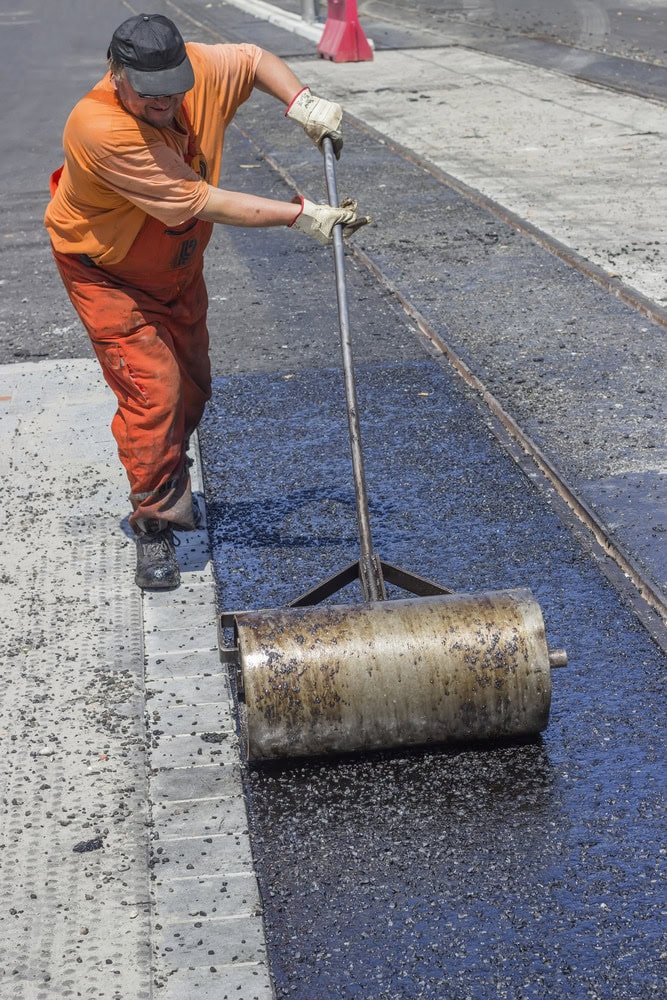
You’re not looking for the cheapest option. You’re looking for pavement that doesn’t crack in two years or turn into a maintenance nightmare.
When your driveway or parking lot is done right, you stop worrying about potholes, drainage problems, and constant repairs. Your property looks better. Vehicles move safely. Water drains where it should. And you’re not calling someone back in six months to fix what should’ve been handled correctly from the start.
That’s what proper asphalt paving gets you—a surface built to handle Tennessee weather, daily traffic, and the wear that comes with both. No shortcuts. No surprises. Just pavement that does its job for years, not months.
Tristar Paving LLC is a veteran-owned asphalt company based in Wilson County, serving residential and commercial clients throughout Smyrna and the greater Nashville area. We bring over 50 years of combined experience to every project, from residential driveways to commercial parking lots.
Being local to Smyrna means understanding how Wilson County’s soil conditions, climate, and weather patterns affect pavement. It means knowing what works here and what doesn’t. We specialize in durable, high-quality paving solutions designed to last—whether that’s a homeowner’s driveway in one of Smyrna’s growing neighborhoods or a business parking lot near the Nissan plant that sees heavy daily traffic.
We handle driveway paving, parking lot construction, asphalt paving, and tar & chip installations with the same focus: reliable results and customer satisfaction. Being veteran-owned means bringing the same discipline and commitment to excellence to every job.

First, we assess your site. That means looking at drainage, grading, the condition of any existing pavement, and what your property actually needs. Not every job is the same, and the approach shouldn’t be either.
Next comes prep work. If you’re replacing old asphalt, it gets removed. The base gets graded and compacted properly—this step matters more than most people realize. A weak base means problems later, no matter how good the asphalt looks on top. Proper drainage gets addressed here too, so water moves off the surface instead of pooling and causing damage.
Then the asphalt goes down. Professional-grade materials, applied at the right thickness for your specific use—whether that’s residential driveways or commercial paving that handles heavier loads. The surface gets compacted to the right density, creating a smooth, durable finish.
After installation, you’ll get guidance on when you can use the surface and what maintenance will keep it in good shape long-term. Most light vehicle traffic can resume within a day, but full curing takes a bit longer. Regular sealcoating down the road protects your investment and extends the life of the pavement.

Ready to get started?
For residential paving in Smyrna, that typically means driveways built to handle daily family use, proper drainage to prevent water damage, and a clean finish that improves your home’s curb appeal. Asphalt driveways are cost-effective compared to concrete, can last 15 to 25 years with proper maintenance, and hold up well to Tennessee’s temperature swings.
Commercial paving covers parking lot construction, resurfacing, and repairs for Smyrna businesses. This includes proper base preparation for heavier traffic loads, drainage solutions to prevent standing water and liability issues, and surfaces that can handle the daily wear of customers, delivery trucks, and employee vehicles. A well-maintained parking lot isn’t just about appearance—it’s about safety and avoiding costly damage claims.
Smyrna’s location in Rutherford County means dealing with both hot summers and cold winters. Asphalt handles this better than many alternatives because it’s flexible enough to expand and contract with temperature changes without cracking immediately. But it does need proper installation and periodic maintenance like sealcoating to protect against UV damage, water infiltration, and everyday wear.
Whether you’re a homeowner tired of a cracked driveway or a business owner dealing with parking lot potholes near Smyrna’s growing commercial districts, the process is similar: assess what you actually need, prepare the site correctly, use quality materials, and install it right. The difference between a paving job that lasts and one that fails early usually comes down to those fundamentals.

Most asphalt paving in Smyrna runs between $7 and $15 per square foot, including materials and labor. But that range exists for a reason—your actual cost depends on several factors.
Size matters. A standard two-car driveway around 600 square feet will cost less overall than a large commercial parking lot, though per-square-foot pricing can shift based on scale. Thickness matters too. A residential driveway might need 2 to 3 inches of asphalt, while commercial paving handling heavier loads often requires 4 inches or more.
Site conditions affect price significantly. If your property needs significant grading, has drainage issues that need correction, or requires removal of old pavement, those add to the total. A flat, well-drained site with good existing base material costs less to pave than sloped property with poor drainage and soft soil. The type of asphalt also plays a role—standard hot mix asphalt is most common and cost-effective, while specialty options like porous asphalt for better drainage cost more but solve specific problems.
A properly installed asphalt driveway in Tennessee typically lasts 15 to 25 years, sometimes longer with good maintenance. But there’s a big difference between “installed” and “properly installed.”
Tennessee’s climate—hot summers, cold winters, and plenty of rain—puts stress on pavement. Asphalt handles temperature changes better than concrete because it’s flexible, but that flexibility only works when the installation is done right. That means adequate thickness (at least 2 to 3 inches for residential driveways), a well-compacted base, and proper drainage to move water away from the surface.
Maintenance extends lifespan significantly. Sealcoating every 2 to 3 years protects against UV damage and water infiltration. Filling cracks promptly prevents them from spreading. Addressing drainage issues before they cause major damage saves the pavement. Driveways that get this basic care routinely hit 20 to 25 years. Ones that don’t often start showing serious problems within 10 years.
The base preparation matters more than most people realize. A driveway with proper base material and compaction will outlast one with perfect asphalt on top of a weak base every single time.
The main differences come down to thickness, base preparation, and what the pavement needs to handle. Residential paving serves cars, SUVs, and light trucks. Commercial paving deals with heavier vehicles, constant traffic, and higher liability stakes.
For residential driveways in Smyrna, 2 to 3 inches of asphalt over a properly prepared base typically works fine. The pavement needs to handle daily family use, look good, and drain properly. Installation is usually faster and less complex because the loads are lighter and the area is smaller.
Commercial paving—parking lots, business access roads, loading areas—requires more robust construction. That often means 3 to 4 inches of asphalt or more, depending on expected traffic. The base needs to be thicker and more thoroughly compacted because delivery trucks, service vehicles, and constant traffic put far more stress on the surface. Drainage becomes more critical because standing water in a parking lot creates liability issues and accelerates pavement failure.
Commercial projects also typically include striping, ADA-compliant markings, and sometimes speed bumps or wheel stops. The stakes are higher too—a failed commercial parking lot affects your business operations and creates potential liability if someone gets hurt. That’s why commercial paving costs more per square foot but needs to meet higher standards.
If you’re seeing a few small cracks and minor surface wear, repair usually makes sense. If you’ve got widespread cracking, significant potholes, or drainage problems causing water to pool, replacement is likely the better call.
Here’s a practical way to evaluate it: minor cracks (less than a quarter-inch wide) and small isolated areas of damage respond well to crack filling and patching. This kind of repair is cost-effective and can extend your driveway’s life by several years, especially if the base underneath is still solid. Sealcoating after repairs protects the surface and improves appearance.
But if you’re seeing alligator cracking (that interconnected web pattern), multiple potholes, significant rutting, or areas where the pavement is sinking, the base has likely failed. Patching these issues is temporary at best—you’re throwing money at symptoms while the underlying problem gets worse. When the base fails, the asphalt on top will keep failing no matter how many times you patch it.
Drainage issues are another red flag. If water pools on your driveway regularly, that’s accelerating damage and will continue to do so until the grading or drainage is fixed. That usually requires more than surface repairs. An experienced paving contractor can assess your specific situation and tell you honestly whether repair or replacement makes financial sense. Sometimes resurfacing—adding a new layer of asphalt over the existing surface—splits the difference if the base is solid but the surface is worn.
Late spring through early fall typically offers the best conditions for asphalt paving in Smyrna. Asphalt needs warm temperatures to cure properly, and Tennessee’s spring and summer weather provides that consistently.
Asphalt is applied hot—usually between 300 and 350 degrees—and needs to cool and cure in temperatures above 50 degrees Fahrenheit for best results. Cooler weather slows curing, and cold temperatures can prevent proper compaction. That doesn’t mean paving can’t happen in fall or winter, but ideal conditions exist when daytime temperatures are consistently in the 60s or higher.
Rain is the other consideration. You can’t pave in the rain, and the surface needs to be dry before installation. Smyrna gets rain throughout the year, but summer typically offers more predictable weather windows. That said, experienced contractors can work around weather and schedule projects when conditions are right.
One practical consideration: many paving contractors are busiest in late spring and summer. If your schedule is flexible, early spring or early fall sometimes offers better availability and potentially better pricing due to lower demand. But the most important factor isn’t the calendar—it’s working with a contractor who understands local weather patterns and won’t rush a job in poor conditions just to get it done.
Yes, sealcoating protects your asphalt and significantly extends its lifespan. Most driveways in Smyrna should be sealed every 2 to 3 years, though timing depends on usage and exposure.
Sealcoating does several important things. It protects against UV damage from Tennessee sun, which breaks down asphalt binder over time. It prevents water from seeping into small cracks and causing bigger problems through freeze-thaw cycles. It resists oil and gas spills that can soften and damage asphalt. And it improves appearance, giving your driveway that fresh, dark finish.
New asphalt shouldn’t be sealed immediately—it needs 6 to 12 months to cure fully before the first sealcoat application. After that, every 2 to 3 years is standard for residential driveways. Commercial parking lots with heavier traffic might need it more frequently.
You’ll know it’s time when the surface starts looking gray or faded instead of deep black, or when you’re seeing more small cracks appear. Sealcoating is preventive maintenance—it’s far cheaper than letting the pavement deteriorate to the point where you need major repairs or replacement. Think of it like changing your oil instead of replacing your engine. The cost is minimal compared to what you’re protecting.
Other Services we provide in Smyrna