

Hear from Our Customers
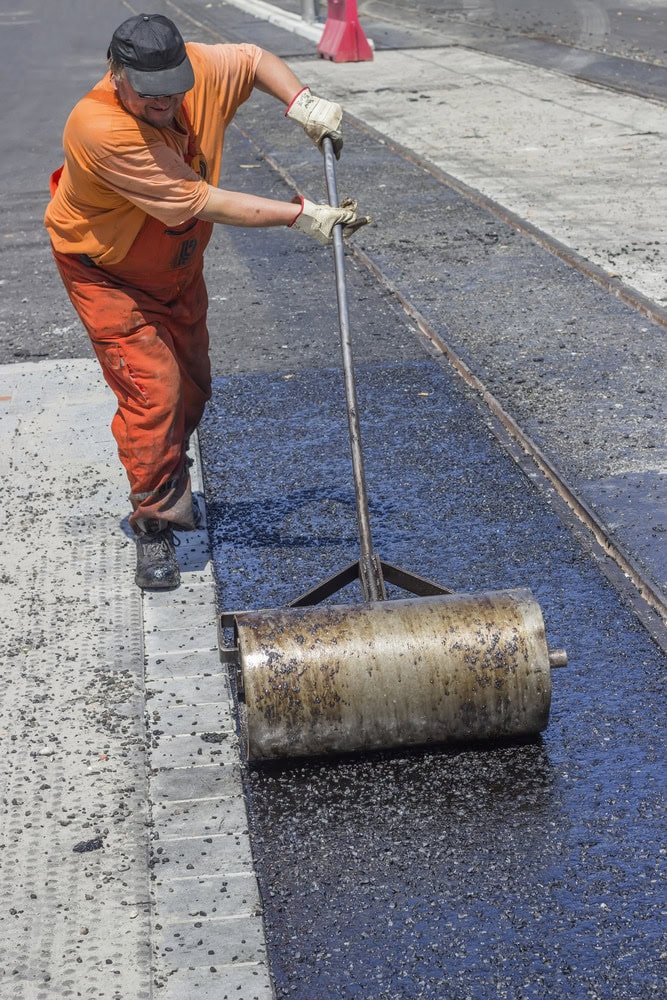
Your driveway or parking lot faces Wilson County’s toughest conditions every day. Freeze-thaw cycles crack weak asphalt. Summer heat softens poorly mixed surfaces. Winter salt eats through unsealed edges.
When you choose the right paving contractor, you get surfaces that handle it all. No more annual crack repairs. No more water pooling after storms. No more embarrassing potholes in your business parking lot.
You get smooth, durable asphalt that looks professional and stays that way. Your property value increases. Your maintenance headaches decrease. That’s what proper paving delivers.
We bring over five decades of asphalt expertise to Wilson County. As a veteran-owned company, we understand the importance of doing the job right the first time.
We’ve watched Shop Springs grow from a quiet community to a thriving area with expanding subdivisions and increased traffic. That growth means more driveways need paving, more businesses need parking lots, and more property owners need contractors who understand local conditions.
Wilson County’s clay soil and temperature swings create unique challenges. We know how to prep the base properly, choose the right asphalt mix, and time the work for optimal results. We serve both residential homeowners and commercial businesses throughout the Nashville area.

First, we evaluate your site and soil conditions. Wilson County’s clay soil requires specific preparation techniques to prevent settling and cracking. We check drainage patterns and grade requirements.
Next comes proper site preparation. We excavate to the right depth, install proper base materials, and compact everything to specifications. This foundation work determines how long your asphalt will last.
Finally, we apply the asphalt in the right thickness for your traffic load. Residential driveways get different treatment than commercial parking lots. We time the work for optimal weather conditions and allow proper curing time. You get a surface that’s ready to handle whatever Wilson County weather brings.

Ready to get started?
We handle everything from residential driveways to large commercial parking lots. We understand that a homeowner’s driveway needs different specifications than a business parking area that handles delivery trucks.
For residential projects, we focus on curb appeal and longevity. We work around your schedule and protect your landscaping. For commercial work, we minimize business disruption and meet ADA compliance requirements.
Shop Springs sits in Wilson County where expanding subdivisions create steady demand for quality paving. New construction needs fresh asphalt. Older properties need resurfacing or complete replacement. We provide tar and chip installations for rural properties and full asphalt paving for urban areas. We serve the entire Nashville area with the same attention to detail.

Properly installed asphalt in Wilson County typically lasts 15-20 years with basic maintenance, or 20-30 years with regular sealcoating. The key factors are proper base preparation and choosing the right asphalt mix for local conditions.
Wilson County’s freeze-thaw cycles are hard on pavement. Water gets into small cracks, freezes, and expands the damage. Quality installation includes proper drainage and base preparation to minimize this issue. Regular sealcoating every 3-5 years protects the surface from water penetration and extends the life significantly.
Commercial surfaces with heavy truck traffic may need resurfacing sooner, typically 12-15 years. Residential driveways with lighter traffic often exceed 20 years when properly maintained.
Late spring through early fall offers the best conditions for asphalt paving in Shop Springs. Temperatures should be consistently above 50 degrees for proper compaction and curing.
April through October typically provides ideal weather windows. Summer heat can make working conditions challenging, but modern techniques allow quality installation even in hot weather. The key is avoiding rainy periods and temperature extremes.
Winter paving is possible but requires special techniques and weather monitoring. Emergency repairs can be done year-round, but planned projects should wait for favorable conditions. Proper timing ensures the asphalt bonds correctly and achieves maximum durability.
Asphalt paving in Tennessee typically ranges from $3-7 per square foot, depending on thickness, site conditions, and project size. Residential driveways average $4-5 per square foot, while commercial projects vary based on specifications.
Site preparation significantly affects cost. Properties with poor drainage, soft soil, or significant grading needs require additional base work. Wilson County’s clay soil sometimes needs extra preparation, which increases the investment but ensures long-term durability.
Larger projects cost less per square foot due to economies of scale. A 500-square-foot driveway costs more per square foot than a 5,000-square-foot parking lot. Quality materials and proper installation techniques provide better long-term value than choosing the cheapest option.
Most residential driveway paving in Shop Springs doesn’t require permits if you’re replacing existing pavement within the same footprint. However, new driveways or changes to drainage patterns may need Wilson County approval.
Commercial paving projects typically require permits, especially for parking lots over certain sizes or projects affecting stormwater management. ADA compliance requirements also apply to business parking areas.
Check with Wilson County planning department before starting any paving project that changes drainage, adds impervious surface, or connects to public roads. Your paving contractor should understand local requirements and help navigate the permit process if needed.
Asphalt costs less initially and handles freeze-thaw cycles better than concrete in Tennessee’s climate. It’s easier to repair and can be resurfaced without complete replacement. Concrete lasts longer but costs significantly more upfront.
In Wilson County’s climate, asphalt’s flexibility gives it an advantage. Temperature changes cause concrete to crack more readily, and repairs are more visible and expensive. Asphalt repairs blend seamlessly with the existing surface.
Concrete offers more design options and doesn’t need regular sealcoating. However, salt damage and freeze-thaw cracking are permanent problems with concrete. Asphalt can be sealcoated to protect against these issues and refreshed periodically to maintain appearance.
Sealcoat your asphalt every 3-5 years to protect against water penetration and UV damage. Fill cracks promptly before water can freeze and expand the damage. Keep the surface clean and avoid heavy vehicles when possible.
Tennessee’s freeze-thaw cycles are the biggest threat to asphalt. Small cracks let water in, which freezes and expands, creating bigger problems. Annual crack sealing prevents this cycle and extends pavement life significantly.
Avoid using rock salt directly on asphalt in winter. Sand provides traction without chemical damage. Keep gutters and drainage clear to prevent water from pooling on the surface. Regular cleaning removes debris that can stain or damage the asphalt over time.
Other Services we provide in Shop Springs