

Hear from Our Customers
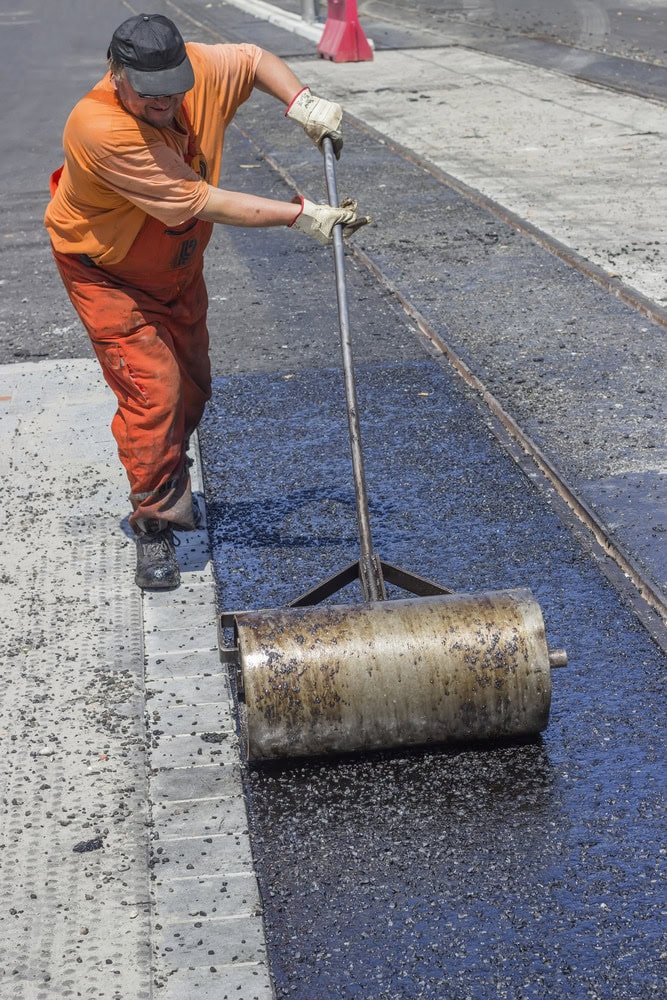
Your driveway stops being something you think about every time it rains. No more watching new cracks appear after a hard freeze. No more second-guessing whether you hired the right contractor or if you should have paid more.
Properly installed asphalt just works. You pull in and out daily without noticing it, which is exactly the point. Your parking lot handles customer traffic without becoming a safety liability or an eyesore. That smooth, solid surface you’re after isn’t complicated—it just requires someone who knows what they’re doing.
We bring over 50 years of combined experience working specifically in Middle Tennessee conditions. We understand that Nashville’s summer heat in the high 80s affects asphalt differently than northern climates. We account for the nearly six inches of monthly rainfall that hits in spring, and we know freeze-thaw cycles will exploit every shortcut in base preparation. When you’ve been doing this for five decades in the same region, you learn what holds up and what fails.
The difference shows up three, five, ten years down the road when your neighbor’s driveway is cracking and yours isn’t.
TriStar Paving LLC is a veteran-owned asphalt paving company based in Wilson County, Tennessee, serving residential and commercial clients throughout the Nashville area. We bring over 50 years of combined experience to every driveway, parking lot, and paving project we touch.
We work on residential driveways for homeowners who want their property to look right and commercial parking lots for businesses that need safe, functional pavement that lasts. Our services include driveway paving, parking lot construction, asphalt repairs, resurfacing, and tar and chip installations. Whether it’s a single-family home in East Nashville or a commercial property in Brentwood, our approach stays the same—do it right so it lasts.
Being local and veteran-owned means something here. We understand Nashville weather patterns and how they beat up asphalt over time. We’ve seen what happens when contractors skip proper base preparation or ignore drainage. And we’ve built our reputation on delivering work that holds up, so you aren’t calling someone else to fix problems two years later.

Everything starts with a site evaluation. Our crew looks at your existing pavement, drainage patterns, soil conditions, and what your surface needs to handle daily. If you’ve got an old driveway, we’ll tell you straight whether patching makes sense, if an overlay will work, or if you need full replacement. You won’t get upsold on work you don’t need.
Prep work comes next, and this is where your pavement’s future gets decided. We remove failing material, correct grading issues, and install a properly compacted base that won’t shift when Nashville’s clay soil gets saturated. Most pavement failures trace back to this phase—either rushed, skipped, or done wrong. We don’t skip it.
Then comes asphalt installation at the correct thickness for your use. Residential driveways typically get 3-4 inches. Commercial lots handling delivery trucks and constant traffic get thicker applications. The asphalt goes down hot, gets compacted correctly, and needs time to cure. You’ll stay off it for 24-48 hours, with full curing taking about 30 days.
After installation, you’ll get clear guidance on maintenance. Sealcoat after the first year, then every 2-3 years after that. Follow that schedule and your asphalt should deliver 20-30 years of service. Ignore it and you’ll be looking at replacement in half that time.

Ready to get started?
We handle both residential driveway paving and commercial parking lot construction across Nashville and Wilson County. Homeowners get new driveway installation, asphalt repairs, resurfacing, and tar and chip options. Commercial property owners get parking lot paving, repairs, maintenance, and resurfacing that keeps facilities safe and presentable.
The Nashville area presents specific challenges that out-of-town contractors often underestimate. Summer heat regularly hits the high 80s, softening asphalt and accelerating surface wear. Spring brings heavy rainfall—nearly six inches monthly—that tests every drainage decision made during installation. Winter delivers freeze-thaw cycles that expand trapped moisture, turning small cracks into major failures if the base wasn’t prepared correctly.
These aren’t occasional problems. They happen every year, which makes proper installation critical. A driveway installed without adequate base preparation might look perfect initially but will start failing within three years as water infiltrates and the base shifts. Commercial parking lots face even more stress from heavy vehicles, tight turning patterns, and continuous traffic. Property managers in areas like Green Hills, Brentwood, and Franklin know that cheap paving becomes expensive when you’re replacing it twice as often.
Our approach accounts for local conditions from the start. Proper grading channels water away from pavement. Adequate base thickness and compaction prevent settling under Nashville’s clay soil. Appropriate asphalt thickness handles expected loads. And installation happens during optimal weather windows—late spring through early fall—when temperatures support proper curing and you get dry conditions for solid results.

Asphalt paving in Nashville typically runs $4-$6 per square foot for residential driveways with standard 3-4 inch thickness. A two-car driveway measuring 24 feet by 40 feet usually costs between $3,500 and $6,200, including demolition of existing pavement if needed.
Your actual cost depends on several factors. New driveway installation requiring a compacted base costs more than overlay work. Demolition of concrete or paver driveways runs higher than removing old asphalt. If your site has drainage issues, difficult access, requires tree removal, or has rocky soil, expect additional charges. On the flip side, if you’re overlaying existing asphalt in good condition, you’ll pay $2-$4 less per square foot since there’s no demolition and less material needed.
Commercial projects vary more widely based on size, expected traffic loads, and site-specific conditions. The smart approach is getting a detailed estimate that accounts for your actual situation rather than trying to budget based on average numbers that might not apply to your property.
Properly installed and maintained asphalt in Nashville typically lasts 15-30 years. That wide range comes down to three things: installation quality, maintenance consistency, and how much stress the pavement sees.
Nashville weather is legitimately tough on asphalt. Summer temperatures in the high 80s cause expansion and can create soft spots if the mix isn’t right. Nearly six inches of monthly rainfall in spring tests your drainage system constantly. Winter freeze-thaw cycles cause any moisture trapped in the pavement to expand, creating cracks that spread fast. If your asphalt was installed with poor base preparation or inadequate drainage, these conditions will expose those weaknesses within a few years—sometimes spectacularly.
Maintenance makes a massive difference in lifespan. Sealcoating every 2-3 years protects the surface from water infiltration, UV damage, and oil spills that break down the binder. Filling cracks promptly prevents water from reaching the base where real damage happens. Shaded driveways with good drainage and consistent maintenance can hit that 25-30 year mark. Neglected pavement in full sun with standing water issues might need replacement in 10-12 years. Same installation, different outcomes based entirely on care.
It depends on how much damage you’re dealing with and whether your base is still solid. Minor surface cracks, some fading, and maybe one or two small potholes usually mean repair makes sense. If more than 30-40% of your pavement is failing, or if you’ve got base problems causing repeated issues in the same spots, replacement is probably more cost-effective long-term.
Asphalt overlay sits in the middle as an option. This involves laying 2-3 inches of new asphalt over your existing surface. It works well when your current asphalt is structurally sound but showing surface wear from age and weather. You get a fresh appearance and extended life at roughly half the cost of full replacement. But overlay only works if the existing base and drainage are adequate. Putting new asphalt over a failing base just delays the inevitable and wastes your money.
A reputable paving contractor should evaluate your pavement honestly and explain which option actually makes sense for your situation. If someone’s pushing full replacement when you’ve only got minor damage, or suggesting overlay when your base is clearly failing, that’s a red flag worth paying attention to. The right answer depends on what’s actually happening beneath the surface, not what generates the biggest invoice.
Late spring through early fall gives you the best conditions for asphalt paving in Nashville. You want warm, dry weather for proper installation and curing. Temperatures should consistently stay above 50 degrees, and you need several consecutive dry days for optimal results.
Summer offers the longest working windows and most reliable curing conditions. The heat actually helps during installation by keeping asphalt workable longer, giving crews more time to achieve a smooth, properly compacted surface. Dry summer weather reduces the risk of rain interfering with curing. The trade-off is that extreme heat sometimes requires adjusting work schedules to avoid the hottest parts of the day when asphalt can get too soft.
Spring and fall work well if you avoid Nashville’s rainy periods. Spring brings nearly six inches of monthly rainfall, so scheduling requires close attention to weather forecasts and some flexibility. Fall offers moderate temperatures and typically drier conditions, making it another solid window for paving work.
Winter paving is possible but not ideal. Cold temperatures cause asphalt to cool and harden too quickly, making proper compaction difficult and affecting long-term durability. Moisture from rain or snow can compromise installation quality. Most experienced contractors avoid winter work unless it’s an emergency repair that can’t wait.
New asphalt needs time to cure before you start aggressive maintenance. Wait at least six months to a year before applying your first sealcoat—ideally scheduling it for spring or fall when temperatures are moderate. Sealing too early traps oils still coming out of the asphalt and interferes with proper curing, which can actually shorten your pavement’s life.
After that first sealcoat, repeat the process every 2-3 years. Sealcoating creates a protective layer that prevents water infiltration, protects against UV damage from Nashville’s summer sun, and resists oil and gas spills that break down asphalt binder. It’s the single most cost-effective maintenance step for extending pavement life. In Nashville’s climate with high heat and heavy rainfall, staying on a regular sealcoating schedule can easily double your asphalt’s lifespan compared to neglected pavement.
Between sealcoating, watch for cracks and fill them promptly. Small cracks let water reach the base, where freeze-thaw cycles cause serious structural damage. Keep your pavement clean—remove debris and address oil stains when they happen. Make sure drainage stays clear so water doesn’t pool on the surface. These simple maintenance steps prevent small issues from becoming expensive problems and help your asphalt reach that 25-30 year lifespan instead of failing after 10-12 years and requiring premature replacement.
Yes, we work on both residential and commercial asphalt projects throughout Nashville and Wilson County. For homeowners, that includes new driveway installation, repairs, resurfacing, and tar and chip driveways. For commercial properties, it’s parking lot construction, repairs, maintenance, resurfacing, and keeping your facility’s pavement safe and presentable.
The approach differs between residential and commercial work, even though the fundamental principles stay the same. Residential driveways typically need 3-4 inches of asphalt and are designed for lighter vehicle loads and daily family use. Commercial parking lots often require thicker asphalt applications to handle heavier traffic, delivery trucks, garbage collection, and constant use throughout the day. Commercial projects also involve striping, ADA compliance considerations, and coordinating work schedules to minimize disruption to business operations and customer access.
Having over 50 years of combined experience across both types of projects means we understand these differences instinctively. We know how to prep a residential driveway for daily family use and how to build a commercial lot that handles the stress of customer traffic, delivery trucks making tight turns, and the wear patterns that come with high-volume use. Whether you’re a homeowner wanting better curb appeal or a property manager needing reliable pavement that won’t become a liability, the same commitment to proper installation and long-term durability applies to every project.
Other Services we provide in Nashville