

Hear from Our Customers
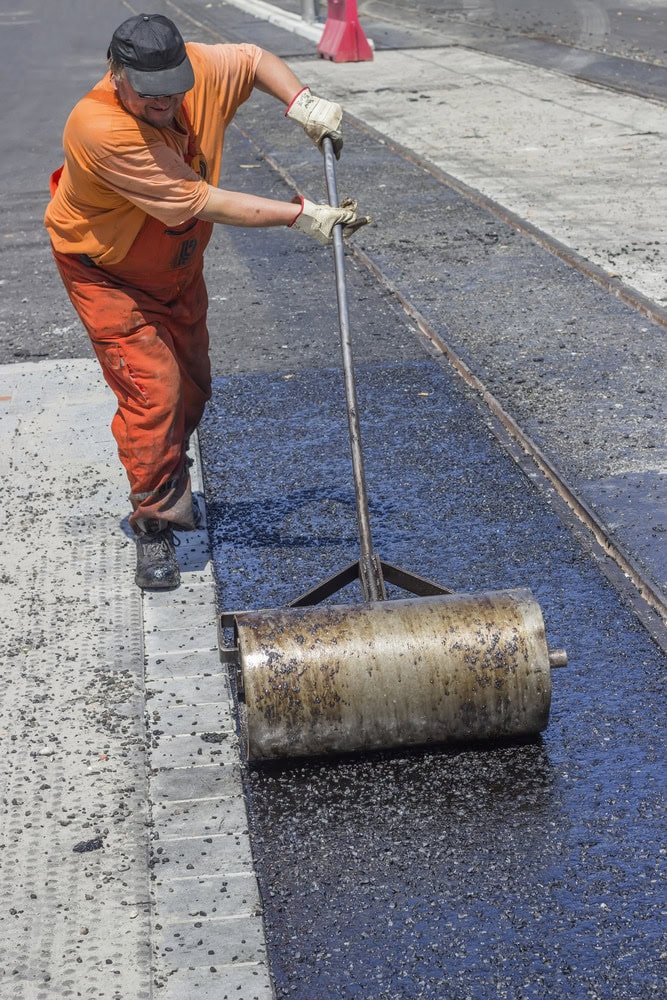
Your driveway stops being a problem. No more cracks spreading across the surface every spring. No more water pooling near your garage. No more avoiding that one spot because you know it’s getting worse.
When asphalt paving is installed correctly, you get years of reliable performance. The surface stays smooth. Water drains where it should. And you’re not calling someone back six months later because it’s already failing.
That’s what proper preparation and quality materials deliver. You’re not just covering dirt with asphalt. You’re building a foundation that handles freeze-thaw cycles, summer heat, and everything your vehicles put on it. It either lasts or it doesn’t, and the difference comes down to how it’s done from the start.
We’ve been serving Wilson County and the Nashville area for over 50 years. TriStar Paving is veteran-owned, which means the same discipline and commitment that matters in service carries into every asphalt paving project.
Based right here in Wilson County, we understand what Fernvale properties face. The soil conditions. The weather patterns. The way Tennessee winters and summers test asphalt differently than other regions. That local knowledge matters when you’re planning a driveway or parking lot that needs to last.
We handle both residential asphalt driveways and commercial parking lots. Whether you’re a homeowner tired of a cracked driveway or a business owner who needs a professional surface for customers, we bring the same focus on quality and durability to every job.

First, you get a consultation. We assess your property, discuss what you need, and provide a clear estimate. No surprises, no vague numbers. You know what you’re getting and what it costs before anything starts.
Next comes preparation. This is where a lot of paving contractors cut corners, and it’s where the long-term performance of your asphalt is won or lost. The area gets properly graded and excavated. Drainage is addressed. The base is compacted correctly. This foundation work determines whether your asphalt driveway lasts five years or twenty.
Then the asphalt goes down. Quality materials, proper compaction, attention to detail. The surface is finished smooth and even. For commercial paving projects, this might include striping and ADA-compliant markings.
After that, you’re done. The surface needs time to cure properly, but once it does, you’ve got asphalt that’s ready to handle daily use without constant maintenance or premature failure.

Ready to get started?
We handle the full scope of asphalt work in Fernvale and Wilson County. For residential clients, that means driveway paving, driveway replacement, or asphalt repair. For commercial clients, it includes parking lot construction, resurfacing, and ongoing maintenance.
We also offer tar and chip installations, which provide a textured, cost-effective alternative to traditional asphalt paving. This option works well for longer driveways or rural properties where the rustic appearance fits the setting.
Every paving project starts with proper site preparation. In Fernvale and Wilson County, soil conditions and drainage patterns vary significantly from property to property. What works on one site might fail on another if you don’t account for local factors. We evaluate each property individually and adjust the approach based on what that specific location requires.
You also get clear communication throughout the asphalt paving process. You’re not left wondering when the crew will show up or what’s happening next. The timeline is established upfront, and you’re kept informed as work progresses. For commercial clients, minimizing disruption matters. For residential clients, knowing what to expect reduces stress.

A properly installed asphalt driveway in Fernvale typically lasts 15 to 20 years, sometimes longer with regular maintenance. The lifespan depends heavily on three factors: installation quality, drainage, and maintenance.
Installation quality is the foundation. If the base isn’t prepared correctly or the asphalt isn’t compacted properly, you’ll see premature cracking and failure regardless of maintenance. That’s why choosing an experienced paving contractor matters more than most people realize.
Drainage is critical in Tennessee. Water is asphalt’s biggest enemy. When water seeps into cracks and goes through freeze-thaw cycles, it breaks down the pavement from underneath. Properties in Fernvale with poor drainage will see shorter asphalt lifespans unless the issue is addressed during installation.
Maintenance extends life significantly. Sealcoating every few years protects the surface from UV damage and water penetration. Filling small cracks before they spread prevents bigger problems. Regular maintenance can add five to ten years to your driveway’s lifespan.
The main differences come down to thickness, base preparation, and load requirements. Commercial paving is built to handle heavier loads and more frequent traffic than residential driveways.
Commercial parking lots typically require a thicker asphalt layer and a more robust base. A residential driveway might use two to three inches of asphalt over a compacted base. A commercial lot handling delivery trucks and constant traffic often needs four inches or more, with a thicker aggregate base underneath.
The preparation process is more intensive for commercial projects. Soil testing, proper grading for drainage across larger areas, and accounting for heavy vehicle loads all require additional planning. Commercial projects also involve striping, ADA-compliant parking spaces, and sometimes special considerations for loading zones or high-traffic areas.
Cost reflects these differences. Commercial asphalt paving costs more per square foot because of the additional materials, labor, and engineering required. But cutting corners on commercial paving leads to faster deterioration and more frequent repairs, which costs more in the long run than doing it right initially.
Asphalt paving costs in Fernvale typically range from three to seven dollars per square foot for residential driveways, depending on site conditions and project complexity. Commercial paving projects vary more widely based on size and requirements.
Several factors affect the final cost. Site preparation is a big variable. If your property needs significant grading, drainage work, or removal of old material, that adds to the total. A flat, well-drained site with easy access costs less than a sloped property with drainage issues and limited equipment access.
Driveway size obviously matters. A standard two-car driveway might run anywhere from two thousand to six thousand dollars depending on length and width. Longer driveways or those requiring extensive base work will be on the higher end.
The cheapest bid isn’t always the best value. A paving contractor who cuts corners on base preparation or uses thinner asphalt might come in lower initially, but you’ll pay more over time in repairs and premature replacement. Quality installation from an experienced asphalt company costs more upfront but lasts significantly longer, making it the better investment.
Asphalt makes more sense for most Fernvale homeowners because it handles Tennessee’s temperature fluctuations better and costs less initially. Concrete has advantages in specific situations, but asphalt is generally the more practical choice.
Asphalt is more flexible than concrete, which matters during freeze-thaw cycles. When temperatures drop and the ground shifts, asphalt flexes without cracking. Concrete is rigid and more prone to cracking under the same conditions. In Tennessee, where winter temperatures fluctuate above and below freezing, that flexibility extends lifespan.
Cost is another factor. Asphalt driveways typically cost 30 to 40 percent less than concrete for the same driveway. If budget is a consideration, asphalt delivers good performance at a lower price point.
Maintenance differs between the two. Asphalt requires sealcoating every few years to maintain appearance and protection. Concrete needs less frequent maintenance but is more expensive to repair when cracks do appear. Asphalt repairs blend in better, while concrete patches are often visible.
Concrete does offer advantages in appearance if you want decorative options or a lighter color. But for durability, cost-effectiveness, and performance in Tennessee conditions, asphalt is usually the better choice for residential driveways.
You can typically drive on new asphalt within 24 to 48 hours after installation, but full curing takes longer. The surface is drivable relatively quickly, but it needs time to reach full strength.
After installation, the asphalt needs to cool and harden. In moderate temperatures, 24 hours is usually sufficient for light vehicle traffic. In hot weather, waiting 48 hours is safer because heat keeps the asphalt softer longer. We’ll give you specific guidance based on weather conditions and the project details.
Full curing takes months, not days. During the first few months, the asphalt continues to harden and strengthen. You can drive on it during this time, but avoid sharp turns while stationary, parking heavy equipment in one spot, or anything that puts concentrated pressure on a small area.
Avoid heavy loads initially. Delivery trucks, dumpsters, or heavy equipment should stay off new asphalt for at least a week, longer if possible. The weight can create indentations or damage before the asphalt fully cures.
Sealcoating should wait. Don’t sealcoat new asphalt immediately. The surface needs six months to a year to cure before sealcoating. Applying it too early traps oils that need to evaporate and can actually shorten your asphalt’s lifespan.
We handle both new asphalt installation and repairs. Sometimes repair makes more sense than replacement, and sometimes it doesn’t. The right answer depends on the extent of damage and the condition of your existing asphalt.
Minor repairs like crack filling or patching small areas can extend your driveway’s life significantly. If the base is still sound and damage is limited to the surface, repairs are cost-effective. Cracks that are caught early can be filled before water gets underneath and causes bigger problems.
Resurfacing is an option when surface damage is widespread but the base remains solid. This involves adding a new layer of asphalt over the existing surface. It costs less than full replacement and can add years of life to a driveway that’s structurally sound but showing its age.
Full replacement becomes necessary when the base has failed or damage is too extensive. If your driveway has large areas of crumbling asphalt, significant settling, or widespread alligator cracking, repairs won’t solve the underlying problem. At that point, replacement delivers better long-term value than patching.
We assess your specific situation and recommend the approach that makes the most sense for your Fernvale property. If repairs will get you several more years at a fraction of replacement cost, that’s the honest recommendation. If the damage is too far gone and repairs would be throwing money away, you’ll hear that too.
Other Services we provide in Fernvale