

Hear from Our Customers
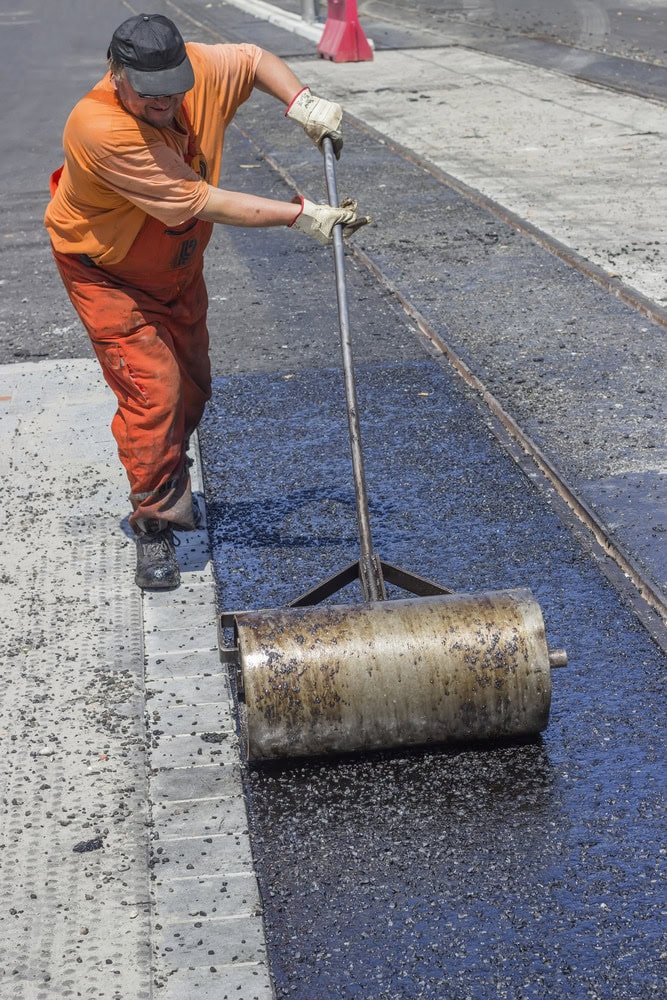
You know what it’s like dealing with cracked, uneven pavement. Every pothole becomes a liability. Every crack lets water seep in and cause more damage.
When you invest in quality asphalt paving, you’re not just fixing a surface problem. You’re eliminating the constant worry about trip hazards, the embarrassment of a deteriorating driveway, and the ongoing costs of patch jobs that never really work.
Professional asphalt installation means smooth surfaces that drain properly, withstand Tennessee’s freeze-thaw cycles, and actually enhance your property value. No more apologizing to customers about your parking lot or warning guests about that rough spot in your driveway.
TriStar Paving brings over 50 years of asphalt expertise to Chestnut Mound and the greater Wilson County area. As a veteran-owned business, we understand the value of doing things right the first time.
We’ve built our reputation on straightforward communication and quality work that lasts. No overselling, no surprise costs, no disappearing after the job is done.
When you’re dealing with Tennessee’s unpredictable weather patterns and the unique soil conditions around Chestnut Mound, local experience matters. We know how to prepare surfaces properly and select materials that perform in Middle Tennessee’s climate.

The process starts with an honest assessment of your current pavement and soil conditions. We evaluate drainage, identify any underlying issues, and provide a clear estimate with no hidden costs.
Preparation is where quality begins. We properly grade the area, address any drainage concerns, and ensure a solid foundation. Poor preparation is why most asphalt jobs fail early, so this step gets the attention it deserves.
Installation uses commercial-grade materials and proper compaction techniques. Our crew works efficiently to minimize disruption to your daily routine while ensuring every detail meets professional standards. You’ll know exactly what to expect and when the project will be complete.

Ready to get started?
We handle everything from residential driveways to large commercial parking lots throughout the Chestnut Mound area. Our services include new asphalt installation, resurfacing existing pavement, pothole repair, and seal coating to extend pavement life.
For homeowners, this means professional driveway installation that enhances curb appeal and provides years of reliable service. We understand how important your home’s appearance is and work to complement your property’s overall look.
Commercial clients get parking lots and access roads built to handle heavy traffic loads. In Wilson County’s business environment, your parking area makes the first impression on customers. We ensure that impression is a professional one that reflects well on your business.

Quality asphalt installation in Tennessee typically lasts 15-20 years with proper maintenance. The key factors are proper base preparation, using appropriate asphalt mix for the climate, and regular seal coating every 3-5 years.
Tennessee’s freeze-thaw cycles can be tough on pavement, but properly installed asphalt with good drainage will handle these conditions well. The initial investment in quality materials and professional installation pays off in longevity and reduced maintenance costs over time.
Asphalt repair works when you have isolated problem areas like potholes or small cracks, typically covering less than 30% of the surface. Patching and crack sealing can extend the life of basically sound pavement.
Complete replacement becomes necessary when the base has failed, when cracking is widespread, or when the surface has multiple layers of previous patches. While replacement costs more upfront, it’s often more economical than ongoing repairs on severely deteriorated pavement.
A professional assessment can determine which approach makes the most sense for your specific situation and budget.
Look for widespread cracking, multiple potholes, or areas where the pavement has sunk or become uneven. If more than 25-30% of your driveway has problems, replacement usually makes more financial sense than extensive patching.
Edge deterioration, where the sides of your driveway are crumbling, often indicates base failure that repair can’t fix. Water pooling in multiple areas suggests drainage issues that require more comprehensive work.
Age is also a factor. If your asphalt is over 20 years old and showing significant wear, replacement will give you decades more service life compared to repairs that might only last a few years.
The process typically takes 2-3 days for most residential driveways, depending on size and complexity. Day one involves removing old pavement (if needed) and preparing the base. You’ll have limited access during this phase.
Day two focuses on grading, compacting the base, and installing the new asphalt. The surface needs 24-48 hours to cure before you can drive on it, though you can walk on it after a few hours.
Weather affects the timeline, as asphalt installation requires dry conditions and temperatures above 50°F. We communicate any delays and ensure you know exactly when you can resume normal use of your driveway.
Residential driveway paving typically ranges from $3-7 per square foot, depending on thickness requirements, base preparation needed, and site accessibility. A standard two-car driveway usually costs $2,500-6,000 for complete replacement.
Commercial parking lots generally cost $2-5 per square foot, with larger projects often having lower per-square-foot costs. Factors affecting price include current pavement condition, drainage requirements, and any special features like handicap accessibility.
The most accurate way to determine cost is through an on-site evaluation. We provide detailed written estimates that break down materials, labor, and any additional work needed.
Late spring through early fall offers the best conditions for asphalt paving in Tennessee. The ideal temperature range is 70-85°F with low humidity and no rain in the forecast for at least 24 hours.
Summer can be challenging due to extreme heat, which makes the asphalt harder to work with and can affect the final surface quality. Winter paving is generally not recommended, as cold temperatures prevent proper curing.
Spring and fall are often preferred by both contractors and customers. The moderate temperatures allow for optimal installation conditions, and you’ll have the full season ahead to enjoy your new pavement before winter weather arrives.