

Hear from Our Customers
Your driveway stops being something you worry about. No more cracks spreading across the surface every winter. No more standing water that turns into ice patches. No more explaining to guests why your driveway looks the way it does in a neighborhood like Belle Meade.
When asphalt paving is done right, you get a smooth, clean surface that handles Tennessee weather without falling apart in three years. You get proper drainage that moves water away from your foundation instead of pooling in low spots. You get a driveway that actually lasts the 20 to 30 years it’s supposed to, not one that needs patching every other season.
The difference shows up in your daily life. You pull in and out without dodging potholes. Your property looks the way it should. And when it’s time to sell, your driveway adds value instead of becoming a negotiating point. That’s what happens when the work is done with the right materials, the right process, and 50+ years of experience behind it.
TriStar Paving LLC is a veteran-owned asphalt company based in Wilson County, serving Belle Meade and the greater Nashville area. With over 50 years of combined experience, we handle both residential driveways and commercial parking lots with the same attention to detail and commitment to quality.
Being local matters. We understand how Belle Meade’s rolling terrain affects drainage. We know what Tennessee winters do to asphalt that wasn’t installed properly. And we’ve been around long enough to see which shortcuts fail and which methods actually hold up over decades.
Our work covers everything from new driveway installations to parking lot construction, asphalt paving, and tar & chip applications. Whether you’re a homeowner looking to replace a deteriorating driveway or a business owner needing reliable commercial paving, we approach every project with the same goal: delivering results that last and customers who don’t have to think about their pavement again for years.

It starts with the foundation, not the asphalt. We evaluate the existing surface for drainage issues, base stability, and any underlying problems that would cause new asphalt to fail prematurely. If there’s old pavement, we remove it properly. If the base needs work, we address that first.
Next comes the base layer, typically 8 to 10 inches of compacted gravel. This isn’t optional. It’s what prevents your driveway from shifting, cracking, and developing those low spots that collect water. Proper compaction at this stage determines whether your asphalt lasts 5 years or 25 years.
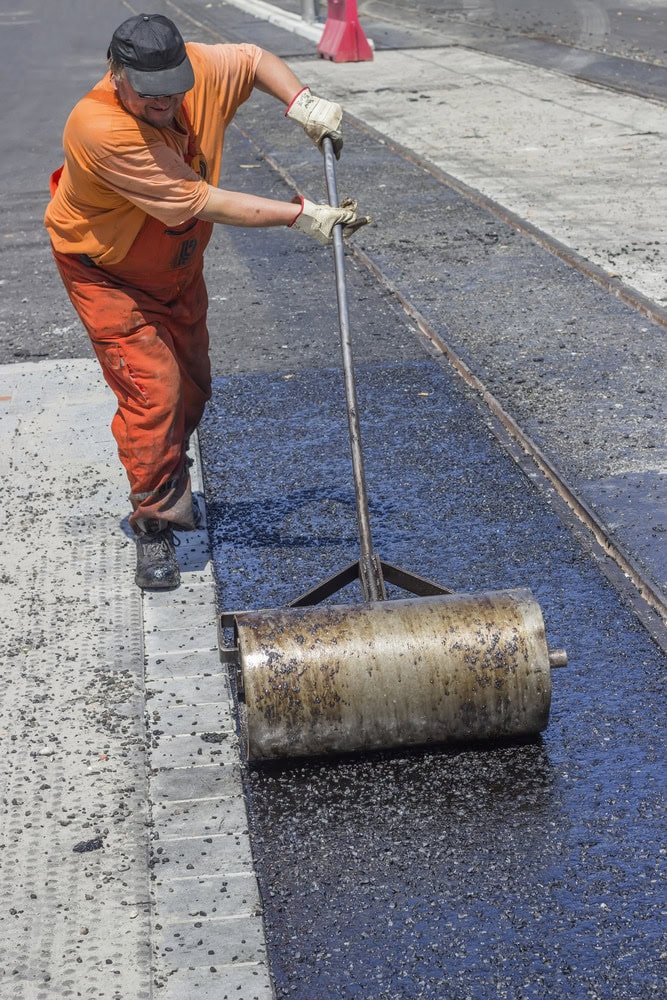
Then the asphalt goes down in layers. The base coat provides structure. The top coat provides the smooth, finished surface. Everything gets compacted while it’s still hot to eliminate air pockets and ensure proper density. Edges get finished cleanly. Drainage gets directed away from structures.
After installation, the asphalt needs time to cure fully, usually 24 to 48 hours before light use and several days before heavy vehicles. Proper curing prevents premature surface damage. From there, sealcoating every few years protects the surface and extends the life of your investment. The whole process typically takes a few days depending on size, but the result is a driveway built to handle decades of use.

Ready to get started?
Professional asphalt paving in Belle Meade means more than just laying down blacktop. It includes site evaluation to identify drainage issues specific to your property’s terrain. Belle Meade’s rolling hills and established landscapes require careful grading to prevent water from pooling or running toward foundations.
The service covers complete base preparation, which is critical in areas with Tennessee’s clay soils and seasonal freeze-thaw cycles. Without proper base work, even the best asphalt will crack and settle within a few years. Quality contractors include proper compaction, adequate base depth, and geotextile fabric when needed to prevent base migration.
For residential driveways in Belle Meade, the work typically includes removal of old pavement if present, installation of a compacted gravel base, two layers of asphalt (base and top coat), and proper edge finishing that complements your property’s aesthetic. For commercial projects like parking lots, the scope expands to include striping, ADA-compliant markings, and often more robust base requirements to handle heavier vehicle loads.
Maintenance services like sealcoating protect your investment from UV damage, water infiltration, and oxidation that causes that gray, weathered appearance. Regular maintenance extends pavement life significantly. In Belle Meade’s climate, where summer heat and occasional winter freezes stress asphalt surfaces, proper ongoing care makes the difference between a driveway that lasts 15 years versus one that lasts 30 years or more.

With proper installation and regular maintenance, an asphalt driveway in Belle Meade should last 20 to 30 years, sometimes longer. The lifespan depends heavily on three factors: the quality of the base preparation, the thickness and quality of the asphalt layers, and how well you maintain it over time.
Tennessee’s climate creates specific challenges. Summer heat softens asphalt, making it vulnerable to damage from heavy vehicles or sharp turns. Winter freeze-thaw cycles cause water that’s infiltrated cracks to expand and contract, accelerating deterioration. Belle Meade’s terrain also means proper drainage is critical since water is asphalt’s biggest enemy.
The best way to maximize your driveway’s lifespan is sealcoating every three to five years. This protective layer prevents water infiltration, blocks UV damage, and keeps the surface flexible. Addressing small cracks promptly before they spread also prevents minor issues from becoming major repairs. A driveway that’s well-maintained from the start will outlast one that’s neglected by a decade or more.
The main differences come down to thickness, base requirements, and design considerations. Commercial paving needs to handle heavier loads from delivery trucks, customer traffic, and constant use. Residential driveways typically support lighter vehicles and less frequent traffic.
For commercial parking lots, the asphalt is usually thicker, often four to six inches compared to two to three inches for residential driveways. The base layer is also more robust, sometimes 10 to 12 inches of compacted aggregate instead of the standard 8 inches. This extra structure prevents rutting and premature failure under heavy vehicle weight.
Commercial projects also include elements residential work doesn’t need: striping for parking spaces, ADA-compliant accessibility markings, traffic flow design, and often catch basins or more complex drainage systems. The installation process is similar, but the engineering and materials are scaled up to match the demands. Both require proper base preparation and quality materials, but commercial work operates at a higher standard because the consequences of failure are more costly and disruptive to business operations.
For residential driveways in the Nashville area, expect to pay between $7 and $13 per square foot for a complete new installation, including removal of old pavement if needed. A standard two-car driveway of about 600 square feet typically runs $4,200 to $7,800 depending on site conditions and complexity.
Several factors affect the final price. If your property has drainage issues, grading problems, or difficult access, costs increase. The thickness of asphalt you choose matters—thicker is more expensive upfront but lasts longer. Whether you need the old surface removed and hauled away also impacts cost. Properties with steep slopes or limited equipment access require more labor and time.
Commercial paving costs more per square foot because of the heavier-duty requirements, but you’re also getting a more robust product. The best approach is getting a detailed estimate based on your specific property. Reputable contractors will evaluate your site, discuss your needs, and provide a clear breakdown of what’s included. Cheaper isn’t always better in asphalt work. Poor installation costs more in the long run when you’re repaving five years earlier than you should have to.
Late spring through early fall is ideal for asphalt paving in Tennessee, typically May through October. Asphalt needs warm temperatures to be installed properly. The material is applied hot and needs to stay pliable during compaction to achieve proper density and a smooth finish.
Cold weather creates problems. When temperatures drop below 50 degrees Fahrenheit, asphalt cools too quickly during installation, making it difficult to compact properly. This leads to a less durable surface that’s more prone to cracking and premature wear. Winter paving is possible for emergency repairs, but it’s not ideal for new installations or large projects.
Summer heat works well for installation, though extremely hot days above 95 degrees can sometimes make the asphalt too soft immediately after installation. Spring and fall offer the sweet spot—consistent warm temperatures without extreme heat. That said, experienced contractors can work successfully throughout the warm season by adjusting their process for temperature conditions. If you’re planning a project, booking in early spring for late spring or summer installation gives you the best selection of dates and ensures the work happens during optimal weather.
Yes, regular maintenance is what separates driveways that last 15 years from ones that last 30 years or more. The most important maintenance task is sealcoating every three to five years. Sealcoating applies a protective layer that blocks UV rays, prevents water infiltration, and keeps the asphalt flexible. It’s the equivalent of painting a wood deck—it protects the underlying material from the elements.
Beyond sealcoating, you should address cracks as soon as they appear. Small cracks let water seep into the base layer, where freeze-thaw cycles cause expansion that makes cracks bigger. Filling cracks when they’re still minor is inexpensive and prevents major damage. You should also keep the surface clean of debris and avoid using harsh chemicals like de-icing salts, which can damage asphalt.
For areas with heavy use or drainage issues, periodic inspections help catch problems early. Look for standing water, which indicates drainage issues that need addressing. Watch for edge deterioration, especially where grass meets pavement. Proper maintenance isn’t complicated or expensive, but skipping it means you’ll be replacing your driveway years earlier than necessary. Most homeowners spend a few hundred dollars every few years on maintenance to protect a several-thousand-dollar investment.
The answer almost always comes down to base preparation and drainage. The asphalt you see on the surface is only part of the system. What’s underneath determines whether that asphalt lasts or fails. If the base isn’t properly compacted, it shifts and settles, causing the asphalt above to crack. If drainage isn’t addressed, water infiltrates the base, weakens it, and causes premature failure.
Many contractors cut corners on base work because it’s invisible once the asphalt goes down. They’ll skimp on base depth, use poor-quality aggregate, or skip proper compaction. The driveway looks fine initially, but within a few years, cracks appear and spread. By year five, you’re looking at major repairs or replacement. Proper base work costs more upfront but it’s the difference between a driveway that lasts and one that doesn’t.
The quality of materials also matters. Cheap asphalt mix with inadequate binder content won’t hold up to weather and traffic. Proper installation technique—applying asphalt at the right temperature, compacting it correctly, and allowing adequate curing time—also affects longevity. This is why experience matters. Contractors who’ve been doing this for decades know which steps can’t be skipped and which methods actually work long-term. When you hire based solely on the lowest price, you’re usually hiring someone who’s cutting corners somewhere, and those shortcuts show up in a few years when your driveway starts falling apart.
Other Services we provide in Belle Meade