

Hear from Our Customers
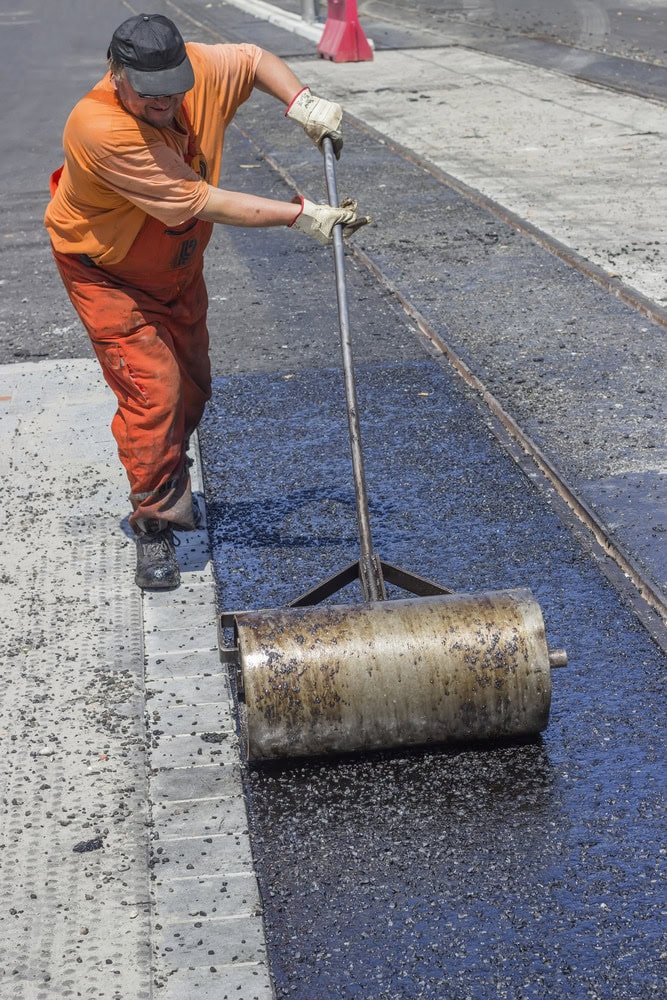
You’re not looking for the cheapest asphalt—you’re looking for asphalt that won’t crack in two years. That’s what happens when a paving contractor actually prepares the site correctly.
Proper grading means water runs off instead of pooling. A solid base means your driveway or parking lot can handle Tennessee’s freeze-thaw cycles without turning into a patchwork of repairs. You get a smooth surface that looks clean, drives easy, and holds up season after season.
When the work’s done, you’re not wondering if it’ll last. You know it will. That’s the difference between a quick pour and a job built to perform for 20 or 30 years with basic maintenance.
We’ve been handling asphalt paving in Beckwith and across Wilson County for over five decades. Tristar Paving LLC is veteran-owned, which means the values that built us—reliability, accountability, doing what we say we’ll do—aren’t just talking points.
Beckwith sits in the heart of Middle Tennessee’s growth corridor. Properties here deal with hot summers, cold snaps, and everything in between. Asphalt needs to flex with those temperature swings, not fight them. That’s why proper material selection and installation technique matter more than most people realize.
We’re not a crew that shows up, pours, and disappears. We’re local, experienced, and focused on results that hold up long after the equipment leaves your property.

It starts with an assessment. We come out, look at your property, talk through what you need, and give you a straightforward estimate. No pressure, no upselling services you don’t need.
Once you’re ready to move forward, our crew preps the site. That means excavation if needed, grading for proper drainage, and laying a compacted base that won’t shift or settle. This step determines whether your asphalt lasts five years or thirty.
Then comes the asphalt itself—laid hot, compacted smooth, and finished to spec. For commercial paving projects, striping and marking happen after the surface cures. For residential driveways, you get a clean edge and clear instructions on when it’s safe to drive on.
The whole process is designed to minimize disruption. Most residential jobs wrap in a day or two. Commercial projects depend on size, but the timeline gets mapped out upfront so you’re not left guessing.

Ready to get started?
When you hire us as your asphalt company in Beckwith, TN, you’re getting more than just a layer of blacktop. The service includes site evaluation, material sourcing, proper base preparation, asphalt installation, compaction, and finishing work.
For residential paving, that means a driveway designed to handle daily use without premature wear. Proper slope prevents water from sitting. Clean edges keep grass and weeds from creeping in. The result is a surface that improves your home’s curb appeal and functions exactly like it should.
Commercial clients get the same attention to detail, scaled up. Parking lots need to support heavier loads, more frequent traffic, and ADA-compliant striping. Drainage becomes even more critical when you’re covering larger areas. We handle these projects with the same focus on longevity and performance.
Beckwith properties benefit from working with a local contractor who understands Wilson County’s soil conditions, weather patterns, and municipal requirements. That local knowledge translates into fewer surprises and better long-term results.

With proper installation and basic maintenance, asphalt driveways in Beckwith typically last 20 to 30 years. The lifespan depends heavily on how well the base was prepared and whether the surface gets sealcoated every few years.
Tennessee’s climate puts stress on asphalt through freeze-thaw cycles and summer heat. Asphalt is flexible enough to handle that movement, but only if it’s installed correctly from the start. Shortcuts during installation—thin base layers, poor compaction, inadequate drainage—cut that lifespan in half.
Regular sealcoating every two to three years protects the surface from UV damage, water infiltration, and chemical wear. Small cracks should be filled promptly before they spread. Those simple steps can add a decade or more to your pavement’s life, making asphalt one of the most cost-effective paving options available.
Asphalt paving uses hot-mix asphalt that’s laid smooth and compacted into a uniform surface. Tar and chip paving applies liquid asphalt and then embeds stone chips into it, creating a textured finish. Both are durable, but they look and perform differently.
Asphalt gives you a smooth, dark surface that’s ideal for driveways where you want a clean, modern look. It’s easier to shovel in winter and provides better traction for vehicles. Tar and chip offers a rustic appearance with more texture, which some homeowners prefer for country properties or longer rural driveways.
Cost-wise, tar and chip is usually less expensive upfront and can be a smart choice for larger areas where a smooth finish isn’t critical. Asphalt requires more equipment and precision during installation, but it delivers that sleek, professional look most residential and commercial properties want. The right choice depends on your property, budget, and aesthetic preferences.
You can typically drive on new asphalt within 24 to 48 hours after installation, but the surface continues curing for several weeks. During that curing period, you’ll want to avoid heavy loads, sharp turns, and parking in the same spot repeatedly.
Asphalt is installed hot and begins hardening as it cools. Within a day or two, it’s solid enough for normal vehicle traffic. But it takes about 30 days for the asphalt to fully cure and reach maximum strength. During those first few weeks, the surface is more susceptible to scuffing or indentation from heavy weight.
For the first month, avoid parking large trucks or trailers on new asphalt. Don’t turn your steering wheel while the vehicle is stationary—that can leave marks. And be cautious with kickstands from motorcycles or sharp objects that might dent the surface. After the full cure period, your asphalt will be tough enough to handle whatever you throw at it.
Asphalt cracks for a few main reasons: poor base preparation, water infiltration, heavy loads, and natural aging. Tennessee’s temperature swings accelerate the process if the asphalt wasn’t installed with proper flexibility in mind. Prevention starts with doing the job right the first time.
Water is asphalt’s biggest enemy. When water seeps into small cracks, it weakens the base material underneath. In winter, that water freezes and expands, making cracks wider. Proper drainage during installation and regular sealcoating are your best defense against water damage.
You can’t stop asphalt from aging, but you can slow it down significantly. Sealcoating every two to three years fills surface voids and blocks UV rays that dry out the asphalt binder. Filling small cracks as soon as they appear prevents them from spreading. Avoid parking heavy equipment in the same spot for extended periods. These simple maintenance steps can double the lifespan of your asphalt and keep repair costs minimal.
Look for local experience, proper licensing, and a track record you can verify. Out-of-town crews who offer rock-bottom prices often cut corners on base preparation or use subpar materials. When something goes wrong six months later, they’re nowhere to be found.
A reputable asphalt company will assess your property, explain the process, and provide a detailed estimate that breaks down what’s included. We talk about site prep, drainage, base depth, and asphalt thickness—not just give you a square-foot price. If a contractor is rushing you or pressuring you to sign immediately, that’s a red flag.
Ask how long they’ve been serving your area and whether they handle both the excavation and paving in-house. Check if they’re insured and whether they stand behind their work. A company that’s been operating locally for decades has reputation and relationships to protect. That accountability matters when you’re making an investment that needs to last 20 or 30 years.
For Tennessee’s climate, asphalt typically performs better than concrete because it’s more flexible. Temperature swings cause materials to expand and contract, and asphalt handles that movement without cracking as easily as concrete does.
Concrete is rigid and strong, but that rigidity becomes a weakness when temperatures drop below freezing. Concrete can crack if it’s not installed with proper control joints, and those cracks are expensive to repair. Asphalt flexes with temperature changes, making it more forgiving in climates with hot summers and cold winters.
Asphalt also costs less upfront, installs faster, and is easier to repair when damage does occur. Its dark color helps melt snow and ice quicker in winter, which is a practical advantage. Concrete offers a lighter color and different aesthetic, which some homeowners prefer, but for pure performance and value in Middle Tennessee, asphalt is hard to beat.
Other Services we provide in Beckwith